

Two supply risks are shaping the poultry market, one in Spain and one in Brazil.
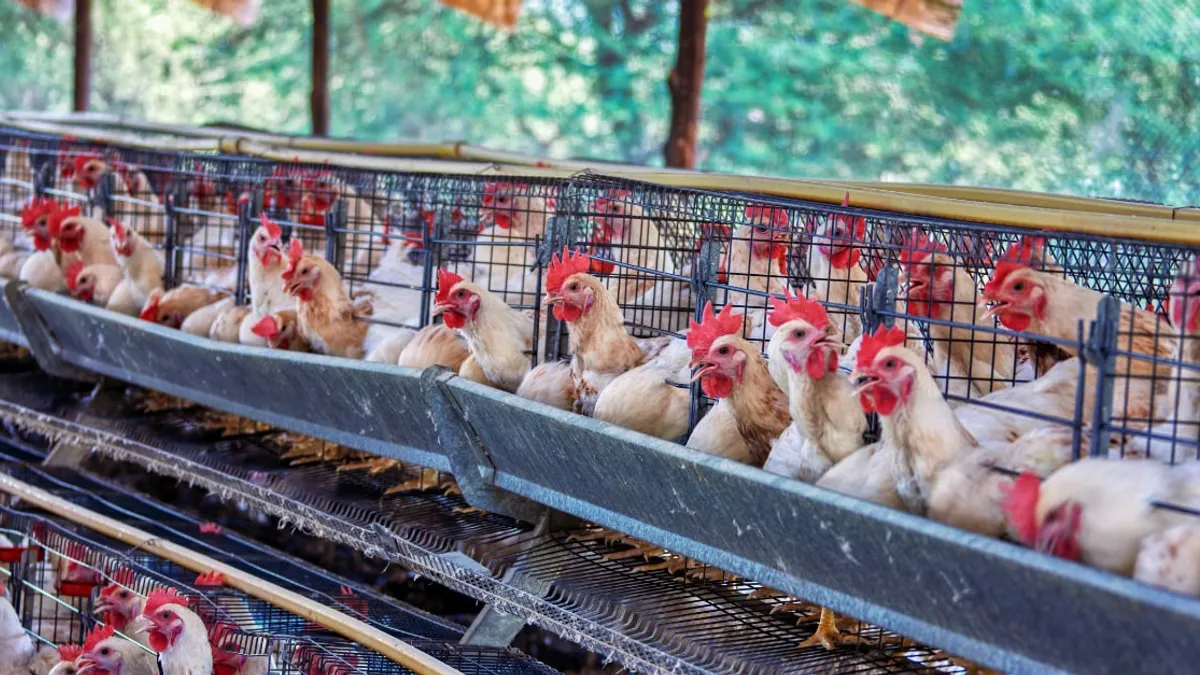
In Spain, Newcastle disease has escalated sharply over the past two weeks. Cumulative outbreaks for the second half of 2026 now stand at 14, with more than 808,000 birds culled, up from 5 outbreaks and around 303,000 birds a fortnight earlier. Nine new cases were confirmed in a two-week span, while every other monitored European country reported none. The acceleration keeps alive the risk of renewed Chinese import restrictions on Spanish poultry, echoing Beijing’s past use of disease findings to justify country-level bans. Spanish ex-slaughterhouse broiler prices eased on the week.
In Brazil, producers, processors and the federal government are at odds over antimicrobial growth promoters, after the EU removed Brazil from its list of countries authorised to export poultry, effective early September. The EU takes a modest 4.3% of Brazilian poultry exports, but it matters as a benchmark for high-value markets. Brazil argues the additives are not used in product bound for Europe, but there is no EU-recognised way to prove it. Industry groups are pushing for a full ban on the remaining promoters; at least 14 producer organisations have signed a manifesto against one.
Europe’s own markets are diverging. Dutch and Belgian prices posted a second weekly rise as bird growth rebounded quickly after the heatwave, with slaughter weights back above 3 kg. French and UK slaughter data still show the output drag from that same heat, French May broiler volume slipped about 2% year-on-year. Polish prices kept climbing on an unusually quiet stretch for bird flu.
Vesper’s near-term bias is bearish to flat into August, but the medium-term read on European chicken is firmer: if the Brazilian ban takes effect, tighter EU supply could support local prices. The two opposing forces are laid out in full on the platform.