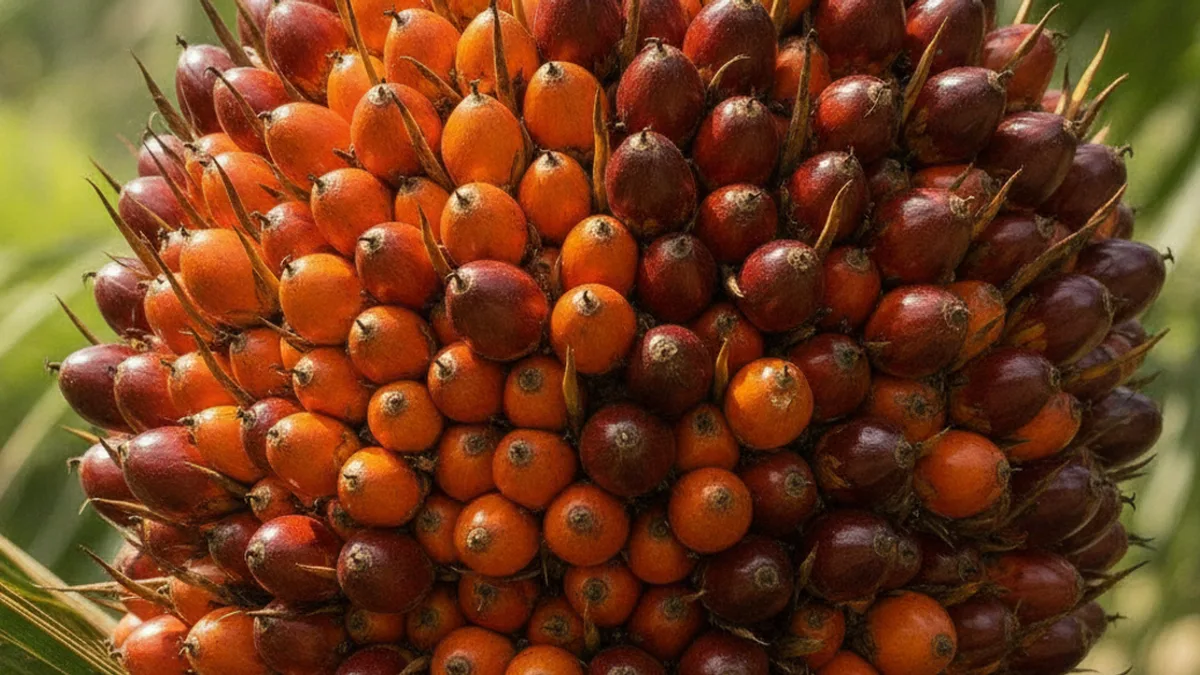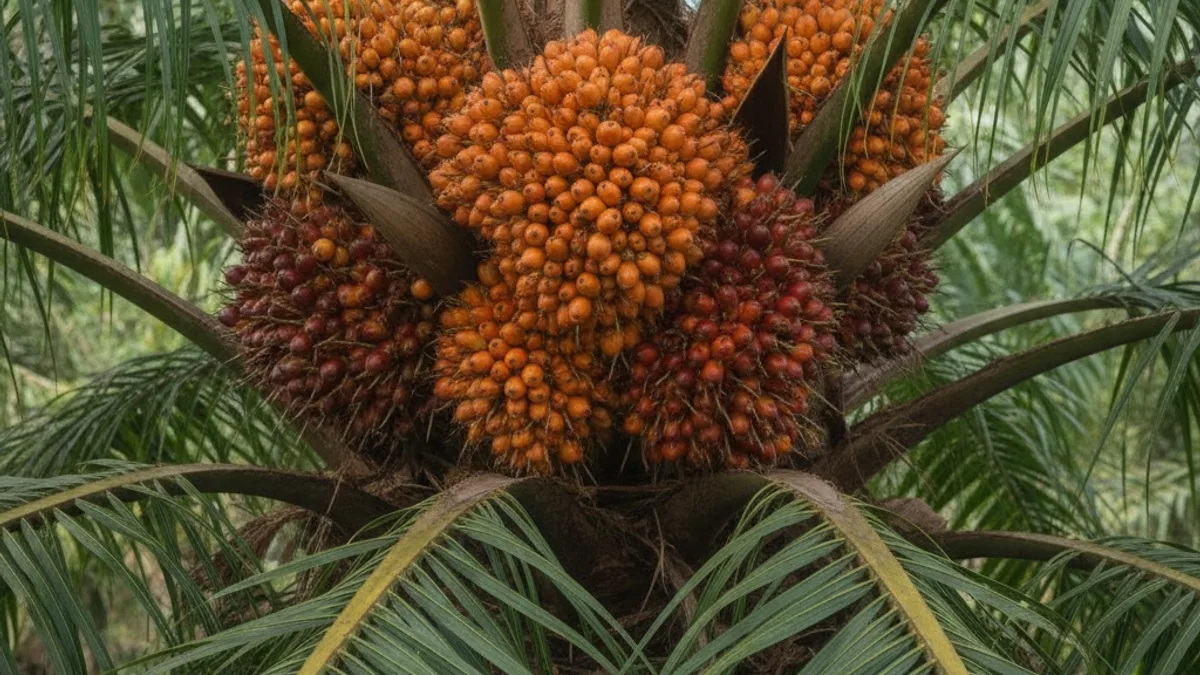


Palm oil led another weak week for vegetable oils. The November BMD crude palm oil contract fell MYR 223 to MYR 4,556/mt, about 4.7%, while the April contract lost only MYR 44/mt. The market is pricing in a looser Malaysian balance for September. MPOA reported production up almost 19% for September 1 to 20, surveyors put exports for September 1 to 25 down 15%, and Malaysian stocks are expected to climb above 3.1 mmt by the end of the month.
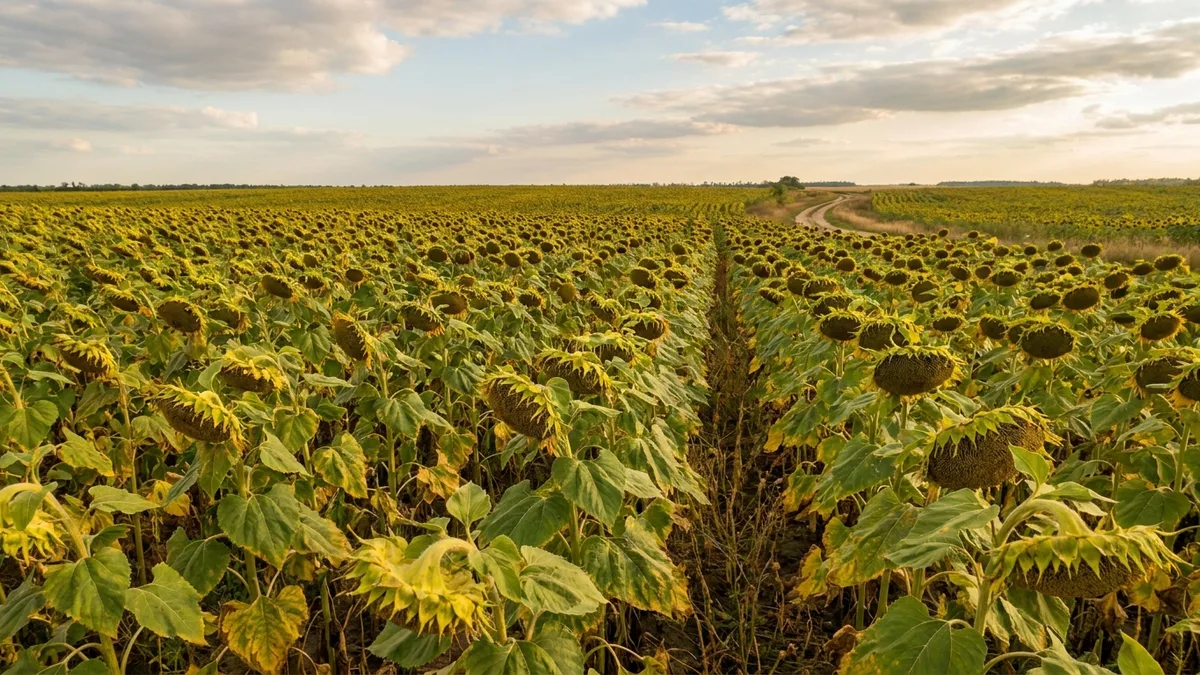
The rest of the complex followed. CBOT soybean oil slipped to 67.11 US cents/lb from 68.32, and November soybeans dropped 3% to 1,288 cents/bu as the US harvest gets underway. The Trump-Xi meeting brought no support for soy: China left soybeans off its tariff-cut list, so an additional 10% tariff remains, and announced no new purchase commitments. MATIF rapeseed fell 3.4% to EUR 537/mt, following soy, while crude sunflower oil dropped 3.9% on the ongoing harvest and on hopes that Black Sea logistics will be restored, even though the situation on the ground does not look positive.
Indonesia adds a policy question
Indonesian palm oil shipments for September 1 to 20 were 27.5% below the same stretch of August, and Indonesian policy remains a major uncertainty. On 22 September the country passed an agrarian reform law covering land ownership concentration and redistribution. According to public reporting on the bill, holders of plantation permits must make at least 20% of the relevant land available for redistribution, an obligation that may be replaced by an equivalent 20% profit share. Limits on land ownership are still to be determined, and further clarity on how the provision is scoped and applied will be important in assessing its impact on existing plantation operators.
Where Vesper expects palm to turn
Vesper’s analysts expect palm prices to stop falling soon, since they are already at a three-month low. Some further decline is possible in October, but they expect a reversal in November and December on anticipated poor production and B50 demand in Indonesia, and industry sources are factoring in a 2 to 3 mmt cut to global palm oil production in 2027. India has also lowered its import duties on vegetable oils, which should support buying. For soybean oil, the view is bearish for the first part of Q4 with a recovery toward the end of the year, and it remains to be seen what funds do with their large long positions after the meeting disappointed soy bulls.
The full analysis carries quarter-by-quarter outlooks for palm, soy, rapeseed and sunflower oil, plus coconut oil, palm kernel oil and olive oil.