

Two forces pulled in opposite directions across vegetable oil markets last week, and the bearish one won. Black Sea shipping for sunflower oil, rapeseed, and wheat has all but stopped: damage to grain terminals and attacks on ships have made shipowners reluctant to call at Russian and Ukrainian ports, and large trading groups are halting operations with no diplomatic resolution in sight. That would normally be a clear bullish signal. Instead, Brent crude fell roughly 5% to below $84 a barrel on Monday after Donald Trump called off a planned strike on Iran and floated fresh talks with Tehran, and that drop rippled through biofuel-linked oils hard enough to offset the logistics story almost everywhere.
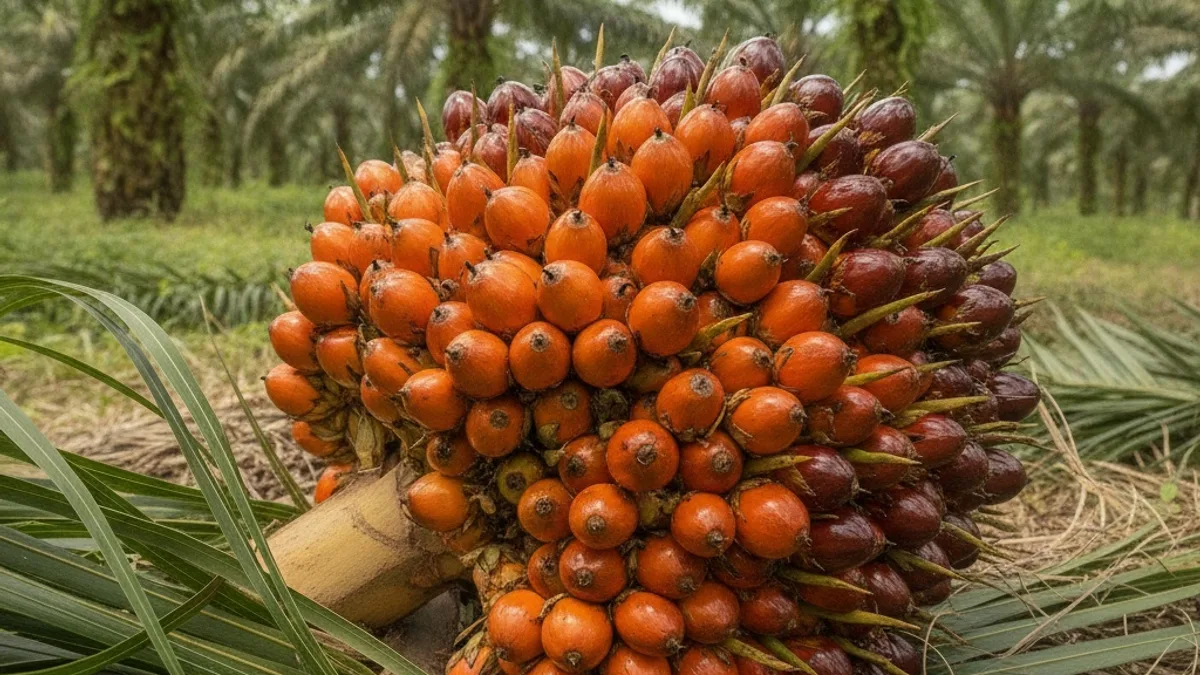
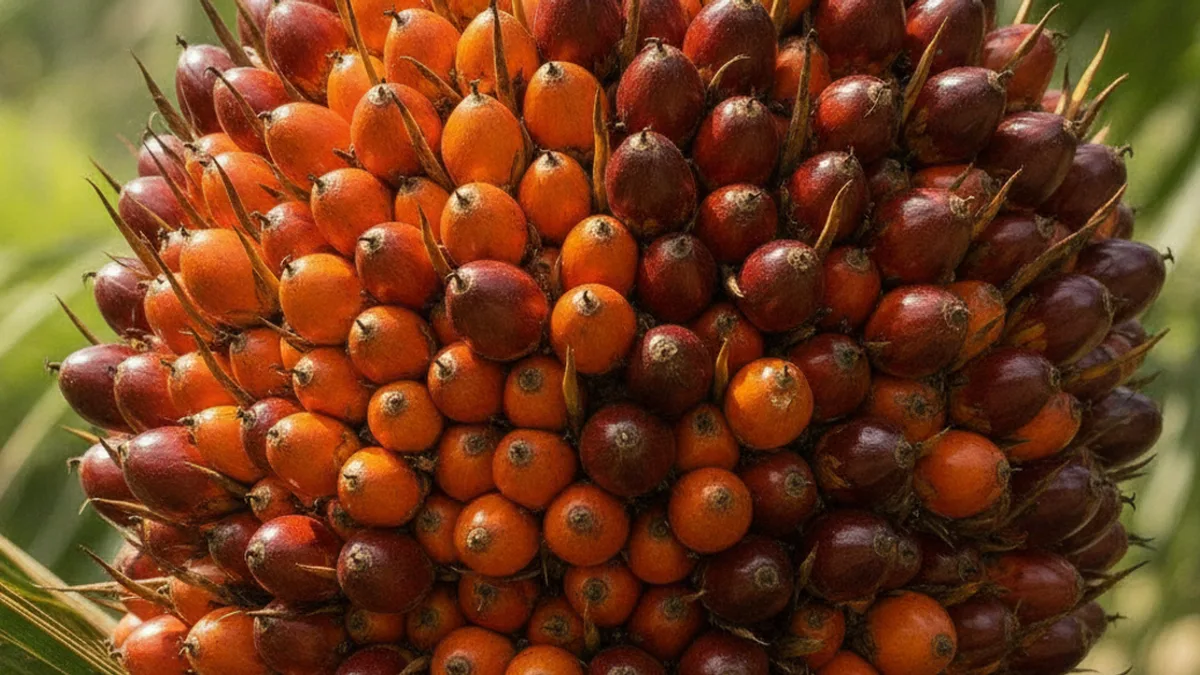
Palm oil futures on Bursa Malaysia eased to $1,097/mt from $1,114/mt, pressured by both the weaker energy complex and rival oils. Malaysian shipments rose 19.5% in July according to one surveyor, and Indonesia raised its 2026 biodiesel allocation to 16.75 million kilolitres from an initial 15.65 million, with B50 sales still set to begin in October. None of that was enough to offset expectations of stronger July production. Soybean oil followed Brent lower on CBOT, even as China reportedly bought around a million tonnes of US soybeans to take advantage of the dip, ahead of Xi Jinping’s expected visit to Washington next month. Markets are still waiting on Beijing’s tariff decision before reading too much into that purchase.
Rapeseed oil told the clearest logistics story of the group. MATIF futures slipped alongside the wider complex, but the real disruption is physical: Ukrainian rapeseed is struggling to reach the EU in volume, with some cargoes reportedly being crushed domestically instead, while low water levels on the Rhine and Danube are separately choking barge shipments and pushing up freight costs. One German crusher said barge freight has already doubled, forcing some buyers onto trucks instead. Sunflower oil was the outlier, edging higher despite Brent, a sign of just how tight the Black Sea supply picture has become. Bloomberg reported shipping delays of up to 60 days from the region’s largest exporters, prompting Indian buyers to look to Argentina, palm oil, and soybean oil instead, while Russian consultancy Sovecon expects Russian sunflower oil exports to fall 14% in July and 40% in August.
Coconut oil and palm kernel oil both fell by roughly 4 to 5%, dragged down with palm and the wider soft-oil complex, while stronger Malaysian palm oil production implies more palm kernel oil supply too. Olive oil held up best of the group, easing only slightly as Spanish sellers resist further cuts: outflows are running well above seasonal norms, and Spain’s carryover stock heading into the 2026/27 harvest is now projected to fall more than 10% from last season.
The tug-of-war between geopolitical supply risk and a softer energy complex isn’t resolving cleanly in either direction, and Vesper’s own outlook across the group leans cautious short-term even where the fundamentals look tight.