

Hot weather has thinned the US dairy liquids market, and the price board is reacting to it. The question Vesper’s latest US weekly puts to buyers is whether that tightness is a change in the market or a yield wobble that fades with the temperature.
NFDM rose again this week. Heat cuts milk availability while demand for fresh products climbs, condensed skim trades higher, and the flow of skimmed milk toward drying towers closes quickly. This week’s GDT event confirmed that global milk powder demand is holding up, which adds to the case for a firmer Q3. Q4 looks different: cooler weather restores availability in the US and Europe just as New Zealand hits peak season, so the shortage may be a short-term problem.
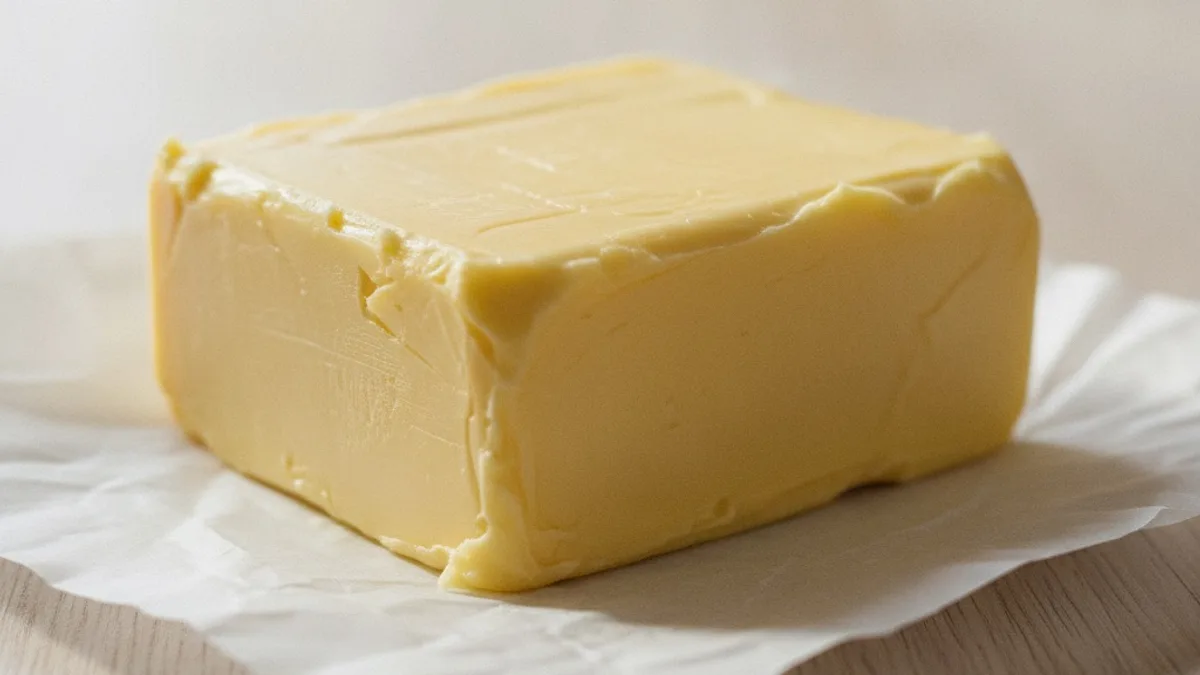
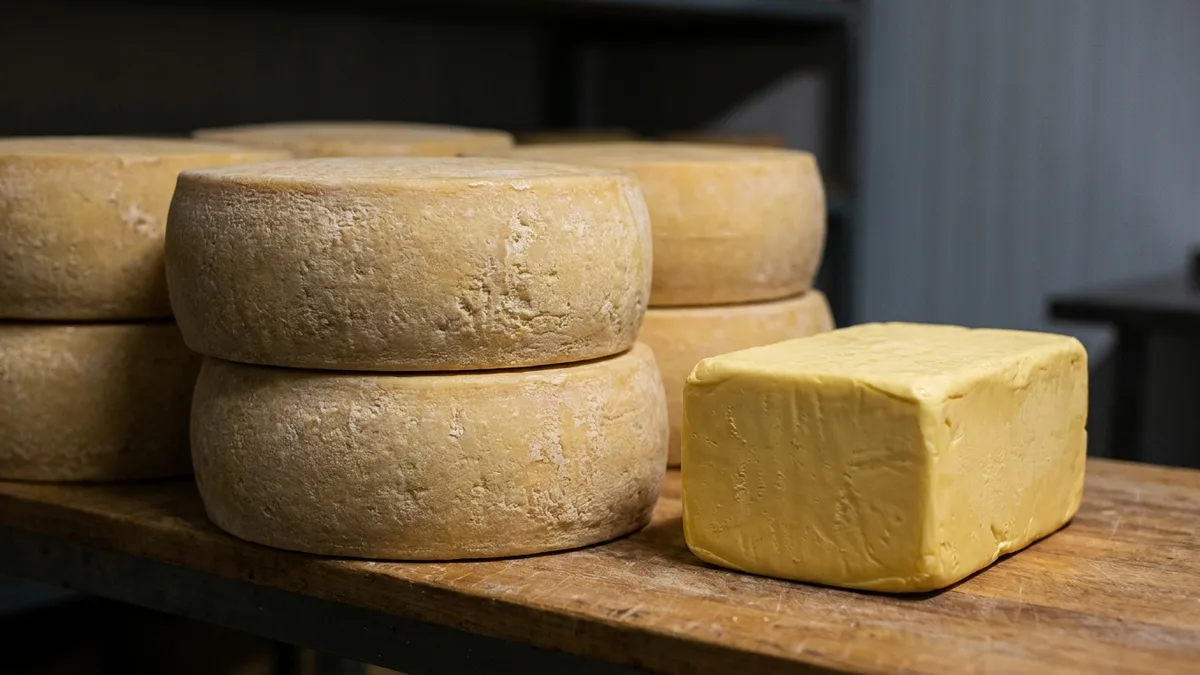
Elsewhere on the board, butter is weaker and now trades below both cheese and NFDM. Global supply is large enough that lowering the price is the only way to keep volume moving, and with Europe and New Zealand also in surplus it is a hard market to compete in. Cheese has stayed volatile on the CME Call and gained slightly on FX moves and firmer global cheese markets. Whey has barely moved.
The margin behind the herd
The fundamentals underneath are the more interesting part. Vesper’s own feed cost calculation climbed about 13% from January to May, then eased about 5% in June, while the all-milk price rose from $17.50/cwt in January to $21.10/cwt in June. The gap between the two is the feed-to-milk margin, and it widened through spring to more than double the mid-2023 level that pushed farmers to cut cows.
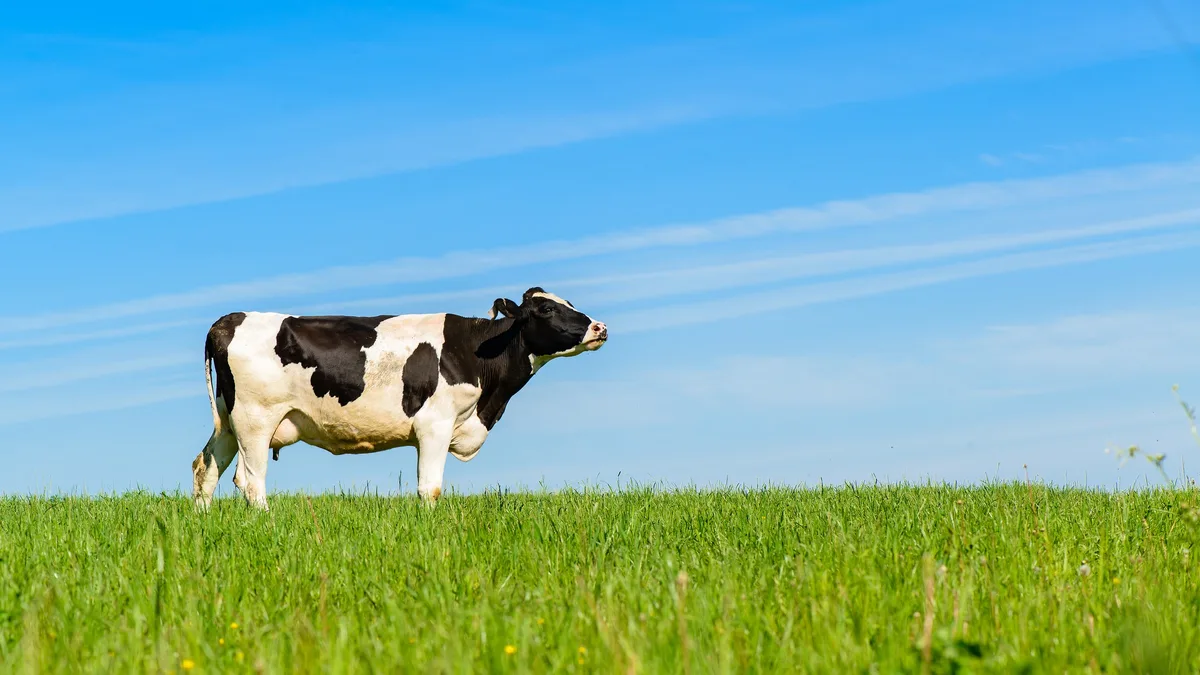
Farmers have responded the way that margin suggests. The US milking herd reached 9.68 million cows in June, 192,000 more than a year earlier, and has been growing since mid-2024, with producers holding on to cows despite beef prices that make selling them tempting. Output hit 19.7 billion pounds in June, up 2.3%. Yield per cow is nearly flat at plus 0.3%, so the growth is coming from herd size rather than from each cow. Milk fat production has grown year over year for more than five years running, so that fat supply is expanding faster than the headline milk figure suggests.
For WPC80 buyers, the weekly frames Q4 as a risk question rather than a price forecast. Vesper leans toward locking in at least part of Q4 volume today.
The full edition covers the milk margin charts and the Q4 protein call in detail.
For real-time dairy prices and dairy price forecasts, visit: https://app.vespertool.com/.