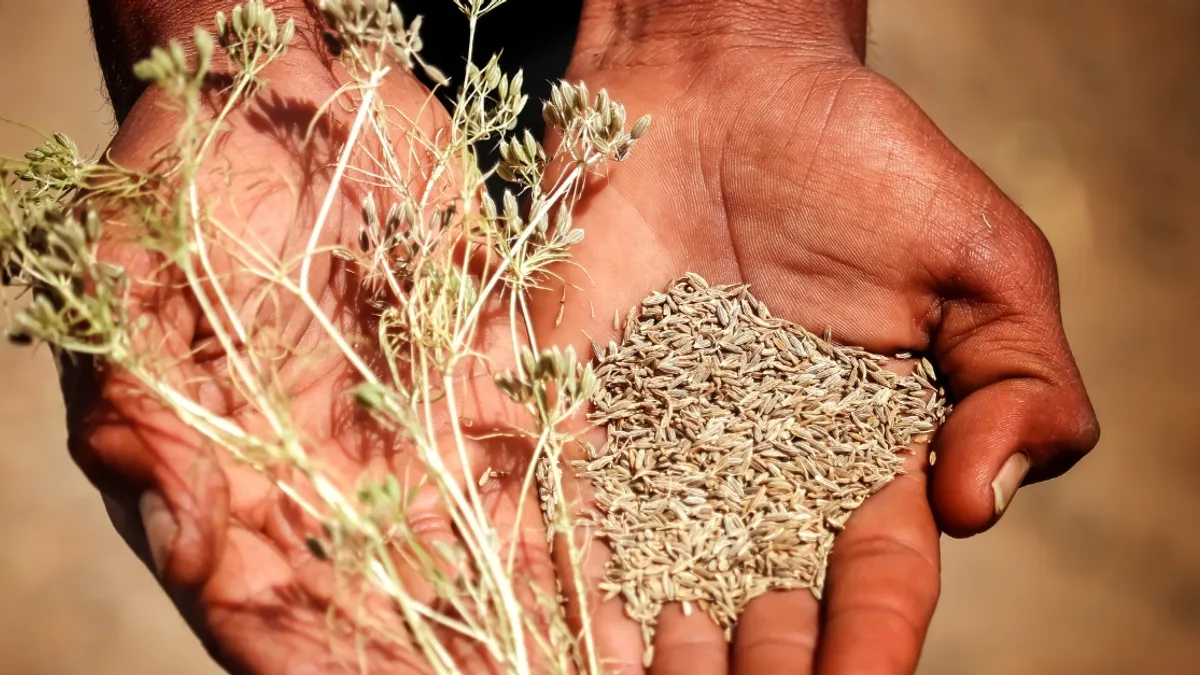
Cumin prices gained around 20% over the fortnight, and the reason is less about Indian supply than about what happened to its usual cheap alternative.
The brief but sharp conflict between Iran, Israel and the United States earlier this year disrupted shipping out of the Gulf for months. By October, cumin out of Iran, Syria and Turkey, origins that have historically undercut Indian prices, was costing buyers more than Indian cumin itself, according to trade sources. That has flipped a long-standing competitive dynamic and pulled fresh buying straight into Gujarat and Rajasthan, including renewed Chinese demand after months of near-total absence.
Indian supply is tightening on its own account. Production this crop year is estimated at around 490,000 tonnes, down from roughly 539,000 a year earlier, a second consecutive season of shrinking output after sown area fell to about 400,000 hectares against a normal 470,000. Arrivals at Unjha and other key mandis are thin, with farmers holding back stock. What happens next depends largely on rainfall around the October to November Rabi sowing window.
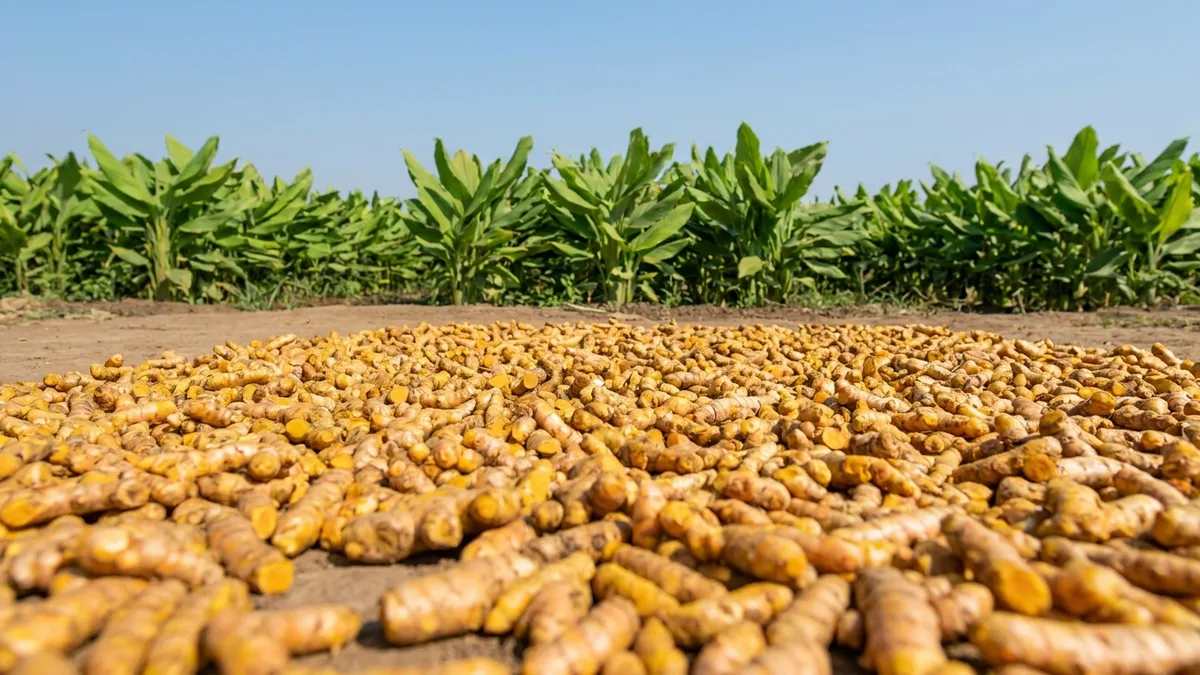
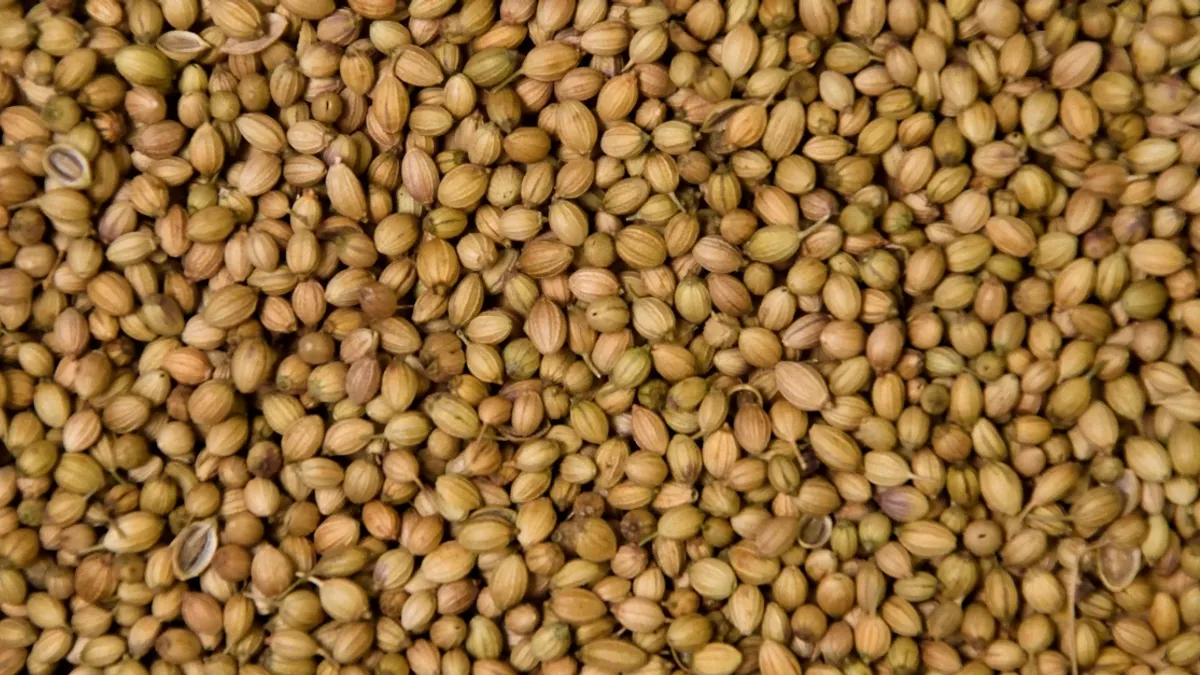
The rest of the spice complex moved too. Turmeric added more than 15%, most of it in the final week, as arrivals thinned and stockists deliberately held material back. Small cardamom re-firmed hard after a rain-deficient start to the Idukki picking season cut harvest volumes an estimated 25 to 30%. Coriander turned up on stockist buying. Red chilli did not move at all.
Read the full spices market analysis here.