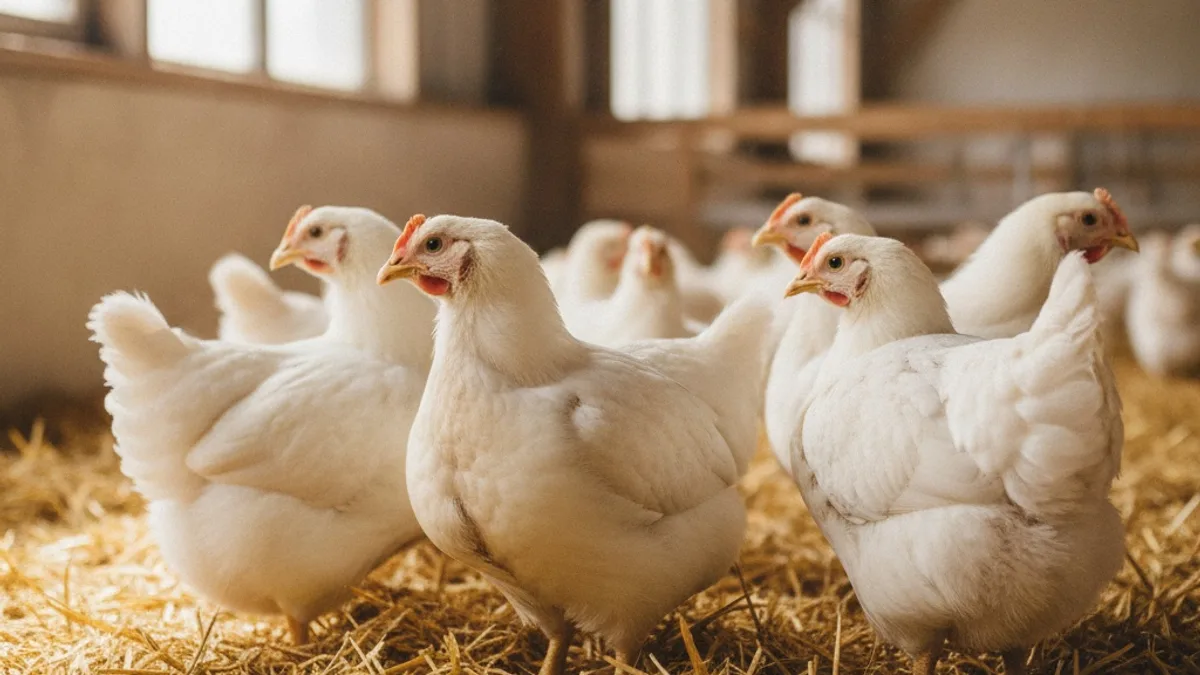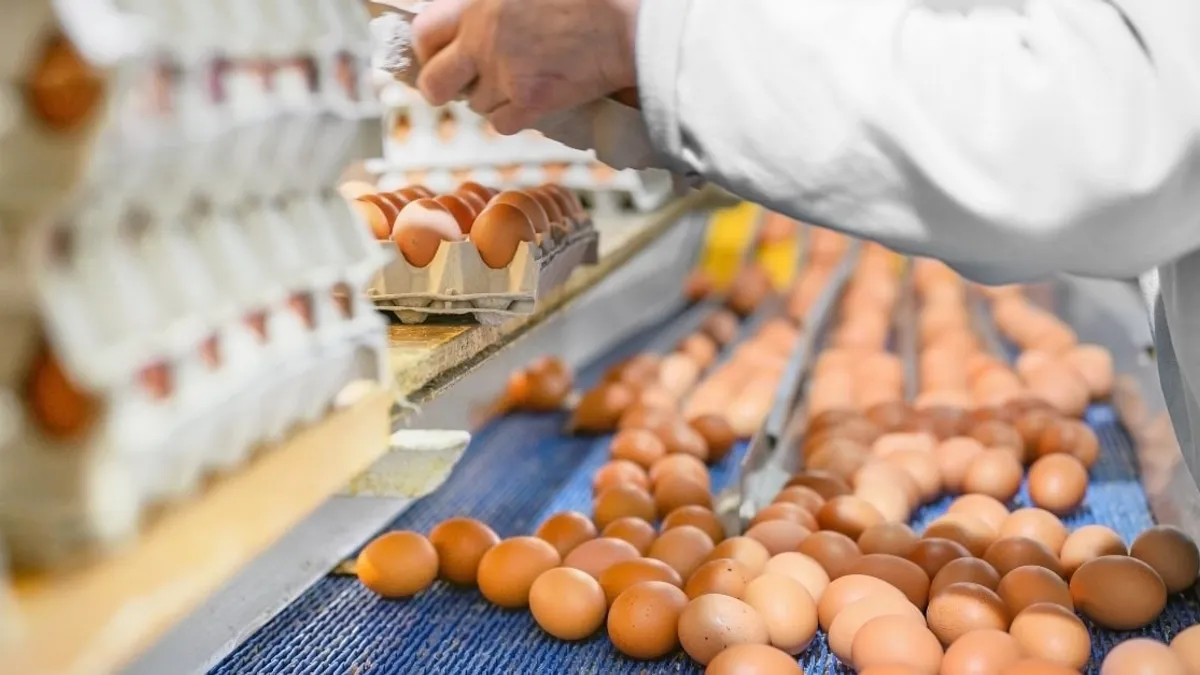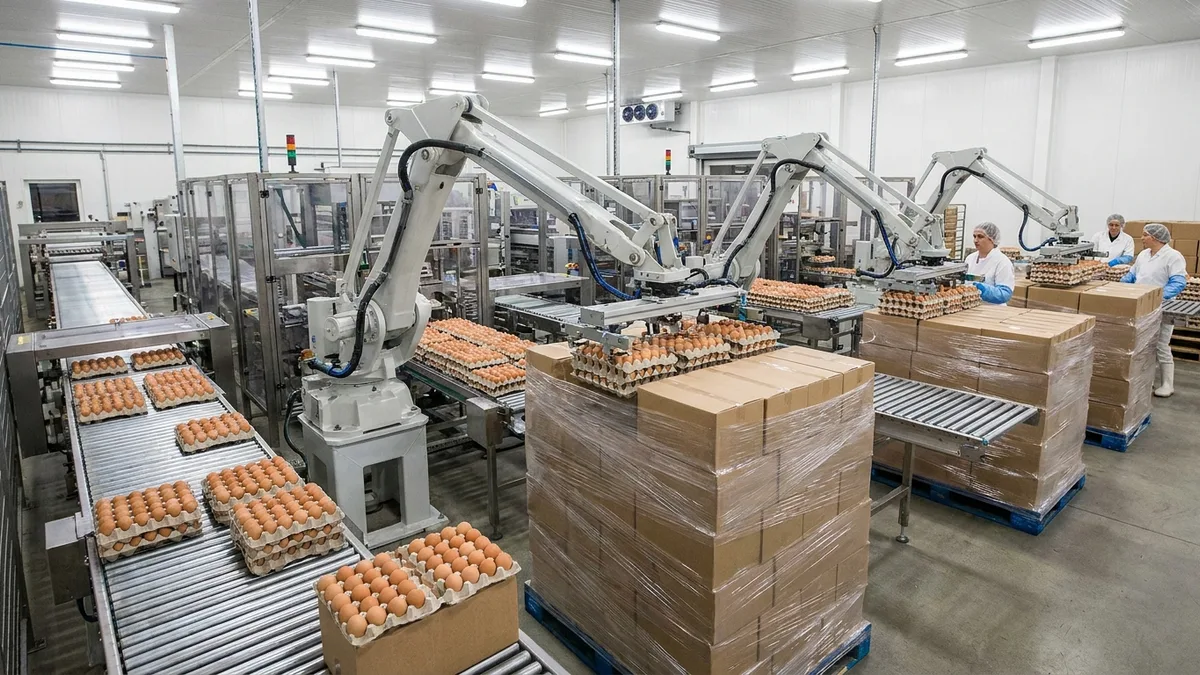


European poultry prices held well above their 2025 and 2024 levels for most of this year, then gave back a large part of that at the end of September. The supply side is the reason. EU production was up 5.5% as of June, broiler placements rose sharply in the same month, and output is now running 4.4% ahead of last year, faster than consumption is growing. The summer eating season is over, so monthly volumes are expected to fall from here.
Imports have done as much of the work as domestic output. EU poultry imports are up 6.1% so far in 2026, with Brazil sending roughly 30% more into Europe and Ukraine 13.9% more. Ukraine’s duty free quota now stands at 120,000 tonnes, 30,000 above its pre-war level, and that volume is weighing on EU prices. Pulling the other way, the EU’s new product quality regulation for poultry has effectively closed the door to Brazilian imports from September.
Disease is where the risk sits, and it is not where most buyers are looking. Europe has reported 146 Newcastle disease outbreaks in 2026, the highest number in twenty years, concentrated in Germany, Poland and Spain. All three are significant production centers. Bird flu has been the quieter of the two, with six outbreaks in the second half of the year, three of them in France.
That calm is seasonal rather than structural. The new bird migration season starts in October, and Europe came out of 2025 having had its worst avian influenza season since 2016, with Poland alone accounting for 40% of outbreaks while producing about 21% of the EU total. Newcastle disease cuts supply a different way, by stopping birds being moved, though export bans from non-EU buyers can push that product back into the EU instead.
Energy sits underneath all of it. EU gas storage is roughly 20 percentage points below the five year average on the back of the Middle East conflict, and barns run on electricity. Vesper’s poultry analysis works through what production at this pace means for cover into the winter, and where the price floor actually is.