Palm oil is where El Niño matters most among the vegetable oils, but so far the 2026 event shows up in next year’s price more than in today’s. Nearby palm oil prices are held back by high Malaysian stocks, while contracts for 2027 trade at a premium.
The gap between the two comes from biology. Water stress in an oil palm hits yields six to twelve months later, so a dry season this winter becomes a smaller harvest next year.
This post explains how El Niño reaches palm oil and the other vegetable oils, why the market has priced the risk into its forward contracts, and what past El Niños did to palm supply. It is written for buyers and vegetable oil producers planning cover for 2027.
How does El Niño affect palm oil production?
El Niño is the warm phase of the Pacific ENSO cycle, and it tends to bring drier, warmer weather to Southeast Asia. Our guide to how El Niño affects commodity prices explains the science.
For palm oil, the effect comes through a biological lag. An oil palm under water stress this season yields less six to twelve months later, so a dry spell during the event’s winter peak shows up in production the following year.
The dry weather is already there. Weather models showed rainfall 25 to 75 millimeters below normal across key growing regions in Indonesia and Malaysia in September.
Why haven’t palm oil prices spiked yet?
Today’s price and next year’s price are telling two different stories.
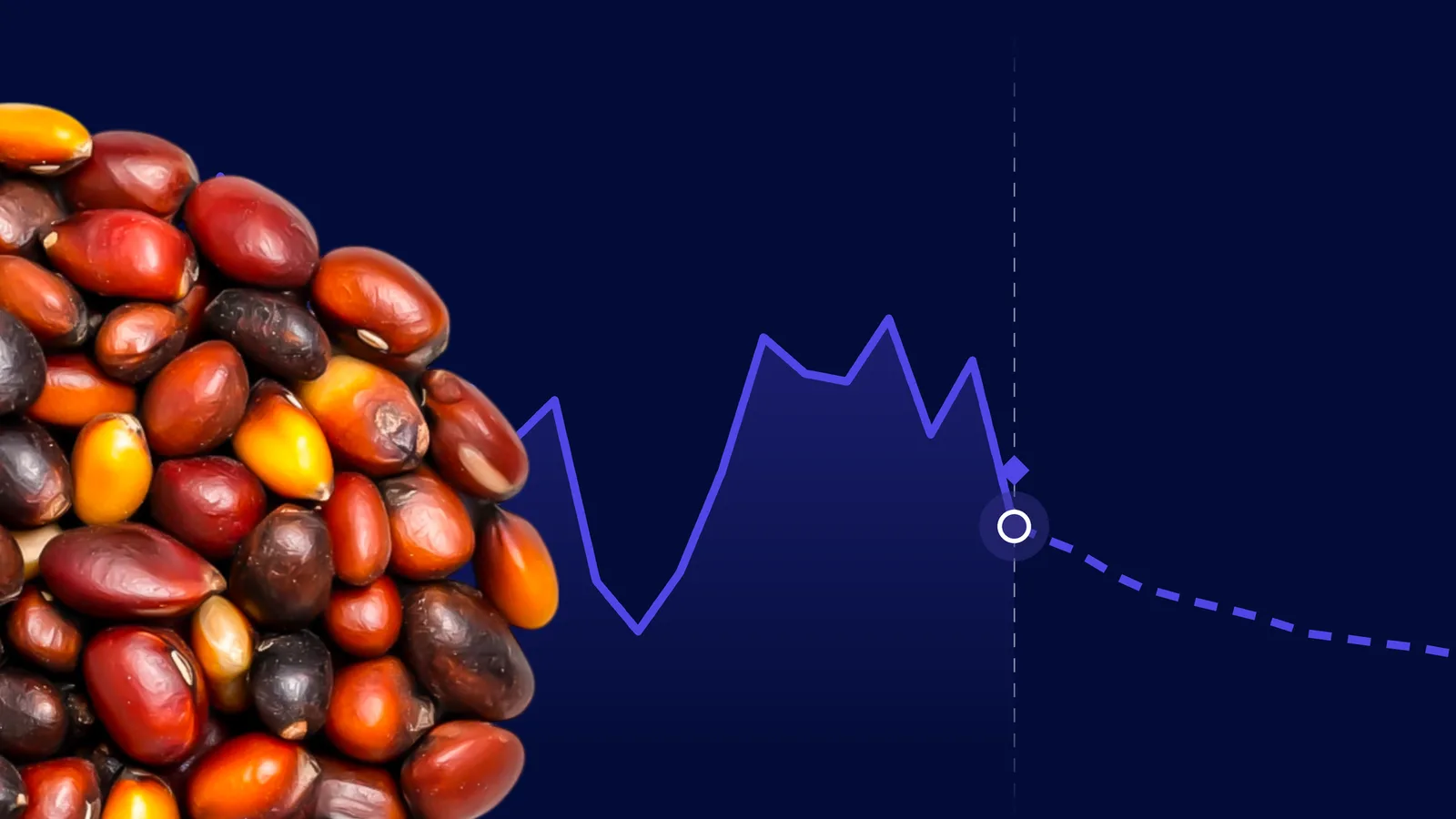
Nearby prices are pressured by high Malaysian stocks. Bursa Malaysia’s nearby crude palm oil futures have fallen since August.
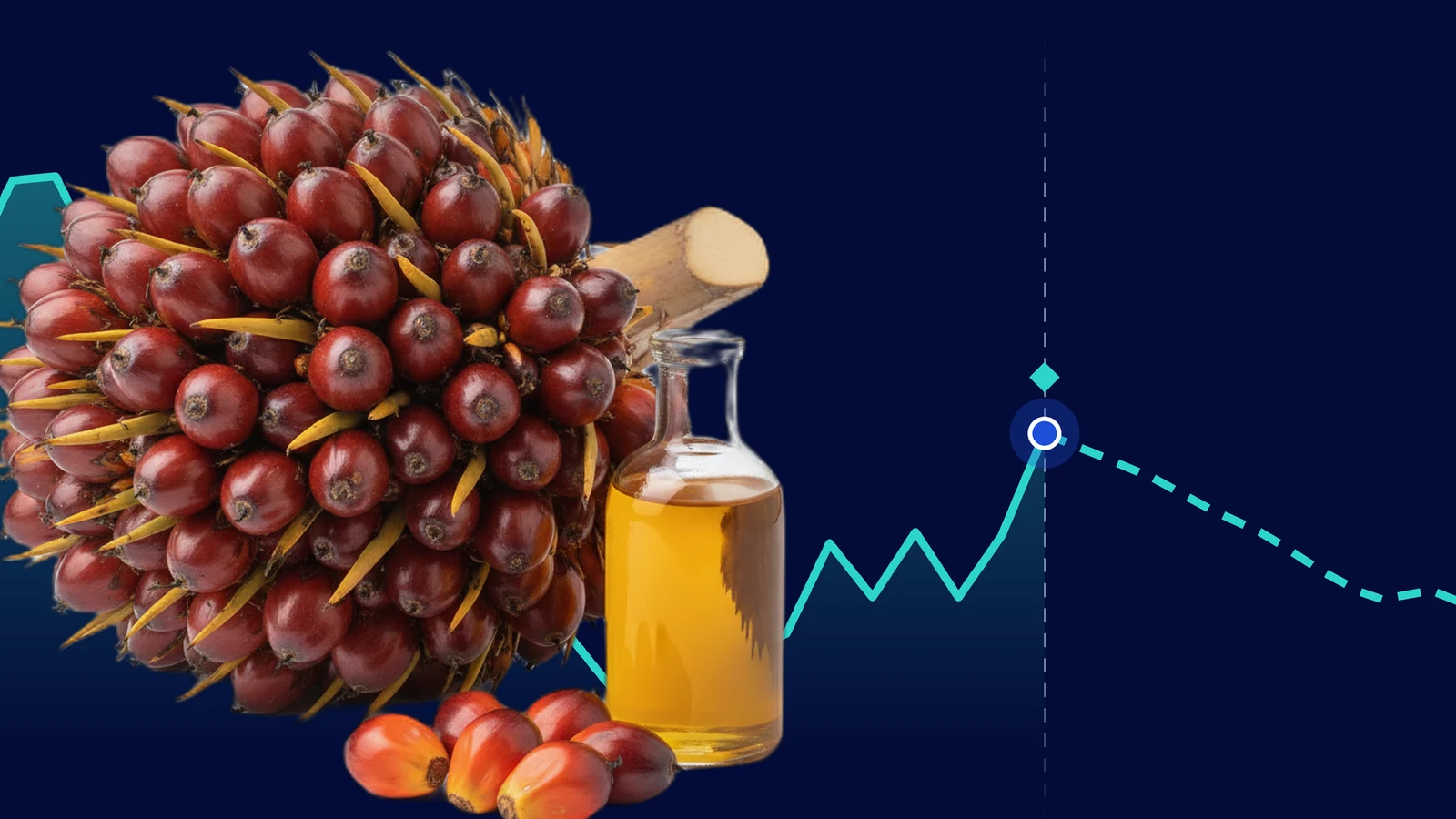
Deferred prices carry the El Niño risk. In August, Bursa Malaysia’s March contract rallied on El Niño concerns and lower production forecasts, and deferred contracts have stayed at a premium to nearby prices since.
High stocks are the reason El Niño has shown up in forward prices first. At the same time, Indonesia’s B50 biodiesel mandate is absorbing more of the country’s palm oil.
How does El Niño affect coconut oil, soybean oil and rapeseed?
The other vegetable oils are exposed through different regions and on different timelines.
| Oil | El Niño channel |
|---|---|
| Coconut oil | Dry weather in Indonesia and the Philippines cuts copra output, with a yield lag of 13 to 14 months |
| Soybean oil | Rain usually helps Argentina and southern Brazil; heat and dryness can hurt Brazil’s Center-West, the main soybean region |
| Rapeseed | Drought risk to Australia’s canola crop, plus spillover from the rest of the oils complex |
Source: Vesper analysis, November 2026.
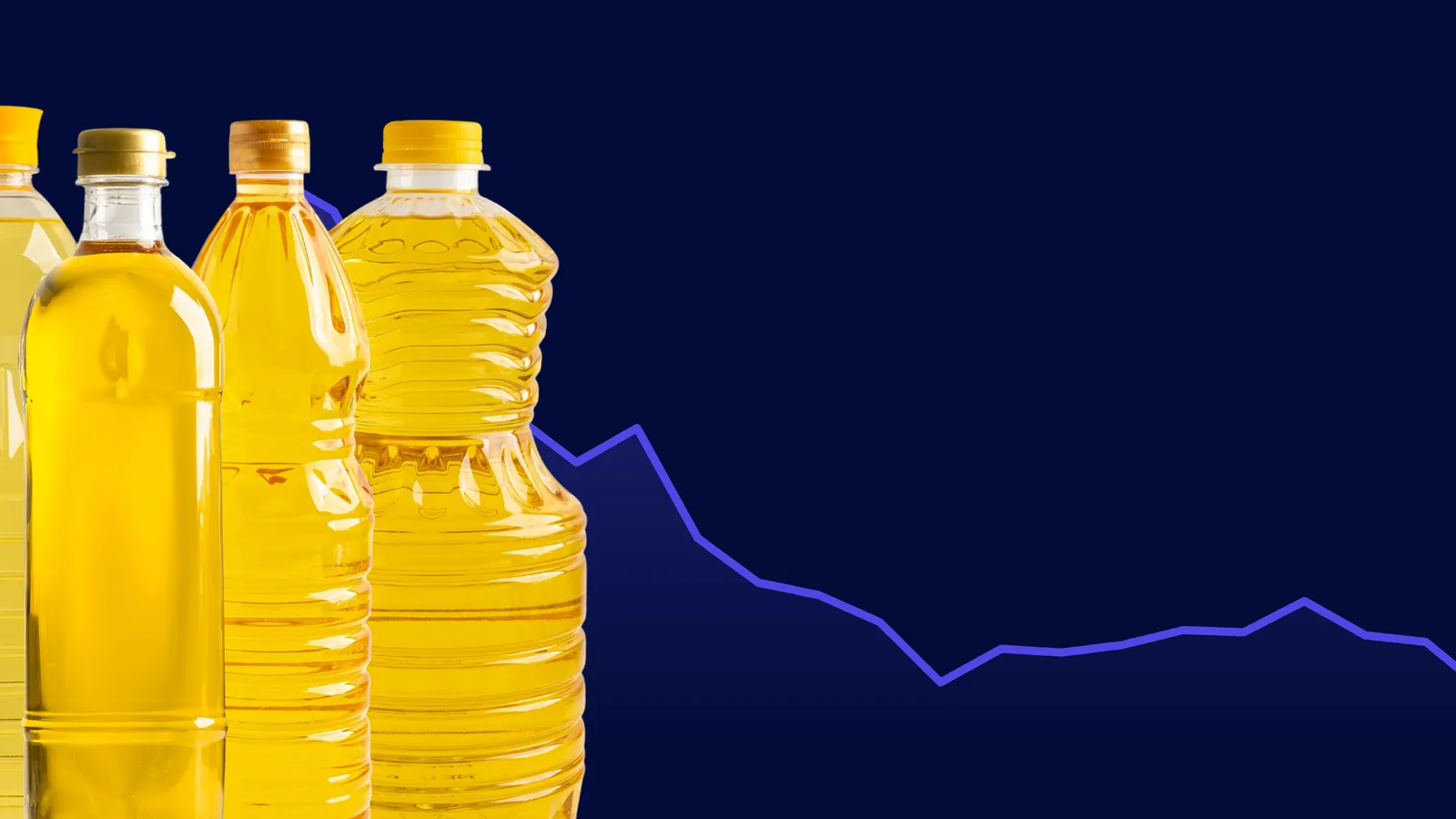
Soybean oil has been led by US biofuel policy and crude oil this year, and is close to 30% above a year ago despite falling since late July. El Niño’s effect on the soybean crop runs both ways, because it brings rain to one part of South America and heat to another.
Rapeseed faced its main El Niño risk in Australia, where the canola crop has come through well. Some Australian agencies now put it at 8 to 8.1 million tonnes, above last season’s 7.68 million.
What did past El Niños do to palm oil?
| Event | What happened to palm supply | What prices did |
|---|---|---|
| 2015–16 (about +2.6°C) | Southeast Asian output fell on lagged yield losses | Palm oil climbed about 47%, with soybean oil firmer alongside |
| 2023–24 (about +2.0°C) | Several palm regions caught timely rain; coconut and palm kernel supply was cut, feeding through to 2024 and 2025 crops | Headline vegetable oil benchmarks held up in a comfortably supplied market |
Source: Vesper; NOAA Climate Prediction Center.
The two events show the range: a strong El Niño can cut palm output sharply, or land on a well-supplied market and leave the benchmarks largely unmoved. Which of the two 2026 looks like depends on the weather over the coming months and on how far stocks can stretch.
Putting it to work
1. Look at the forward curve as well as spot
Because the yield effect arrives on a lag, the El Niño risk in palm oil can sit in forward contracts long before it shows up in today’s price. Check the curve for the months your cover runs into.
2. Track production data
Malaysian and Indonesian monthly production data will show when yield losses start to arrive. NOAA’s monthly ENSO updates show how long the dry conditions last.
3. Check coconut and palm kernel exposure separately
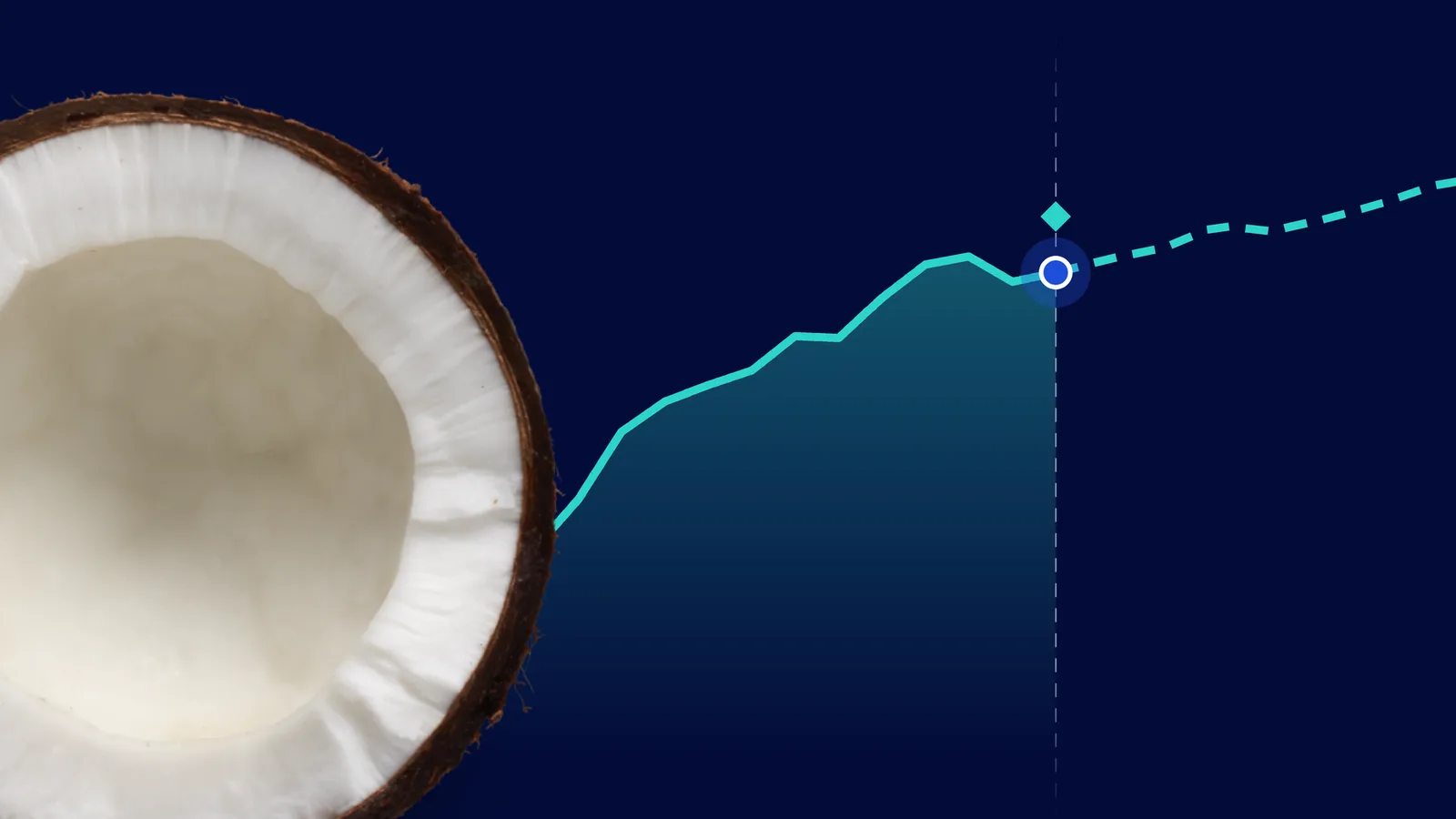
Coconut oil runs on a longer lag than palm, and the 2023–24 event cut coconut and palm kernel supply into the 2024 and 2025 crops. If lauric oils are in your recipes, they need their own plan.
Get the full El Niño report
Our report, The 2026 El Niño, covers palm oil, soybean oil and rapeseed alongside cocoa, sugar, coffee, wheat and corn. For vegetable oils it answers:
- How much palm oil production could El Niño cost Indonesia and the world in 2027?
- When in 2027 the yield losses are expected to become visible.
- What the heat in Brazil’s Center-West could mean for the soybean crop.
- What our analysts expect for rapeseed as Australia’s canola reaches Europe.
- What a palm shortfall would mean for the rest of the vegetable oils.
Download The 2026 El Niño report to see how exposed your vegetable oils and other inputs are, and when.
Frequently asked questions
How does El Niño affect palm oil?
El Niño brings drier, warmer weather to the oil palm plantations of Indonesia and Malaysia. Water stress in an oil palm cuts yields six to twelve months later, so the production effect of a dry season shows up the following year.
Why haven't palm oil prices spiked during the 2026 El Niño?
Nearby prices are held back by high Malaysian stocks. The El Niño risk sits further out: in August, Bursa Malaysia's March contract rallied on El Niño concerns and lower production forecasts, and deferred contracts have stayed at a premium to nearby prices since.
Does El Niño affect coconut oil and soybean oil too?
Yes. Coconut oil runs on a longer lag than palm, of 13 to 14 months. For soybean oil, El Niño works through South America: rain usually helps Argentina and southern Brazil, but heat and dryness can hurt Brazil's Center-West, the main soybean region.
What did palm oil do in the 2015–16 El Niño?
Palm oil climbed about 47% as Southeast Asian output fell on lagged yield losses, with soybean oil firmer alongside. In the 2023–24 event, by contrast, the headline vegetable oil benchmarks held up, because the market was comfortably supplied and several palm regions caught timely rain.
What should palm oil buyers watch during El Niño?
The forward curve as well as spot prices, Malaysian and Indonesian monthly production data, and NOAA's monthly ENSO updates on how long the dry conditions last.