

The USDA cut its planted-acre estimate for the 2026 US peanut crop again in the 12 August Crop Production report, putting acres down 27% on last year. That is a sharp revision from June, when the figure was down 21.8%. Production is now forecast at 2.709 million tons, a 25% decline, with 63% of the crop rated good to excellent as of 30 August and 36% of it in drought.
Yet supply has rarely looked heavier. Carryout stocks stand near 1.6 million tons, the highest ever for the US crop, and demand is going the wrong way: USDA reported edible peanut usage among US manufacturers down 1.63% across the full 2025 marketing year, with declines in candy, snacking and peanut butter alike.
The result is a market that prices this year and next completely differently. Edible redskins for shipment through the end of this year sit in the low to mid $0.50s, while 2026 crop kernels for January 2027 onward are solidly in the low to mid $0.60s, on very little buying activity. Growers are bullish because of the acreage cut and firm cotton prices, and the industry needs acres to rise at least 15% in 2027 to rebalance, which means peanuts have to win ground back from a strong cotton market.
Almonds are comfortably sold, pistachios face a cliff
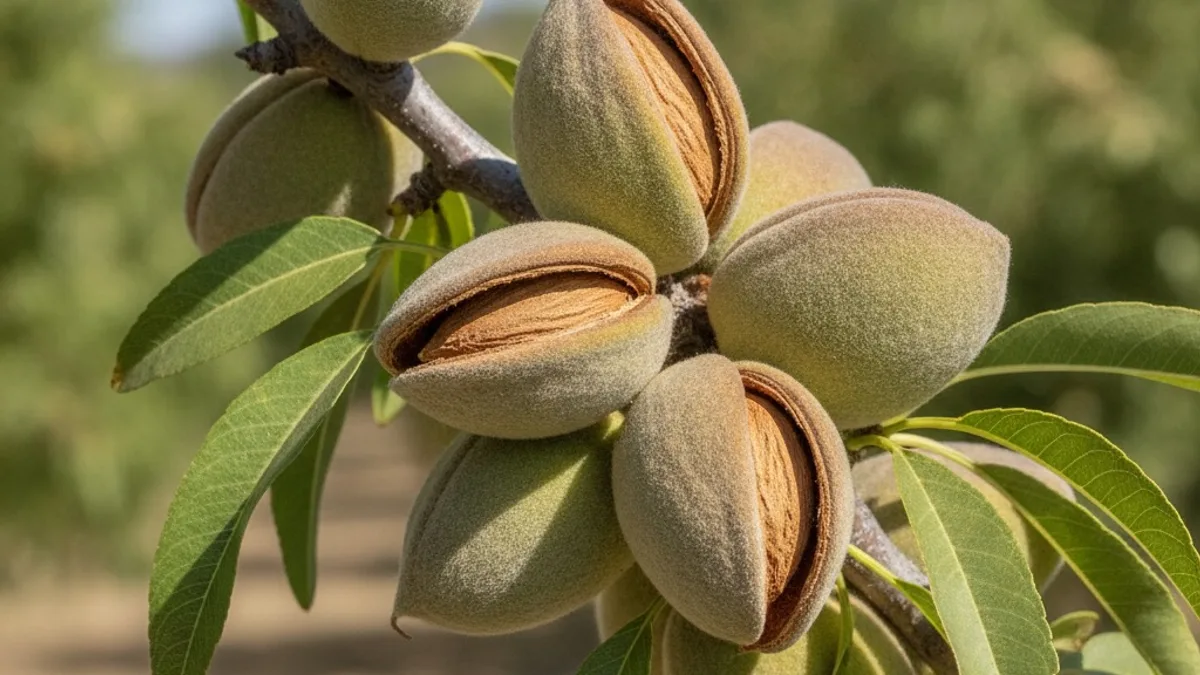
Almonds finished the 2025 crop year with receipts of 2.694 billion pounds, just under the 2024 figure. Using the Almond Board’s 2% loss and exempt estimate, carryout lands near 494 million pounds, about 19% of shipments and inside the 15% to 20% range the California industry considers healthy. California is 92.1% sold on total supply against a five-year average of 89.7%, and current crop commitments are 14.3% ahead of last year. Domestic shipments are the soft spot, down 11.3% year to date, with monthly volume near 50 million pounds now looking like the new baseline. Prices are at their highest in more than eight years, which is making some buyers hesitate on long commitments.
Pistachios had the opposite year. Shipments through July are up 19.7%, driven by exports up 26%, and prices strengthened even on a record crop of 1.6 billion pounds of receipts. The problem is next year: the 2026 crop is estimated at just 600 to 800 million pounds. Alternate bearing then suggests a swing back to 1.8 to 2.0 billion pounds in 2027.
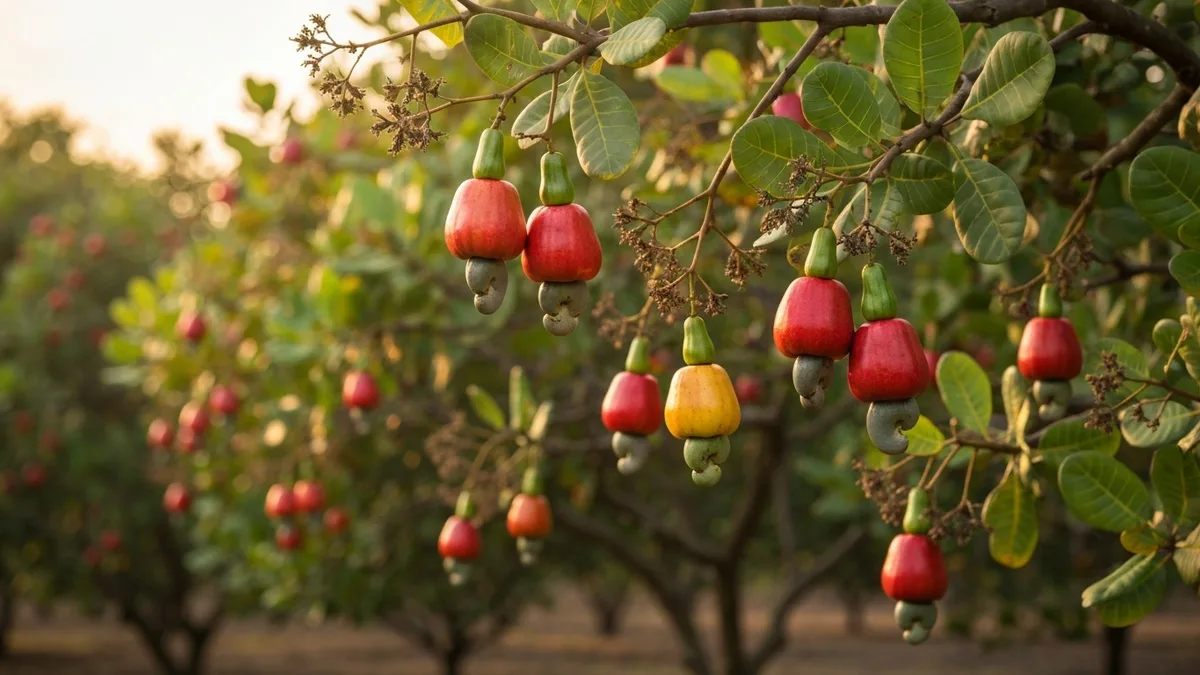
Elsewhere the crop cycle is doing the work. The 2026 Northern Hemisphere cashew crop finished 10% to 12% below last year with outturns tracking 2.0 to 2.5 pounds lower, which will limit premium-grade kernel supply into the second half. Hazelnut supply looks comfortable, with the Black Sea Exporters Association counting a Turkish crop of 804,000 tonnes against the Agriculture Ministry’s more conservative 704,000, but Turkish exports have fallen to 196,000 tonnes this season from 308,000, and annual shipments are expected to stay below 200,000 against a 300,000 average. Macadamia output is recovering hard, with South Africa at roughly 93,000 to 95,000 tonnes NIS and Australia at 56,000 to 58,000, and China has cut its import duty on South African product from 12% to zero.
Reported by ofi.