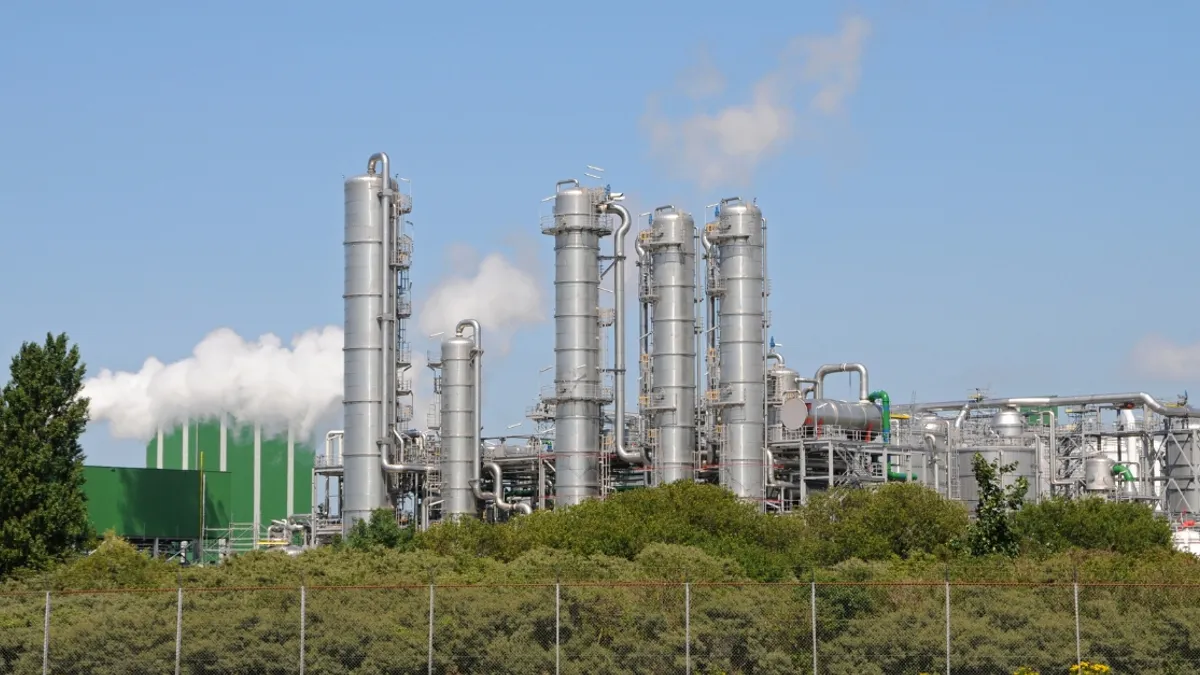


European gas storage reached 68% on 12 September, against an average of 84% for this stage of the year. Low storage leaves the region exposed to price shocks through the peak winter demand period, and TTF prices have already hit three-year highs. A strong cold snap or a drop in renewable output would push gas demand higher against supplies that are already thin.
The gap is not spread evenly. Germany and the Netherlands are set to miss their targets while Spain, Italy and France are faring better, a divergence that may carry into winter power pricing alongside renewable output and French nuclear capacity. Dutch network operator Gasunie has warned that the country is “insufficiently prepared” for an especially harsh winter. Current models point to a mild one. With Qatari flows still disrupted, Europe and Asia are competing for the same US LNG cargoes in the meantime.
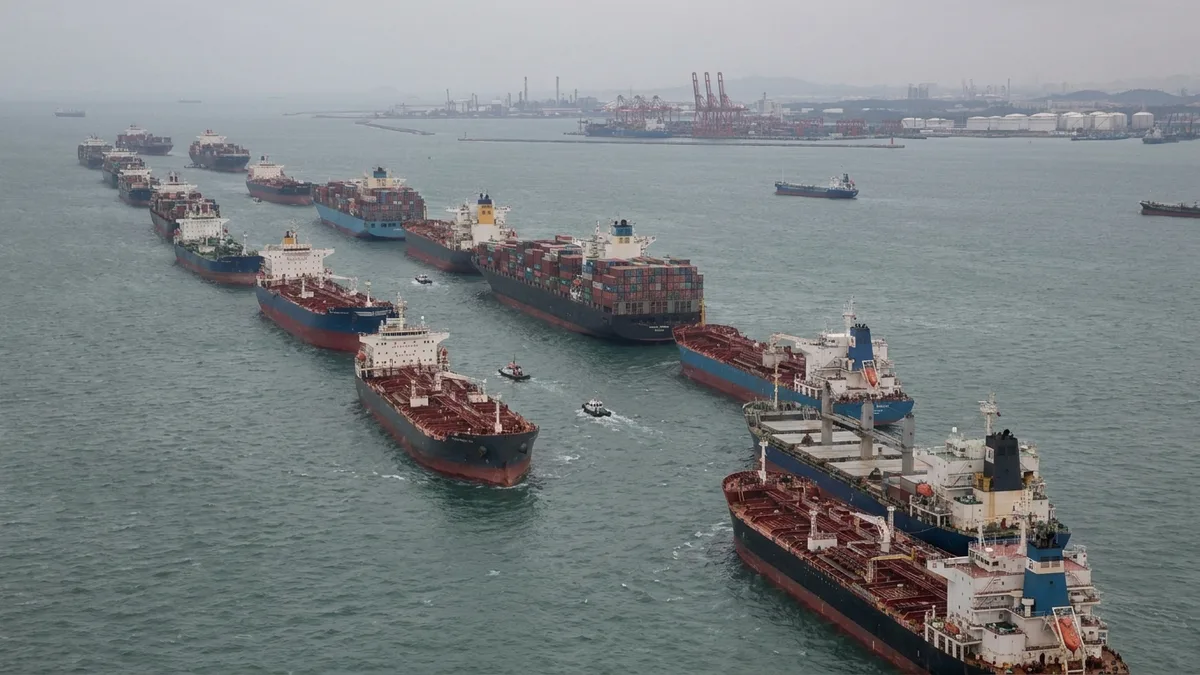
Crude oil is back around $100 a barrel, with the Middle East conflict in a new phase of escalation. Drone strikes have forced the closure of Saudi Arabia’s East-West pipeline, which carries 7 million barrels a day and had become a critical route because it bypasses the Strait of Hormuz. Flows through Hormuz have still to recover, and a meeting between Iran and several Gulf countries aimed at providing a safe shipping lane has been deferred. China has returned to the market after months away, lifting prices for African, Canadian and Latin American crude, though domestic stockpiles estimated near 1 billion barrels should cap its buying at these levels.
Diesel is the part that reaches food supply chains fastest. Bloomberg estimates it accounts for almost 30% of total oil demand, and it sits between the US and Iran standoff on one side and reduced Russian refinery output on the other. Prices remain close to record levels with little resolution in sight on either front, and the immediate effect is broadly inflationary.
Central banks are moving with it. The ECB raised Eurozone rates by 25 basis points this month, its second hike since the start of the US and Iran conflict, with inflation at 3.3% year on year in August. Strip out food and energy and the figure falls to 2.4%, which suggests the broader easing should come reasonably quickly once energy corrects. In the US, August CPI held at 3.4%, gasoline has moved from around $3.50 a gallon at the start of 2026 to over $5, and early September consumer sentiment dropped from 51.7 to 47.8.
Whether any of this unwinds depends on two conflicts and one winter, and Vesper’s macro analysis lays out where each pressure is heading.