

The 2026/27 season opened with a sharp move. London cocoa futures, basis the December contract, gained GBP 534 or 12.3% against 21 August, and GBP 905 or 22.9% against a month ago. December in New York added USD 614 or 10.2% on the same comparison. Almost all of it came in the last couple of sessions before the month ended.
Martijn Bron’s read is that this was very likely speculative short covering. The catalyst is harder to pin down. Technicals may have played a part, with the break of a triangle formation on the charts, alongside news of a weak pod set in Ivory Coast and a macro mood in which investors treat commodity baskets as an inflation hedge. Cocoa now sits inside those indexes. Positioning supports the short-covering case without confirming it yet: the combined London and New York managed money position was 21,700 lots net short at the 25 August cutoff, and the rally landed after that date, so the following week’s report is the one to read.
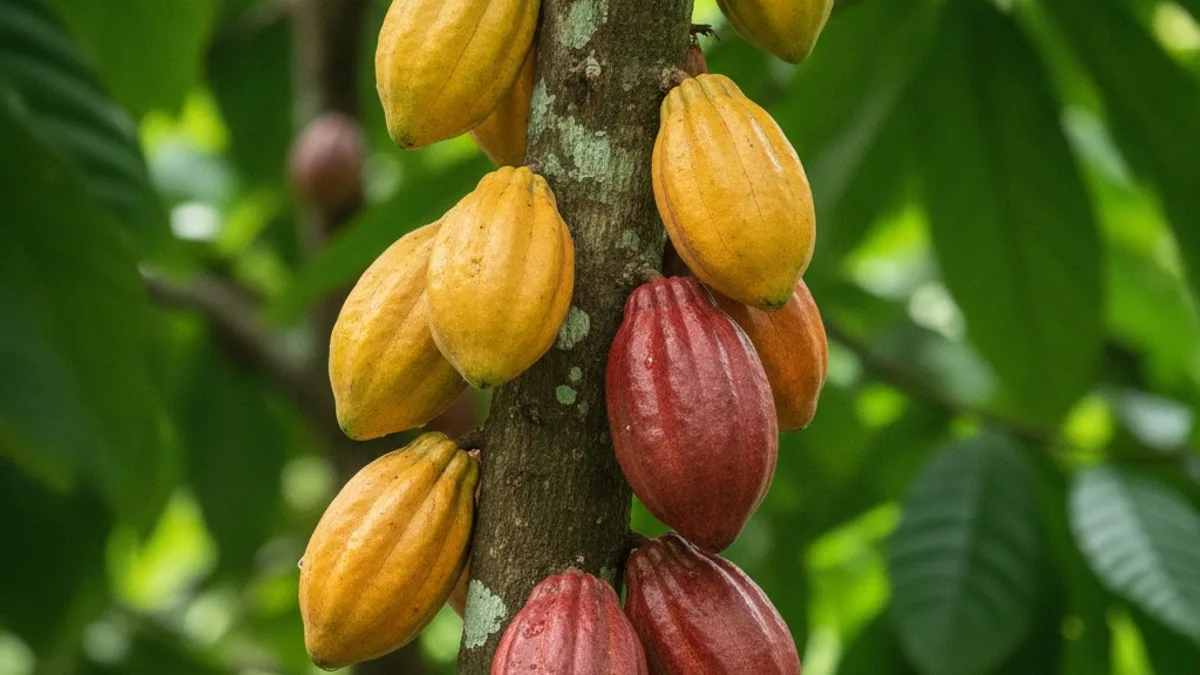
The fundamentals underneath are weaker than the price move alone suggests. The latest pod count survey for Ivory Coast’s main crop is well below the five-year average and tracks closer to the poor 2023 season on small pods. Pod survival improved slightly but stayed under both last year and the 94% five-year average, having dipped as low as 88%. Some forecasters have cut their Ivory Coast crop to 1.7 million tonnes, while StoneX sits near 1.8 million against 2.2 million for the current crop and flags downside risk to it. StoneX has trimmed its 2026/27 global surplus to around 25,000 tonnes from 149,000 tonnes in April. Ghana’s Cocoa Board puts its own new crop at 650,000 tonnes, down 13%.
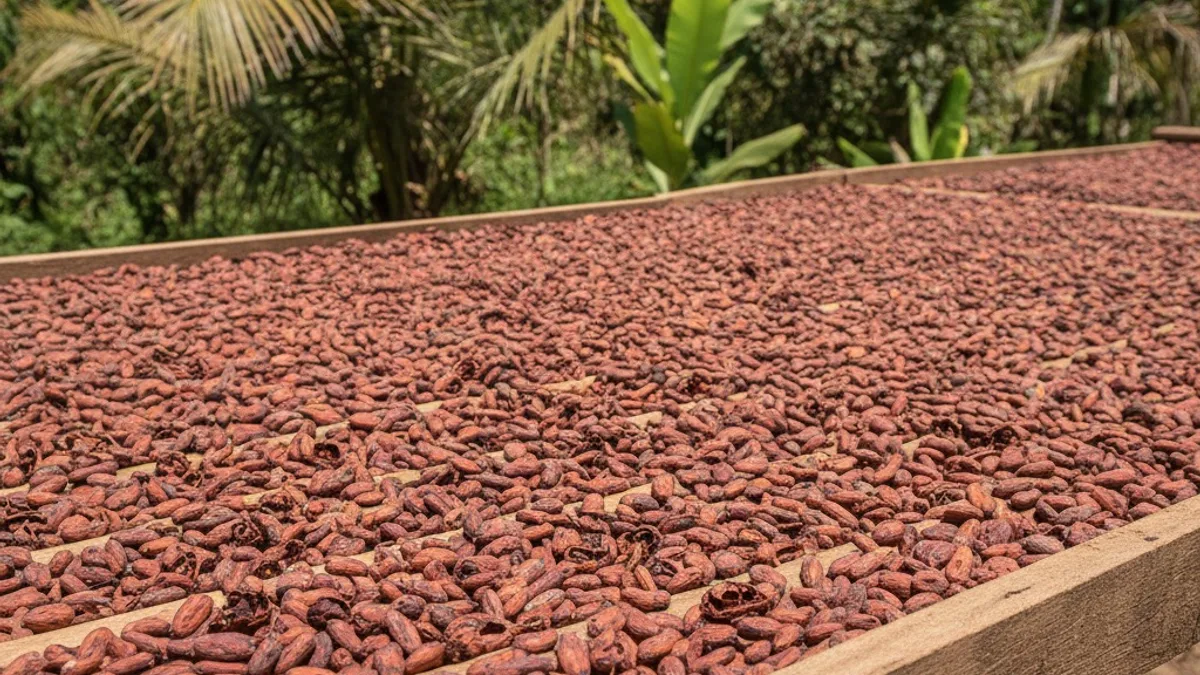
Farmers are unlikely to see any of the rally. Ivory Coast is expected to keep the fixed farmgate price at 1,200 CFA francs per kilogram for the main crop that began on 1 September, four industry and two government sources told Reuters. The regulator had to sell more than 1.1 million tonnes forward at much lower prices, and a government source said holding the price is the least costly option for public finances. Ghana is also expected to leave its farmer price unchanged. Arrivals in Ivory Coast have stayed very small as farmers hoard cocoa beans in the hope of a better price that now looks unlikely to arrive.
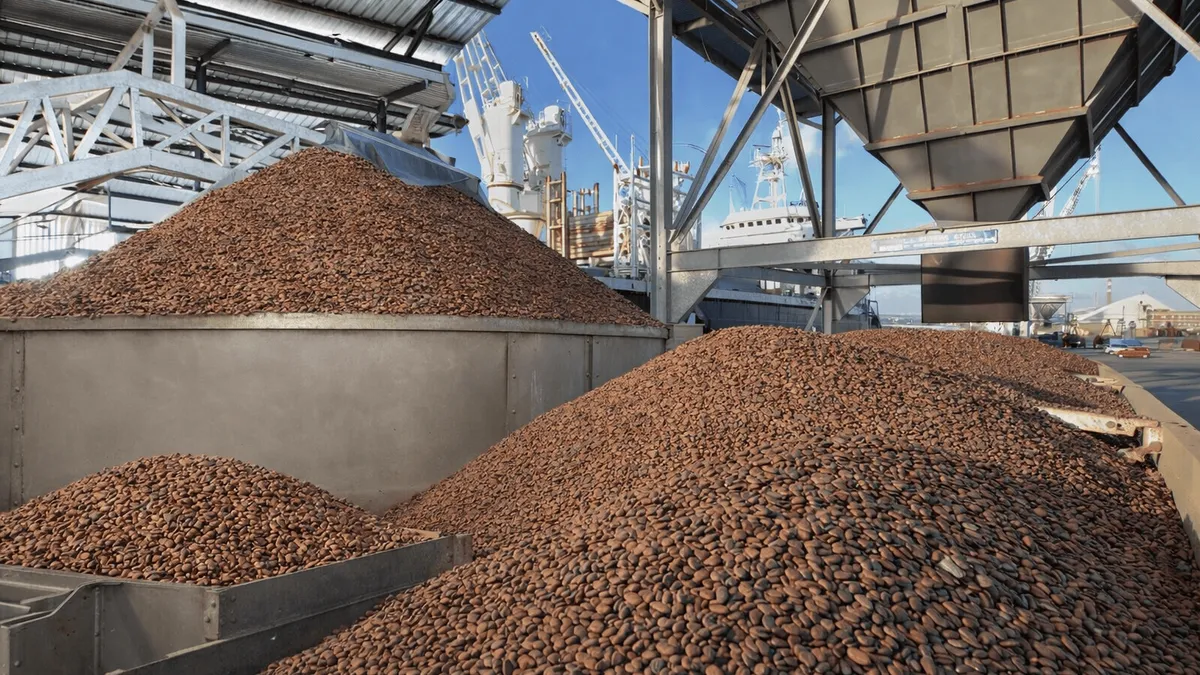
That sets up the part buyers should be watching. The main crop is running eight to 10 weeks late, and Ivory Coast’s Coffee and Cocoa Council expects weekly arrivals below 15,000 tonnes in September and 25,000 tonnes in October, with the bulk arriving from late October through December. About 900,000 tonnes are expected at Ivorian ports between October and December, against 1.1 million tonnes in the same window last year. All of it has to clear before the EU deforestation rules take effect at year end, and exporters are already warning about congestion and storage.