

Six of India’s biggest spice markets spent the back half of July circling the same structural fact: last season’s stock is thin, this season’s harvest is still months away, and each market is reacting to that scarcity in its own way.
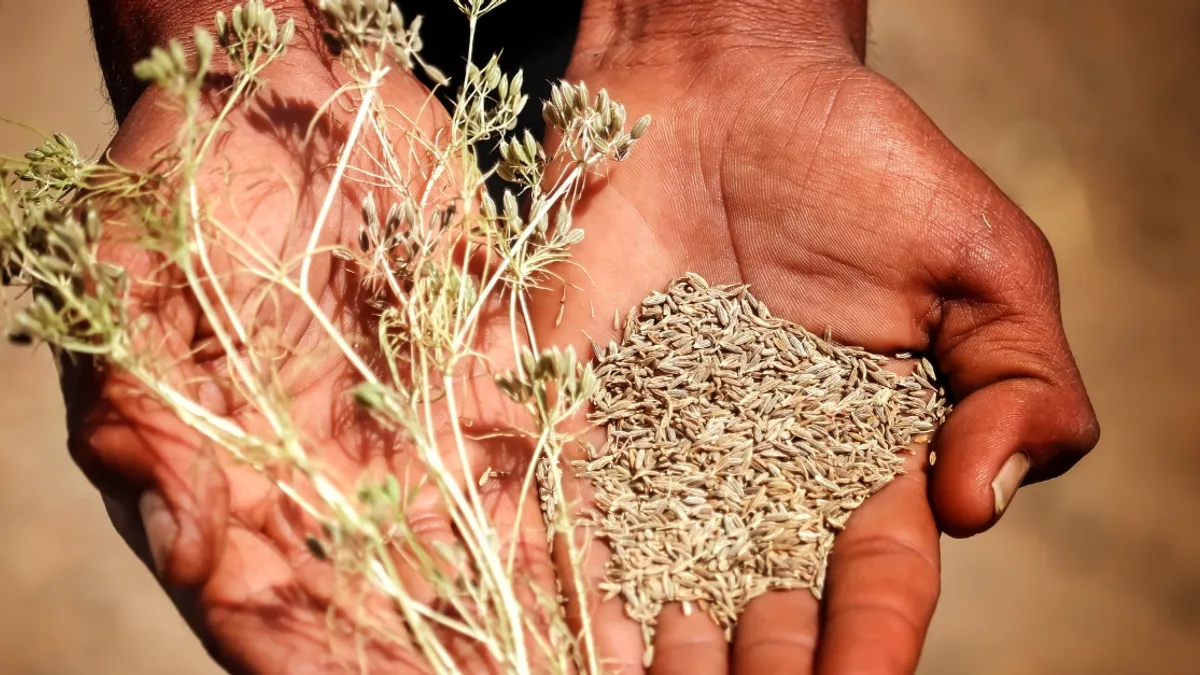
Cumin is the clearest case. Sowing this season ran nearly 7.3% below normal, and carryover stock into the season is reckoned at just 5.5 lakh bags, down almost 58% from a year earlier. Crop damage in competing origins Jordan, Turkey, and Syria has kept global cumin prices elevated even as China, normally a major buyer, has stayed on the sidelines while shipping through the Hormuz Strait remains disrupted. Delhi ordinary cumin closed the fortnight firmer, and traders say the real test is what happens to price once Chinese demand returns to a market with almost nothing left in reserve.
Coriander told a similar story with a twist: 80 to 85% of Gujarat and Rajasthan’s crop has already reached the market, and the remaining holders can afford to wait for a better price. A brief bout of profit-booking mid-fortnight knocked the futures market down sharply, but spot prices round-tripped back within 48 hours once the underlying tightness reasserted itself.
Turmeric delivered the fortnight’s most dramatic single move: a record high in Erode on July 20, followed by a steady, multi-day give-back that had erased almost the entire rally by month’s end. The correction wasn’t a supply signal, old stock across the main growing belts remains at barely 5 lakh bags against annual consumption above 1.4 crore bags. It was simply the market finding out how much the physical trade was actually willing to pay for a record price, and then settling lower.
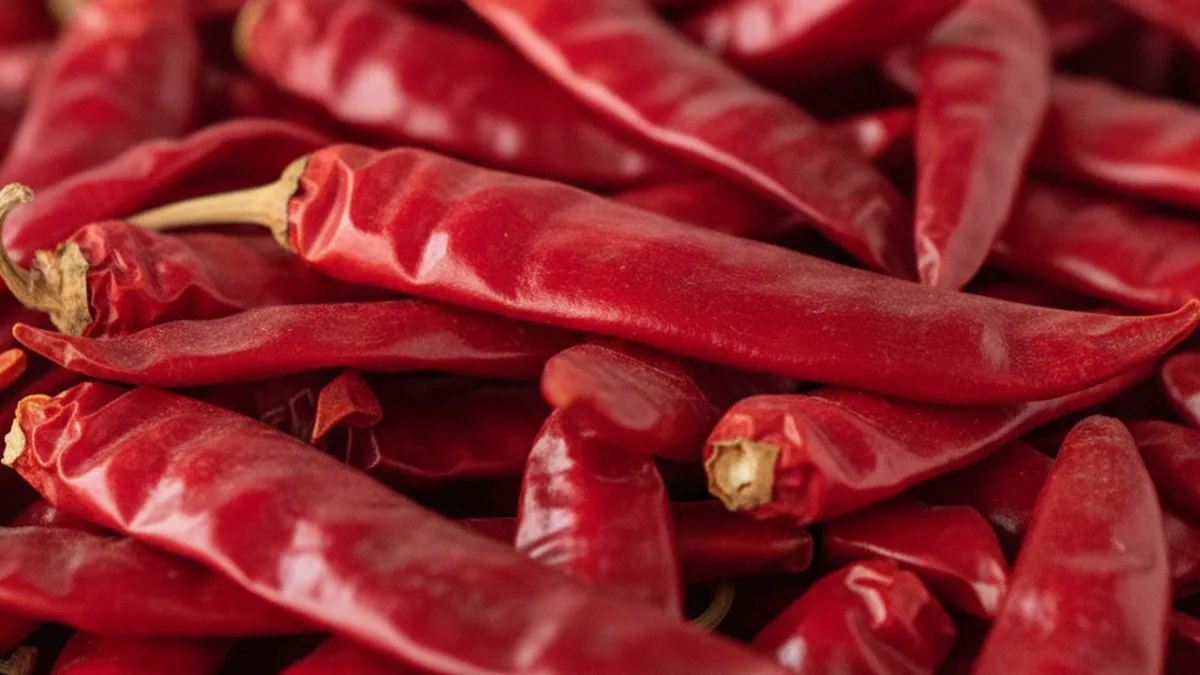
Red chilli spent ten straight sessions frozen at a single price point in Delhi, an unusually long standoff, before finally breaking higher in the fortnight’s last two days as national production continues to run 25 to 30% below normal. A separate development is worth watching for exporters: the US has imposed new anti-dumping and countervailing duties on Indian paprika oleoresin, a roughly $54.6 million annual export line, even as broader chilli export volumes fell 35% year-on-year in the season’s opening months.
Black pepper looked flat for most of the fortnight, held down by Sri Lankan import volumes covering incremental demand while Kerala farmers sat on their own stock. That calm broke late in the period: Vietnam’s crop, which normally supplies close to a third of global pepper output, is estimated at only around 150,000 tonnes this year against a normal 250,000 to 300,000, and prices moved up sharply as that global shortfall started to outweigh the Sri Lankan overhang.
Cardamom split cleanly in two. Small cardamom’s Kochi auction saw arrivals and prices rise together, a genuine demand signal rather than a thin-volume fluke, while big cardamom firmed on an altogether different driver: flooding in Assam, one of only two producing states, ahead of a new crop still roughly a month away.
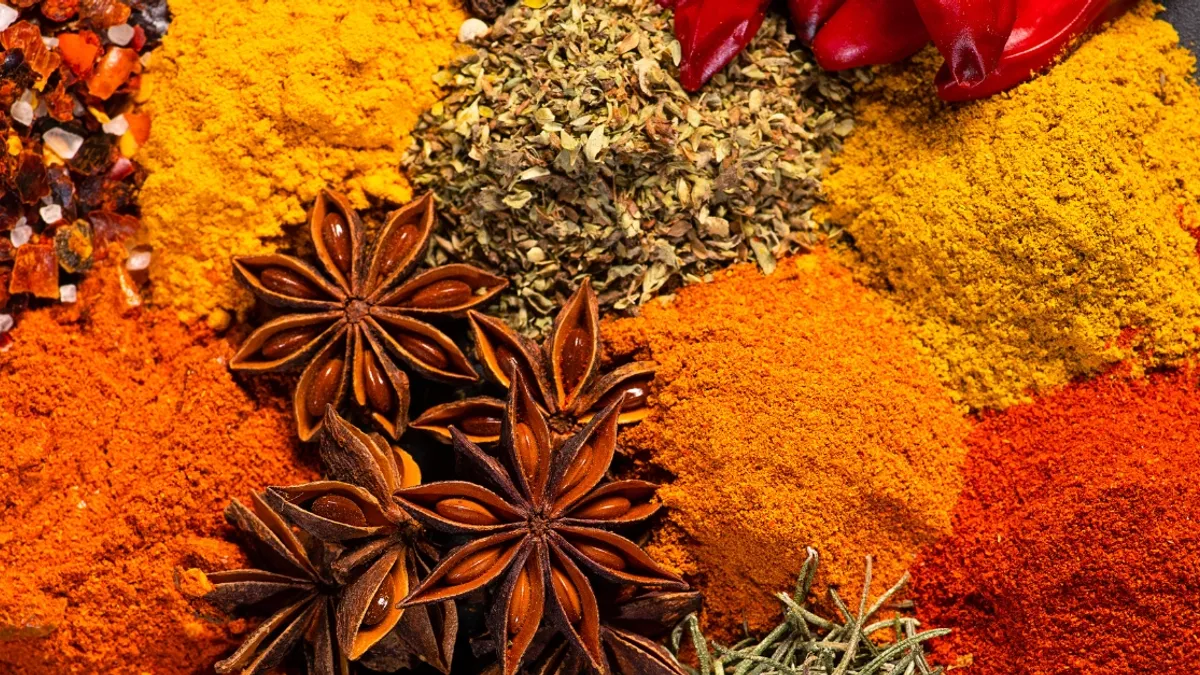
Different triggers, same underlying condition: across cumin, coriander, turmeric, chilli, pepper, and cardamom, this is a supply pipeline with very little cushion left before the next harvest.