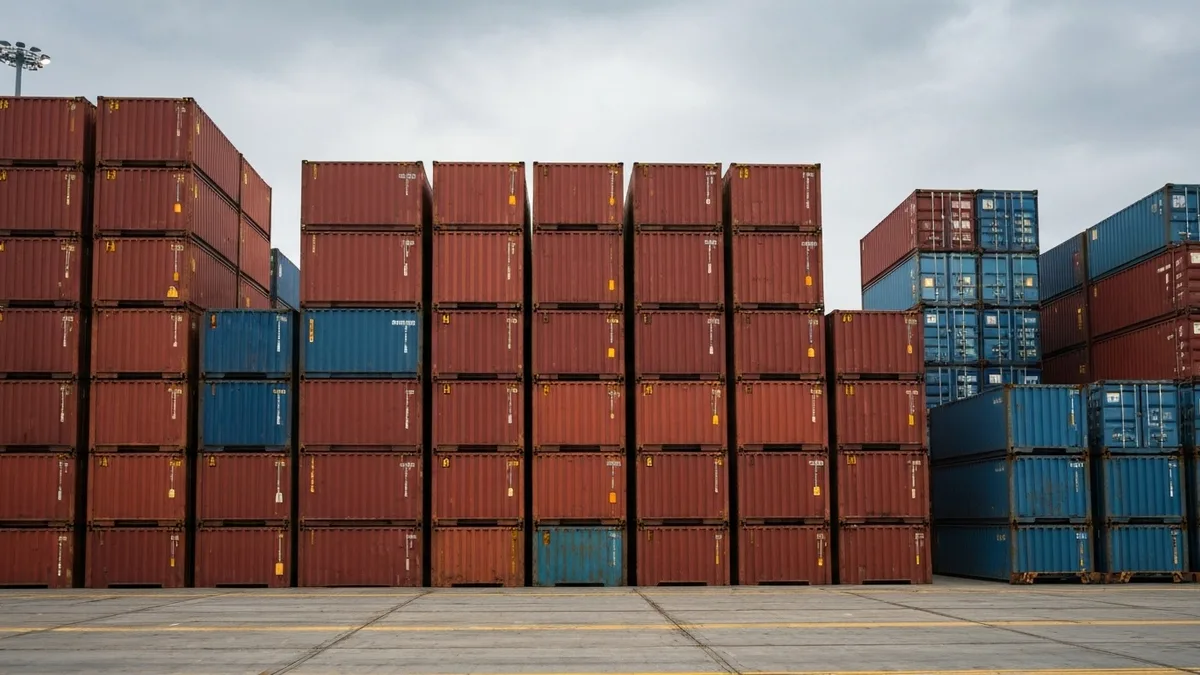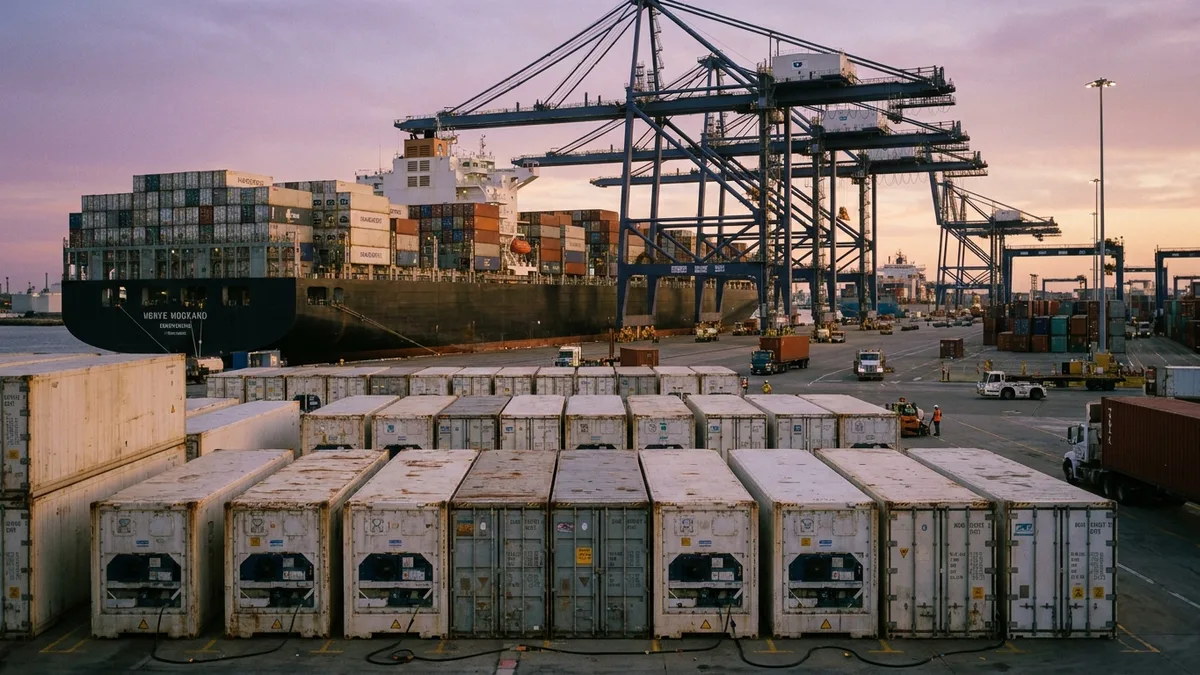


Typhoon Dolphin made landfall on the Zhejiang coast on 9-10 August at super typhoon strength and is now weakening as it moves inland. Ningbo-Zhoushan, one of the world’s busiest ports, closed completely from the evening of 7 August, moving more than 800 ships out of the way. Shanghai stopped container gates at Yangshan and Waigaoqiao the next day. Safety checks were still running on 10 August, with gates reopening in phases.
The storm itself is passing quickly. The delay it leaves behind will not. Once terminals fully restart, ships are expected to wait seven to ten days or more for a berth, with yards running 75% to 90% full and feeder services three to seven days behind schedule. That backlog now sits on top of a week Shypple had already flagged as the tightest for space in August, before the typhoon hit. Bookings on Chinese sailings over the next three weeks should be treated as likely to slip.
Ocean rates are moving in different directions depending on the lane. Spot rates from Asia to Europe fell for a fourth straight week as carriers scaled back planned increases. India is the exception: rates to Europe sit above $5,000 for a 40-foot container, with space short and empty containers hard to find, echoing the pattern China itself saw earlier this year.
Inland transport in Europe is getting more expensive from more than one direction at once. Road fuel surcharges bottomed at 15% in mid-July and have climbed to 24% this week for the Netherlands and Belgium, heading to 26% next week, already above June’s peak. Record-low Rhine water levels mean barges are carrying only a fraction of their usual load, pushing that cargo onto trucks just as many drivers are on summer holiday. The first hauliers, including in Belgium, have started adding congestion surcharges.
Two regulatory dates also land this month. The EU’s new packaging rules, known as PPWR, apply from 12 August with no transition period, covering conformity declarations, producer-responsibility registration and packaging-minimisation limits for importers, manufacturers and marketplaces of any size. Separately, the Panama Canal is stepping down its draft limit at the Neopanamax locks four times between 24 July and 3 September on low water in Gatun Lake, meaning less cargo per ship on Latin America lanes, even as daily transits stay unchanged.
One lane is easing: air freight spot rates fell 6% in July and are still coming down, with weak interest in peak-season charters pointing to a softer second half of the year.
This news article is part of a broader market analysis on the global freight market, provided by Shypple on Vesper’s platform. For the full update, visit: https://app.vespertool.com/market-analysis/3312