

Freight partner Shypple flags three things for food shippers to plan around this week: refrigerated container space that keeps selling out, disruption in India and South China, and a Rhine so low that barges sail at a fraction of capacity.
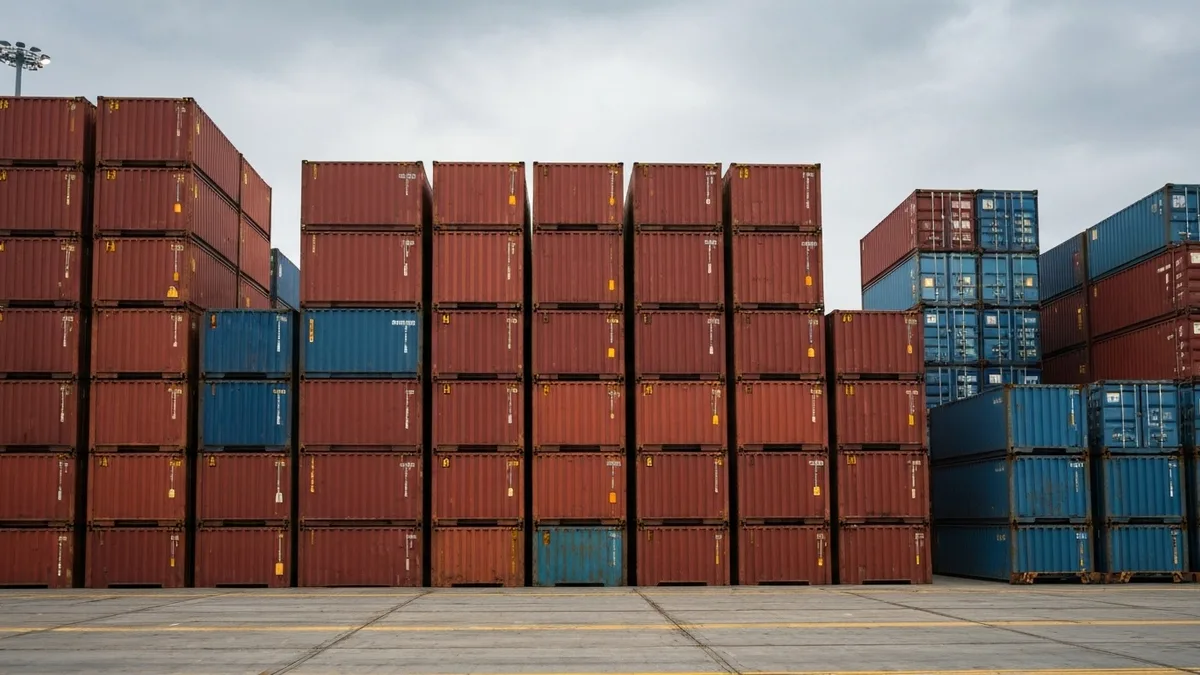
Reefer capacity remains the hardest space to book. Carriers keep giving dry cargo priority, so the refrigerated slots that move dairy and other perishable food cargo sell out first on busy lanes. CMA CGM raised rates again on its fast Suez service, the route most reefer cargo from Asia uses, so perishable shippers face less space and higher prices at once.
India is filling up fast. Demand to North Europe is high, ships are scarce, and some carriers have stopped taking bookings until mid-August. The monsoon is slowing west-coast ports, and a fatal accident closed the terminal at Nhava Sheva, India’s biggest container port. In South China, Typhoon Bavi shut Ningbo-Zhoushan, Shanghai Yangshan, Wenzhou, Fuzhou and Xiamen from July 10; sailings on those lanes will run three to seven days late.
Closer to Europe, the Rhine is exceptionally low for the time of year. Barges can load only about 30% of normal capacity, taking roughly 200,000 to 300,000 tonnes of weekly cargo off the river, while Rotterdam’s port rail runs near its limit. That means tighter inland capacity and higher costs into the Netherlands and Germany.
There is some relief in the numbers. Asia to North Europe ocean rates are steady and expected to ease toward the end of July, road fuel surcharges in the Benelux keep falling, and Maersk is moving a second service back through the Red Sea. Against that, peak season surcharges climbed again: CMA CGM now charges $1,000 per 20-foot container and Maersk doubled its surcharge from July 7. Bunker fuel has calmed since June, but costs can climb again within weeks if tension around the Strait of Hormuz flares, with oil already back above $80 a barrel.
The full Shypple update on Vesper carries the practical detail: which lanes to book early, what the surcharge changes mean per container, and where the bottlenecks bite hardest.