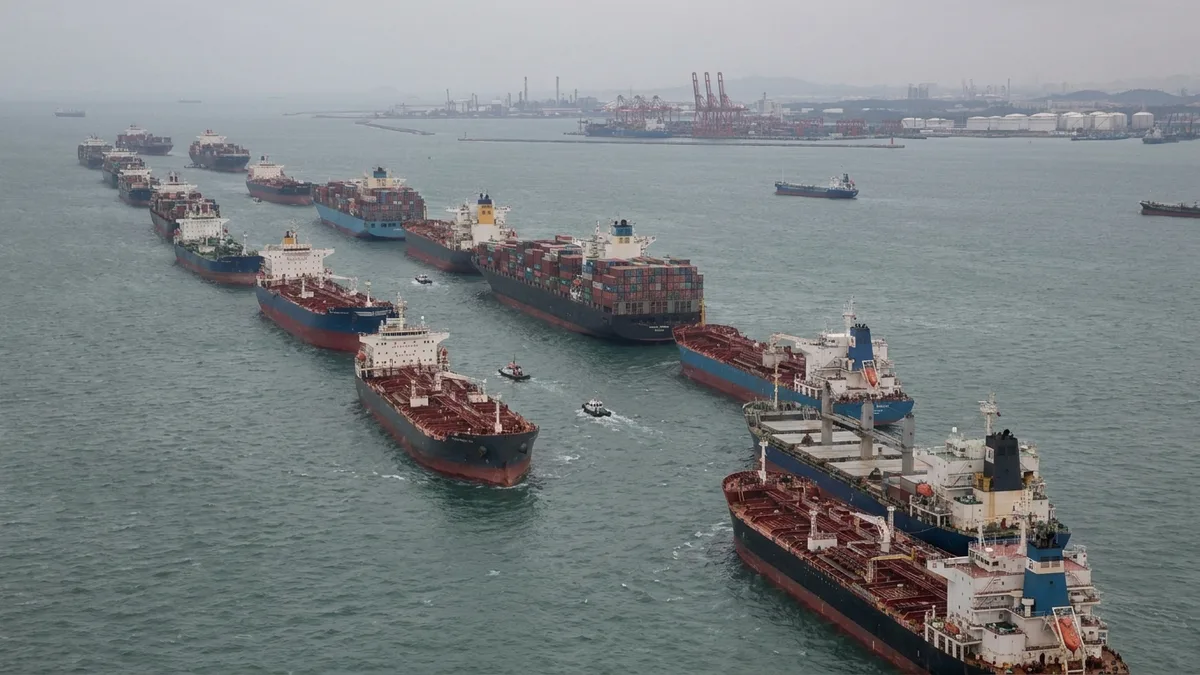


The fossil energy benchmark did the moving this month. Low sulfur gasoil reached $1,568 a tonne on 15 September, up 26.2% from $1,243 at the time of the previous report, and most of that came in two sessions: LSGO closed at $1,477 on 14 September before adding a further 6.2% the next day, as planned talks on reopening the Strait of Hormuz were postponed with no new date set. Oman had been due to host Iran and the Gulf states. The meeting was postponed on 14 September, with Iran and Oman citing events in Yemen and Saudi Arabia requesting the delay, and Bahrain refusing to attend without restored diplomatic ties with Iran.
Biodiesel followed it up. FOB ARA FAME 0 firmed 14.2% since the 28 August report, FAME -10 rose 10.6% and UCOME 6.7%. Hydrotreated vegetable oil moved further in places: HVO from vegetable feedstock gained 15.5%, HVO from used cooking oil 7.3% and HVO from tallow 2.9%.
Used cooking oil is the one line that went the other way, and it split by delivery basis. UCO CIF ARA eased 9.4% while UCO ex-works Netherlands firmed 3.4%. The trade flows behind that are moving fast. China exported 2,231,305 tonnes of UCO in January to July, up 54.8% year on year, with July alone running at more than double last July’s pace. US imports over January to July fell 23.8% under tariffs on Chinese material, though the gap has narrowed sharply from the 40.3% shortfall recorded through June. EU imports were close to flat, up 0.6% over January to August.
Policy is the slower variable. The European Commission may drop binding national renewable hydrogen targets in the next Renewable Energy Directive, favoring an indicative EU-wide target of 8 million tonnes a year by 2040 instead. The preferred option would let low carbon electrolytic hydrogen count toward compliance and allow industrial hydrogen credits to be sold to transport fuel suppliers, which is a new compliance route that could compete directly with biofuel blending credits. The existing 2030 and 2035 targets are unchanged for now. Vesper’s monthly biodiesel analysis works through what that competition would mean for blending economics.