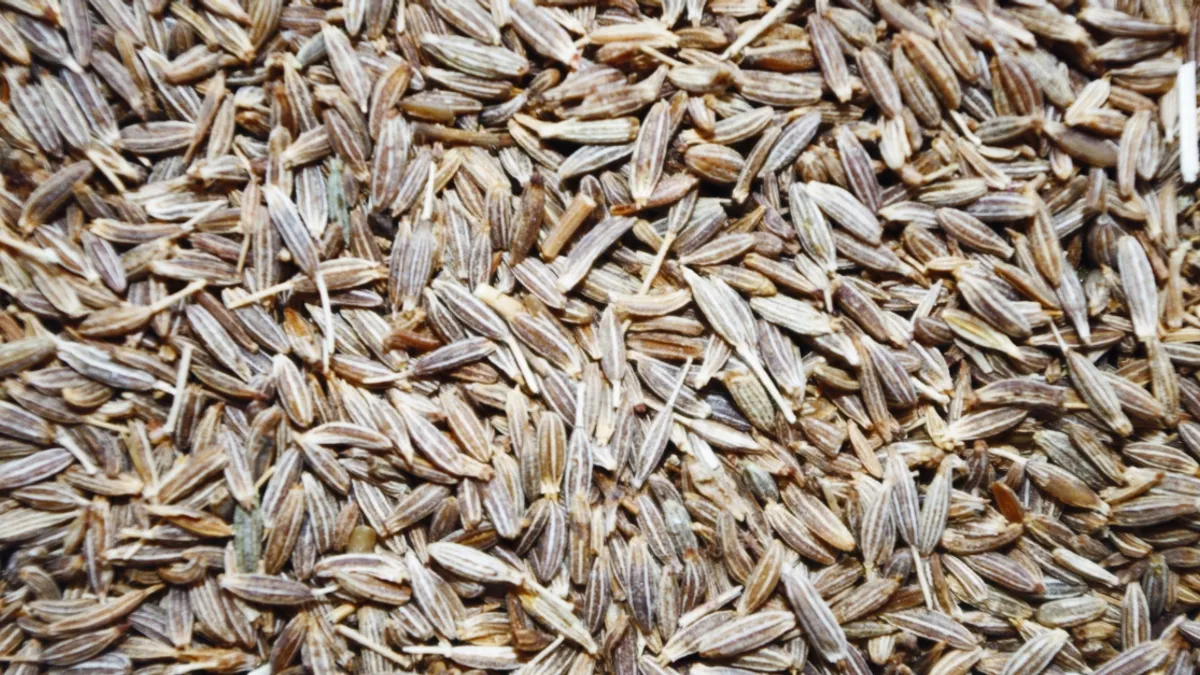


Cumin moved for the first time in about a month. Delhi ordinary opened the fortnight near $2.39/kg, dipped to $2.37 on 1 September as demand went quiet for a day, climbed to $2.41 by 3 September, and held a plateau at $2.43 from 8 September through the close on 13 September. That is a sustained grind higher rather than a single day pop that unwinds itself.
The driver is festival season demand from local spice makers and wholesale buyers, with stockists leaning into it. Arrivals at Unjha stayed in a normal 8,000 to 14,000 bag range throughout, so this was demand led rather than a supply shock, and Unjha’s own origin rate climbed from around $2.21/kg early in the fortnight to $2.25 to $2.31/kg by 3 September before easing back toward the close. Futures went the other way, drifting from around $2.25/kg on 6 September to $2.20/kg by 10 and 11 September, which means stockists were buying the physical market with more conviction than speculators were buying the paper one. Chinese demand stayed absent, as it has for months, while Bangladesh provided light steady support.
Coriander produced the sharper divergence. Badami opened around $1.76/kg, eased into a $1.70 to $1.73 range and then sat there, closing the fortnight at $1.71 to $1.73 with barely $0.05/kg of net movement. The active futures contract fell from $1.66/kg to $1.58/kg by 11 September, close to 5%, in a market where spot did almost nothing. Baran mandi arrivals were as thin as 150 to 400 bags across several sessions, so the tightness has not gone away; stockists have simply stopped chasing at current levels. Exports for April and May of FY2026-27 came in at 10,236 tonnes worth $15.46 million, a 26% volume decline against a year earlier on roughly 7% higher earnings.
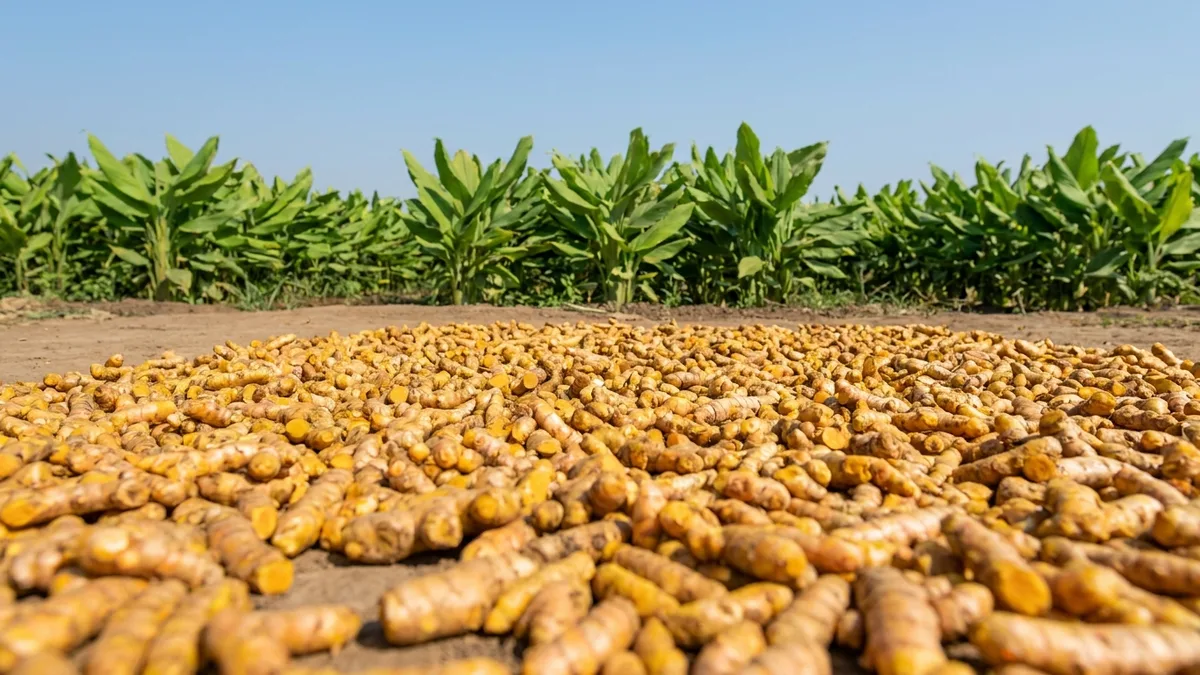
Turmeric broke its own pattern by doing very little. After three consecutive rally and correction cycles, Erode Gatta chopped between roughly $193 and $197 per quintal and finished the fortnight close to where it started. The supply case is unchanged: old stock across the main markets is reckoned at barely 5 lakh bags against annual consumption near 140 lakh bags, and this season’s crop ran 27% to 28% below normal sowing. Millers bought dips and sold bounces without building enough conviction for a run in either direction.
Whether cumin’s move extends through the Navratri and Diwali stretch depends on how much of that festival demand has already been pulled forward, and Vesper’s biweekly spices report sets out what the trade is watching.