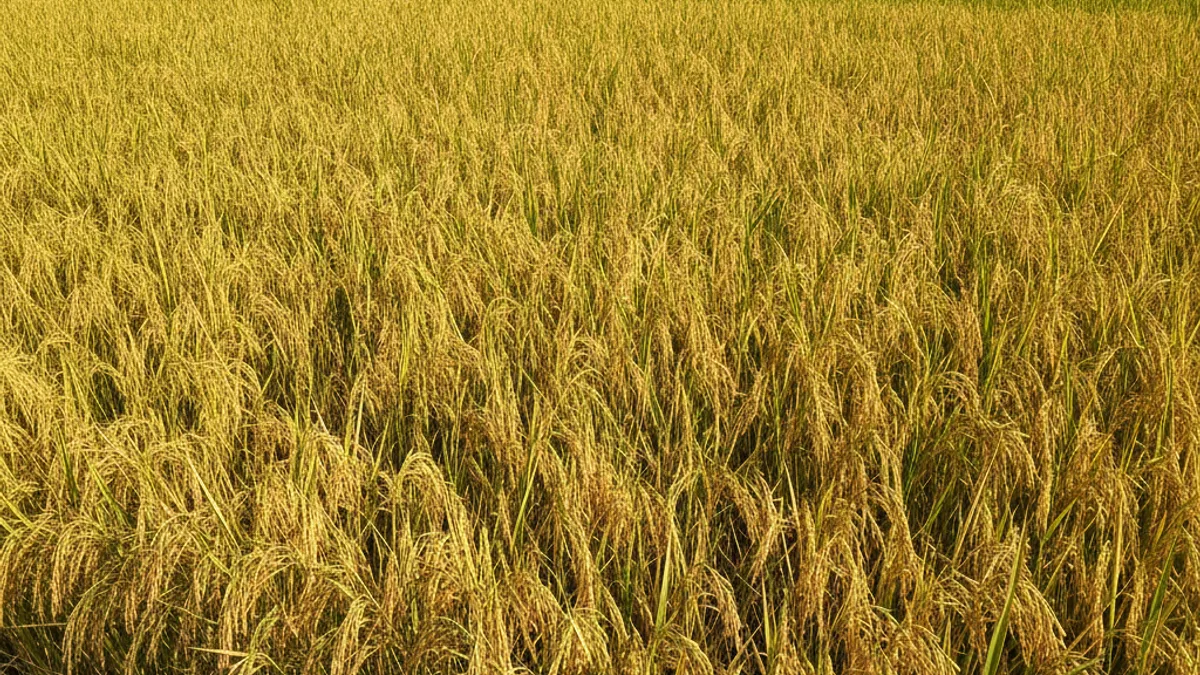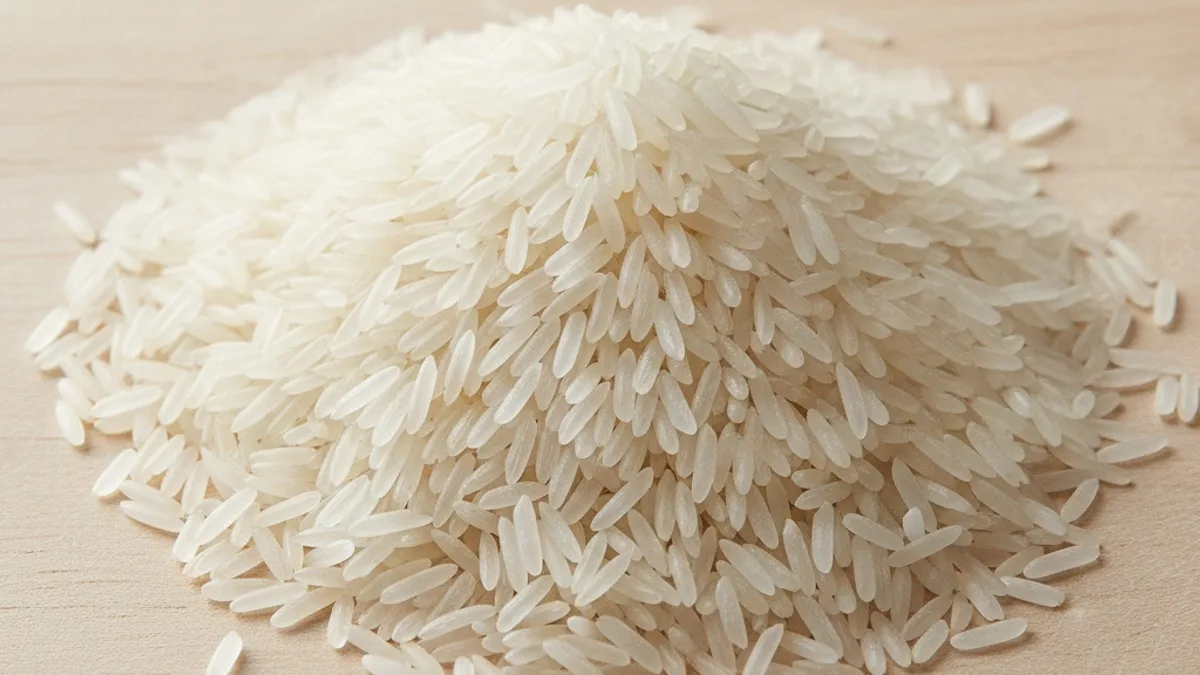
Basmati rice prices kept climbing through the second half of October, even though this season’s good monsoon points to a bigger harvest. Exporter and miller demand showed no sign of waiting for the new crop. Quotes for the main grades, including 1121 and 1509 Sella and Steam, firmed session after session with essentially no give-back, and by 28 October basmati paddy was trading above year-ago levels across the major varieties.
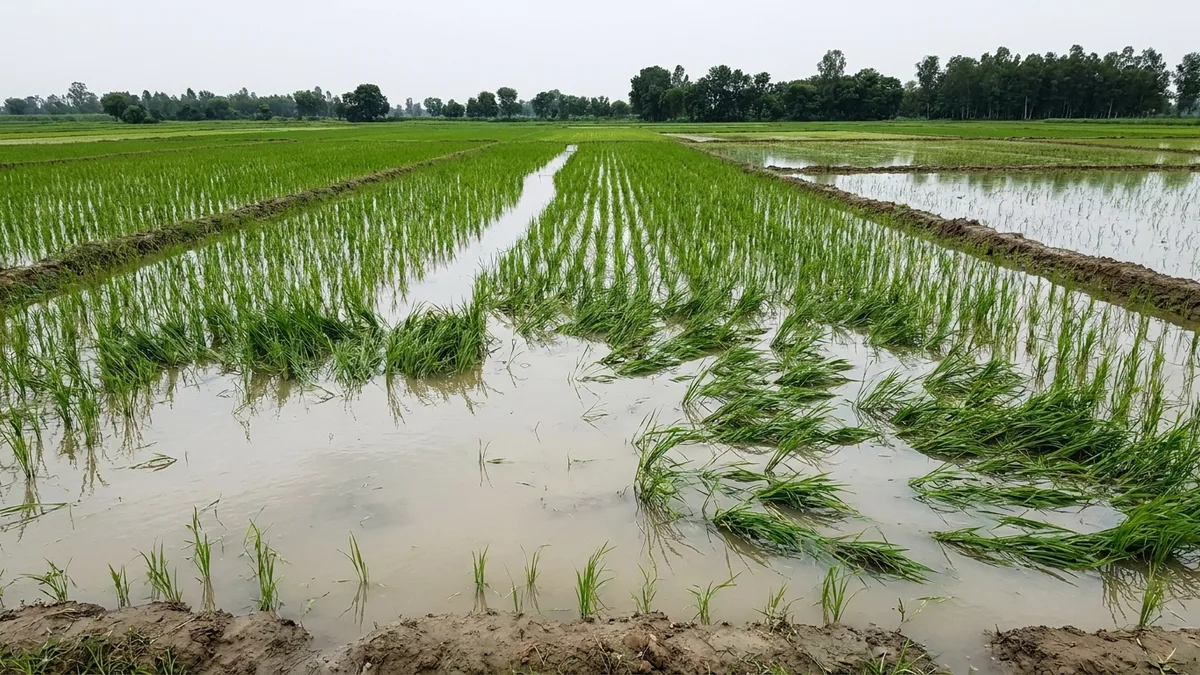
The prospect of more supply has not cooled that buying. In the basmati belt, the monsoon is expected to lift paddy output by 5% to 10% year on year. So far, the larger harvest has done nothing to slow a market that is still finding buyers willing to pay up.
Further south, the picture is very different. In Telangana, reservoir levels in the Krishna river basin are running at roughly 200 thousand million cubic feet against a normal 462, less than half the usual level. Authorities have advised growers to cut back paddy sowing for the coming season, a fairly severe regional constraint on non-basmati rice production.
India’s rice market is running on several regional tracks at once: a south short of water, and a northern basmati belt heading into a bigger harvest while its prices keep firming.
Read the full rice market analysis here.