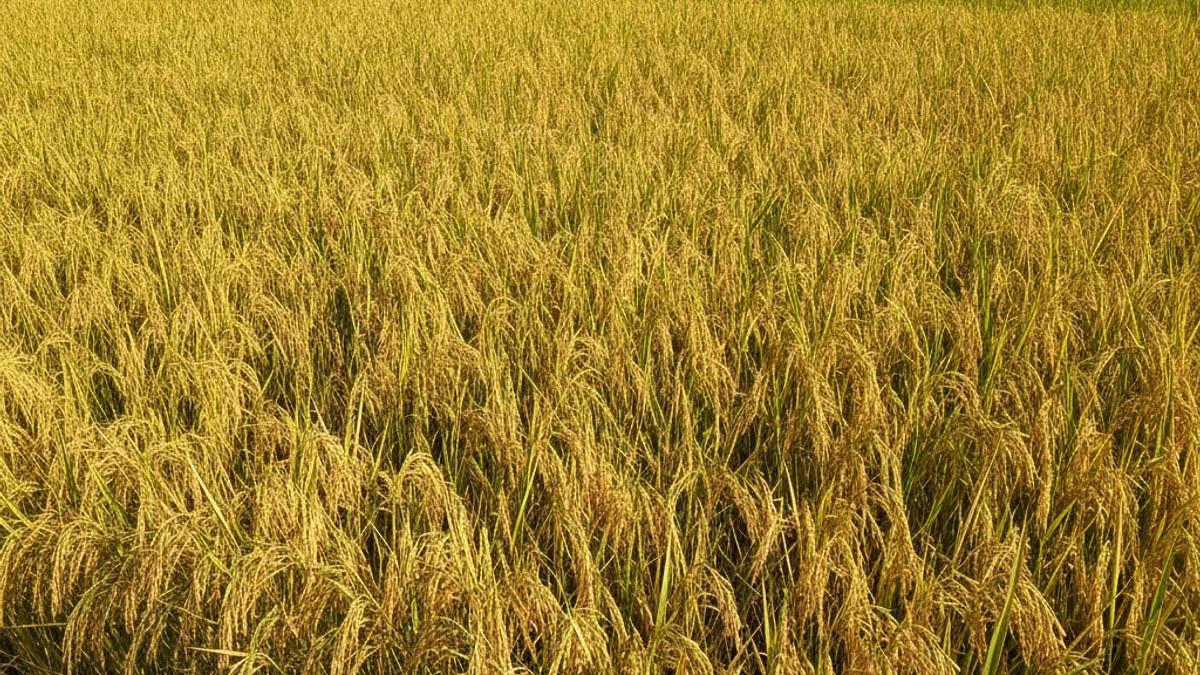


Indian basmati rice reversed course in the second half of September. New 1509 arrivals had pushed 1509 Sela from roughly $98.58 to $99.63 per quintal at the start of the month down to about $79.71 to $81.80 by 10 to 13 September, and traders were openly discussing another wave of harvest pressure in October. By 28 September, new Sela was quoted around $87.60 to $88.64 per quintal and Steam about $88.64 to $89.69.
The trigger was scarcity of old stock. Packers, millers and stockists all started buying the same new crop at once because very little old basmati was left to bridge the gap. Even while 1509 paddy arrivals were rising, with daily arrivals in the Haryana and Punjab belt at roughly 10 to 12 lakh bags around 22 September, packers were going directly into producing mandis and mills to secure material. That competition turned an apparently bearish harvest flow into a short-covering and restocking rally.
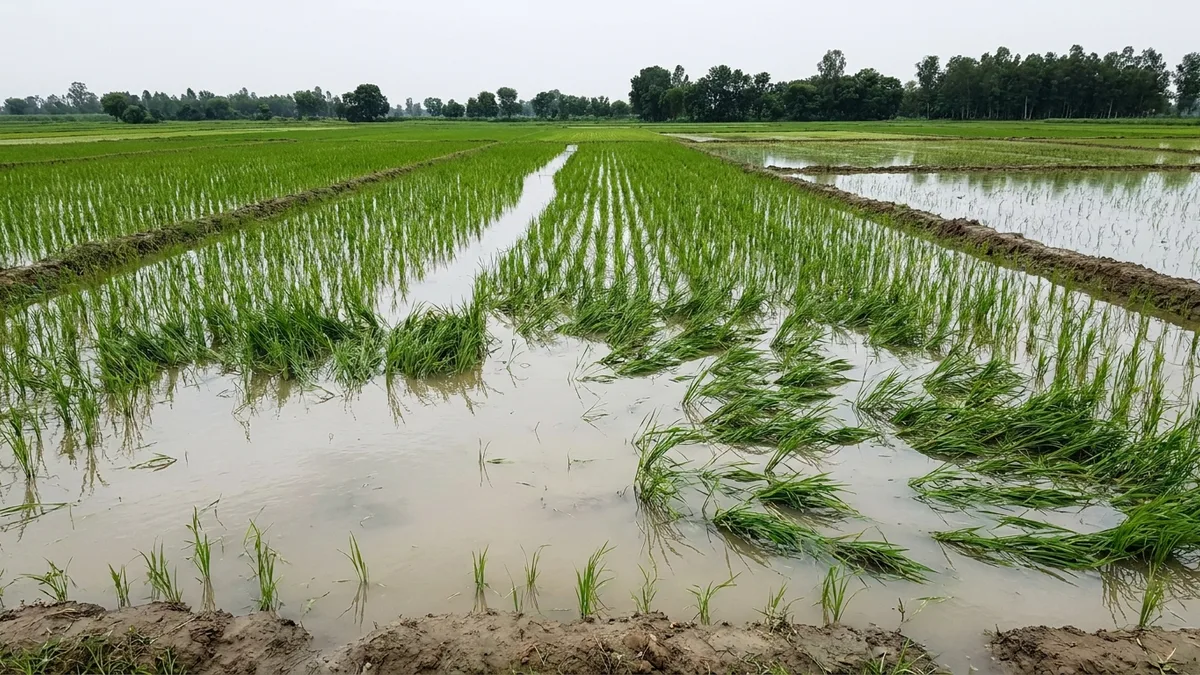
The wider crop picture is mixed. National paddy area was about 3.7% below a year earlier by 18 September, at roughly 42.93 million hectares, and rainfall from 1 June through 18 September ran around 15% below normal. Gujarat went the other way, with transplantation up 2.4% on the year. In South India, concern over lower acreage and rainfall supported premium varieties such as Sona Masuri, Ponni and BPT.
Government procurement adds another layer. The KMS 2026-27 paddy procurement target of 70.864 million tonnes reflects the lower acreage, and tighter milling specifications now cap the broken-grain share at 10% for raw rice, down from 25%, and 5% for parboiled rice, down from 16%. That raises commercial acceptance risks for millers. Central rice stocks are large enough to prevent a national availability crisis, but regional cash markets may still tighten when procurement timing and private demand overlap.
Traders expect the market to stay supported while packers complete their coverage. The harder test comes when 1401, 1409, 1121 and 1718 arrive in meaningful volume, which the trade expected roughly a fortnight after 22 September. The full report covers the paddy and finished-rice ranges by market and the retail price divergence between states.