No commodity in Vesper’s rice report moved through a more complete cycle this fortnight than basmati, which went from a multi-month high to a sharp correction and partway back again inside two weeks.
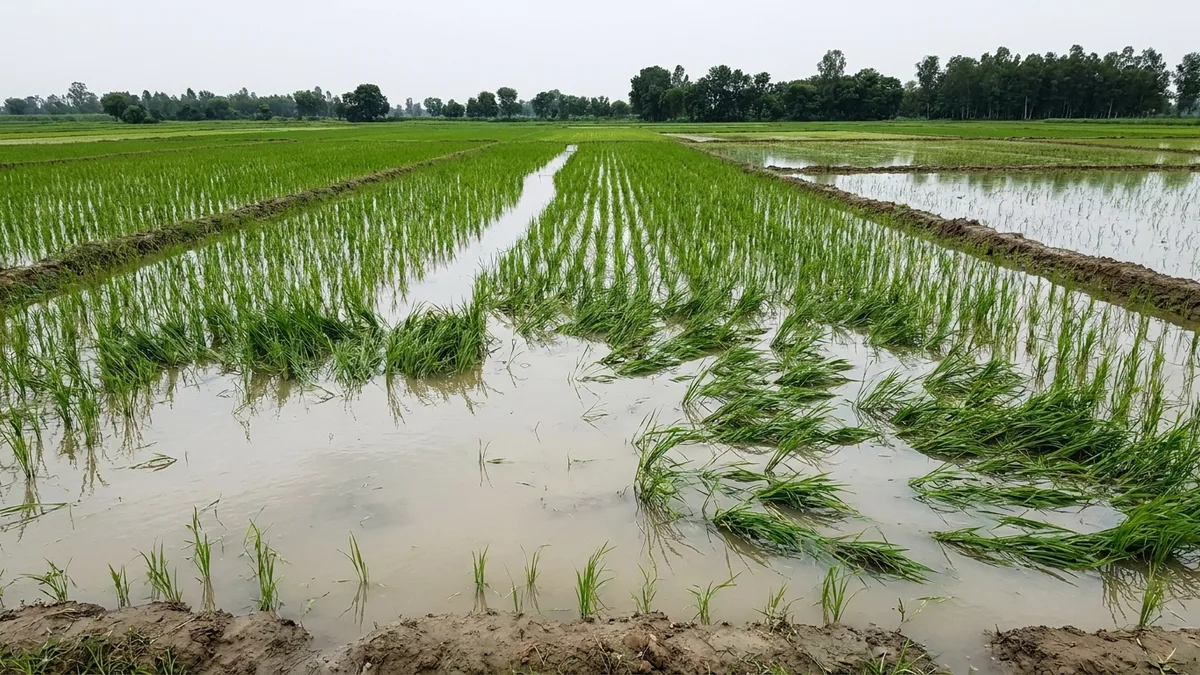
The fall came fast in early October. New 1509 paddy arrivals in Punjab and Haryana ran at 10 to 12 lakh bags a day, a flood traders partly blamed on one prominent Uttar Pradesh milling brand opening the season at an aggressively high sela price, which left stockists and mills holding costlier old material just as cheaper new-season stock arrived. Nationwide basmati paddy acreage is up at least 32 to 33% year on year, helped by this season’s crop escaping the flood damage that destroyed 40% of Punjab’s paddy a year earlier. One report concluded that the bullish case was finished.
It was not. Buying interest steadied the market within days and lifted it back in stages, in a near-replay of late September, when the discovery that old stock had all but vanished pulled packers and stockists into the same scramble at once.
Two things are keeping packers chasing fresh material. Procurement specifications now cap permitted broken grain at 10% for raw rice and 5% for parboiled, both materially tighter than before, and Punjab’s grain stock position is running well above storage capacity. India’s kharif rice acreage, meanwhile, was down 3.5% year on year as of 5 October.
Read the full rice market analysis here.