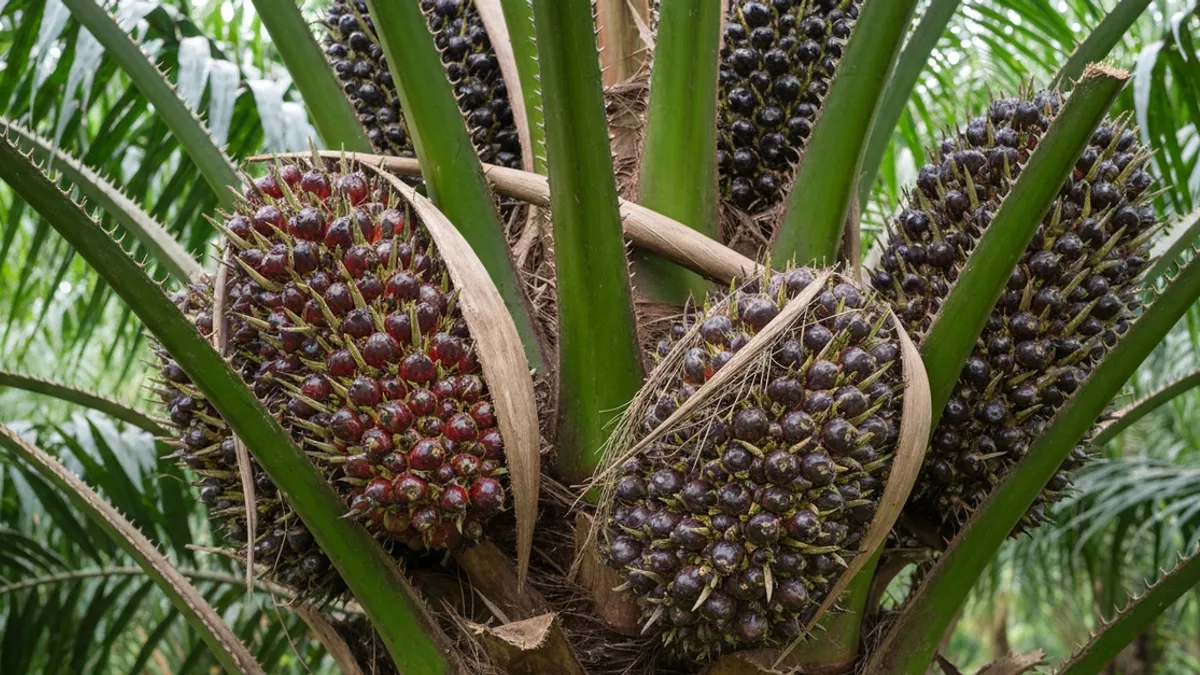


The Indonesian government announced a new export centralization policy for key commodities, including palm oil, effective June 1st, a measure aimed at addressing under-invoicing and boosting government revenue. The news arrived on an already-softening market: BMD crude palm oil futures declined to $1,117/mt from $1,142/mt the previous week, pressured additionally by a $12/barrel drop in Brent crude as US–Iran peace talks showed tentative progress.
The policy will roll out in two phases. During Phase 1, running from June 1st through at least December, companies can continue exporting independently but must report to a designated state-owned entity. Phase 2, currently scheduled for January 2027, would centralise all exports (approvals, contracts, customs, and payments) through the Indonesian government. Some sources suggest Phase 2 could begin as early as August. Reuters also reported that Indonesia is investigating two major exporters, Musim Mas and Wilmar International, for alleged invoice manipulation.
The near-term market impact has been immediate: palm fruit purchases at Indonesian palm gates fell sharply as producers avoided accumulating inventory in an uncertain regulatory environment. Malaysian exports also softened, with one surveyor reporting a 14.5% decline to 1.020 million tonnes during May 1–25 compared to the same April period. MPOA reported a 5.85% production decline across Malaysia in the first 20 days of May.
The Iran development drove the wider complex lower. CBOT soybean oil fell to 73.98 cents/lb, tracking the energy selloff. MATIF rapeseed oil eased to EUR 525/mt, though late frosts in Central and Eastern Europe and a MARS yield cut for EU rapeseed to 3.19 mt/ha provided some offsetting support. Sunflower oil slipped to $1,500/mt, where supply concerns offered a floor: EU+UK sunflower seed crush fell 23% month-on-month and 12% year-on-year in April to 339,000 tonnes, according to Fediol, and pesticide compliance issues continued to restrict Argentine and Ukrainian cargoes in European markets.
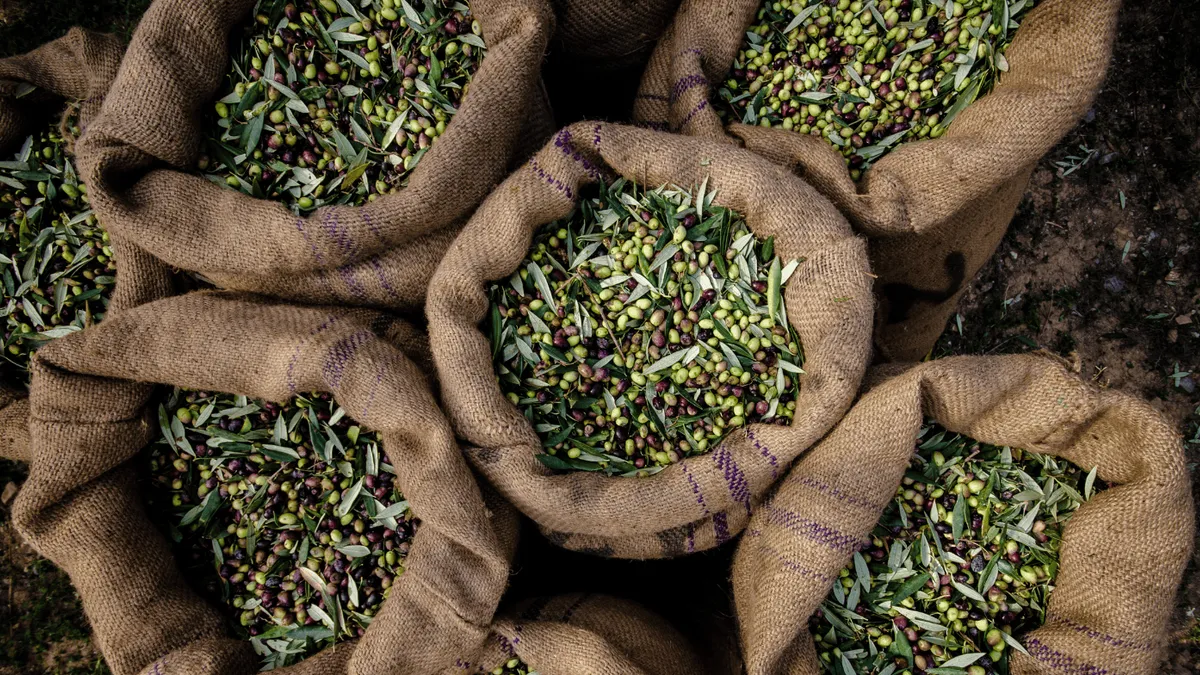
Coconut oil and palm kernel oil prices also eased, with improved supply at origin keeping downside sentiment in check. Olive oil prices continued to drift lower on weak consumer demand and ample expected new-crop availability from Spain.
The key near-term question for palm oil is how Phase 1 of the Indonesian policy develops in practice. Short-term shipping disruptions are plausible; the longer-term impact on investment and production is harder to call. For the full commodity-by-commodity outlook, read the complete Vesper report: https://app.vespertool.com/market-analysis/3026