

Container shortage and blanked sailings squeeze Indian exports
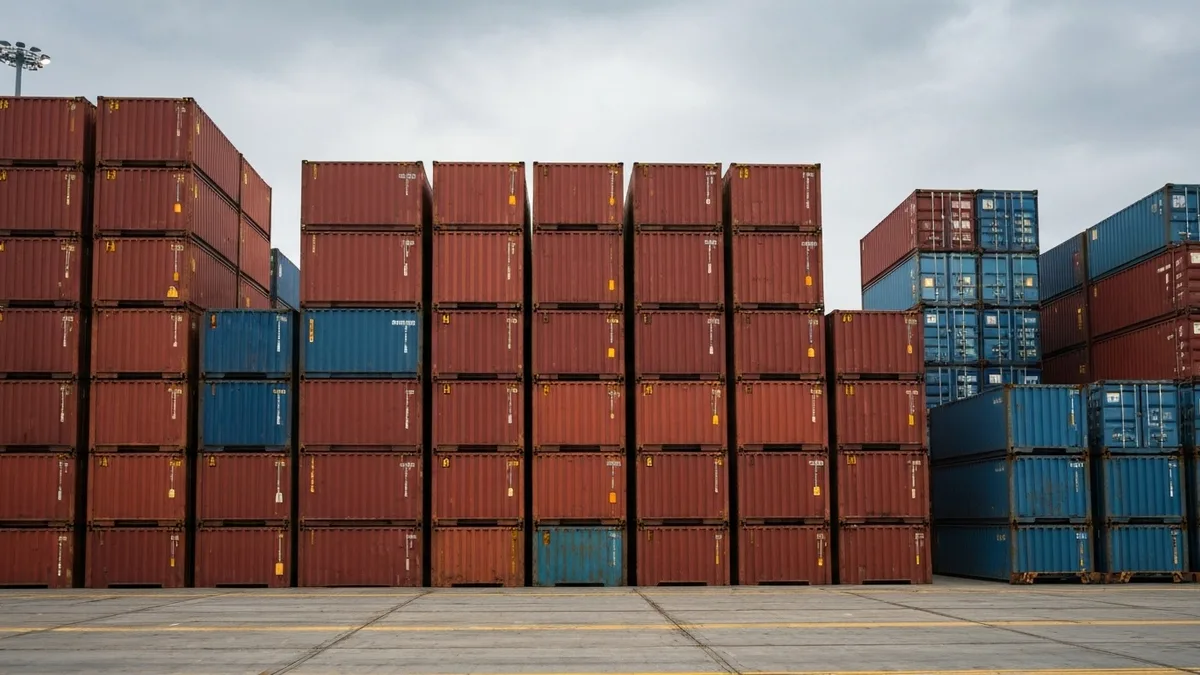
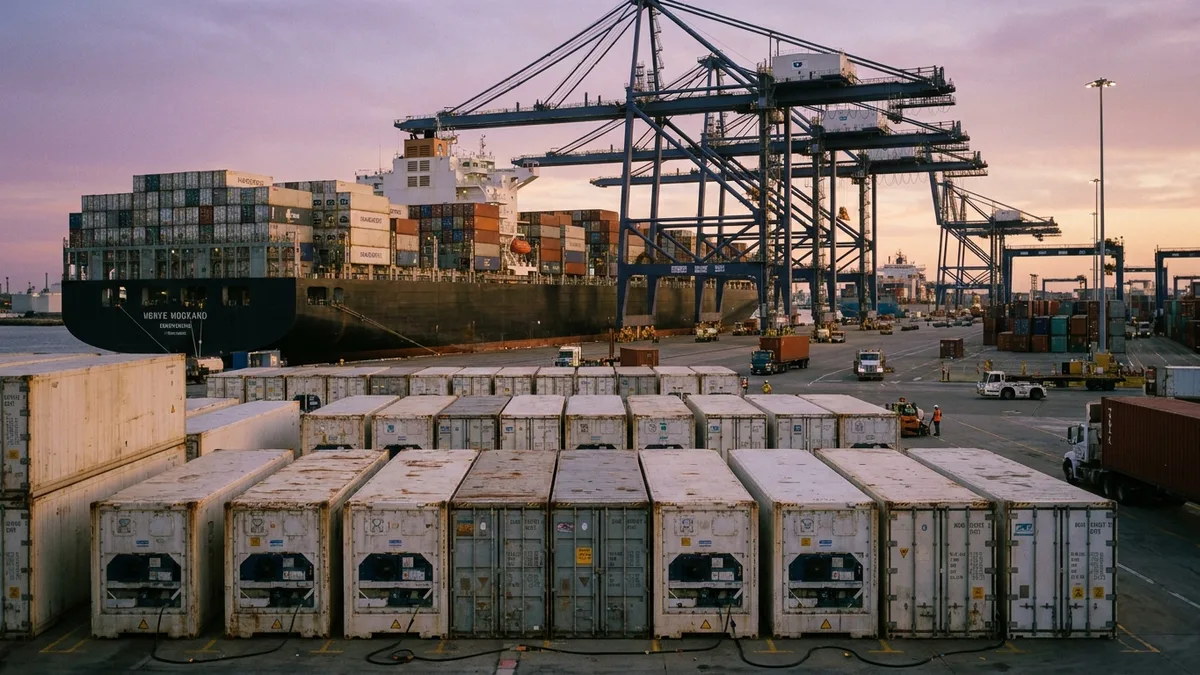
Ships out of India are barely taking cargo for the second half of July, according to freight analyst Shypple, and surcharges on the route keep climbing. The bottleneck comes from two things at once: a shortage of 40-foot high-cube containers at inland points, and carriers actively blanking sailings, with MSC skipping some North India port calls. Nhava Sheva, near Mumbai, is now among the worst-hit ports in the world, and Mundra has thousands of containers stranded behind delayed freight trains.
Fresh produce and container rates feel the squeeze
The squeeze is already reaching fresh produce. Congestion at Mundra is delaying onion shipments from Nashik to the Gulf and South-East Asia, pushing up storage costs for shippers of perishable goods. CMA CGM tripled its peak season surcharge from the Indian subcontinent to Europe in a week, from $500 to $1,500 per container.
Blank sailings are now a permanent feature, not a demand signal
Zoom out, and the India squeeze is part of a bigger shift. Blank sailings, where a carrier simply drops a scheduled sailing, are running at 10 to 14% of capacity across the industry, and analyst Sea-Intelligence calls this a permanent feature of how carriers manage their networks now, not a response to weak demand. On the main Asia-to-North-Europe route, blanked capacity has grown 83% since 2019 while the fleet itself grew only 20%. Carriers protect their core east-west lanes first, cutting regional and feeder services when capacity needs to come out.
What shippers should expect week by week
For shippers, the practical read is a week-by-week one. Early August looks like the best window, with the most available space and flexible pricing. The week of August 10 to 16 looks tightest, with carriers advising bookings at least seven days out. The following week, North Europe space tightens further as the Ocean Alliance blanks a sailing, making carriers that hold their fixed schedules, MSC and Maersk among them, the safer bet.
Add in fresh Rhine low-water surcharges on German ports and rising road fuel surcharges in the Netherlands and Belgium, and the pattern across freight this summer is the same: less predictability, more surcharges, and a premium on booking early.
For real-time freight and logistics data, visit: app.vespertool.com