

US broiler industry growth is slowing, and the clearest sign yet came in USDA-NASS’s latest Broiler Hatchery report: just under 251 million eggs were placed in incubators the week before, the smallest weekly total so far in 2026 and only 0.6% above the same week last year. Looking at the past six weeks, egg sets are still running 1.4% ahead of last year and chick placements 1% ahead, so bird numbers should stay in surplus through the fall even as the pace of growth eases, according to LEAP Market Analytics.
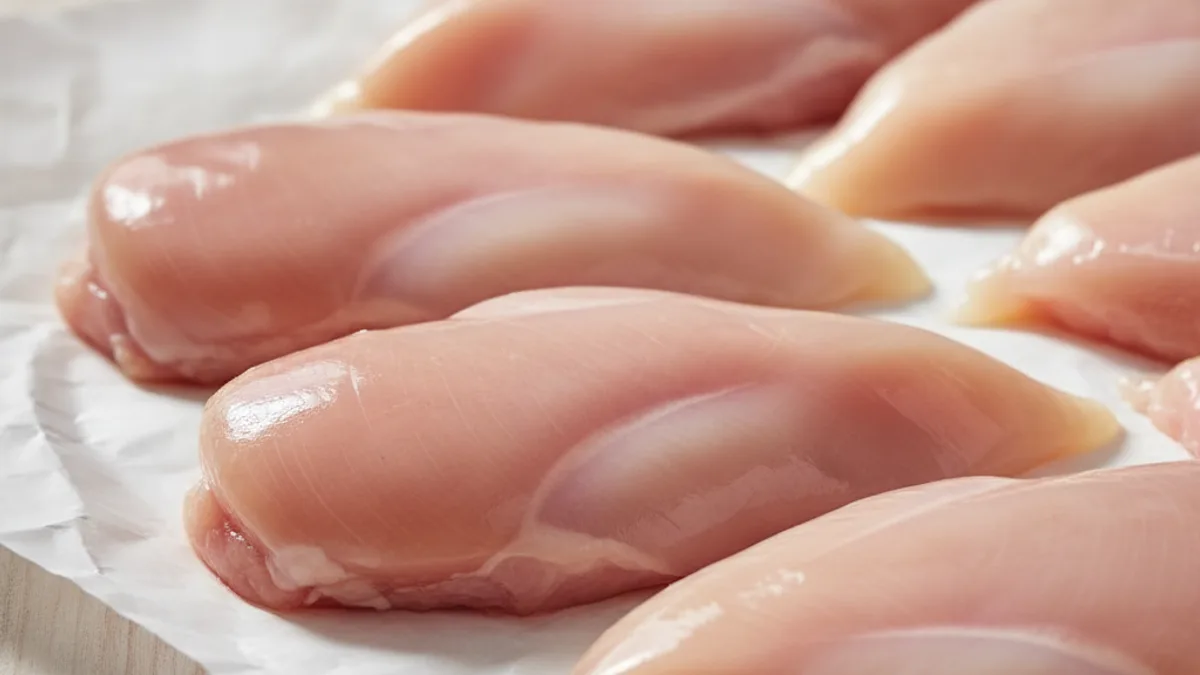
The bigger swing is on the demand side, and it’s concentrated in white meat. Wholesale spot prices for boneless skinless breast have stabilised in the low $1.20s a pound, a level LEAP says implies one of the weakest demand periods in this category since at least 2018-19, and possibly since 2011-12. Retail prices haven’t followed wholesale down: Bureau of Labor Statistics data puts the average retail price for boneless skinless breast at $4.15 a pound in July, only slightly below June’s $4.18 and last year’s $4.20, and still well under the all-time high of $4.75 set in September 2022. Retail food sales actually fell 0.6% year on year in July while foodservice sales rose 0.5%, which LEAP reads as evidence that retailers are cutting prices to compete for increasingly price-conscious shoppers while restaurants keep raising prices even as traffic slows.
Tenderloins are in worse shape still, and more exposed to foodservice demand than breast meat is. Wholesale tenderloin prices averaged just below $1.20 a pound last week, the first time below that level since December 2023, with some jumbo tenders trading around $1 or lower. Demand-index readings for tenderloins have fallen deep into slump territory against their historical average. There is a counterpoint, though: real per-capita retail chicken spending is holding up far better than wholesale prices suggest, meaning retailers and restaurants are currently capturing an unusually large share of the total margin in the supply chain. LEAP expects that gap to correct in the coming months, a dynamic it sees supporting firmer broiler prices heading into 2027.