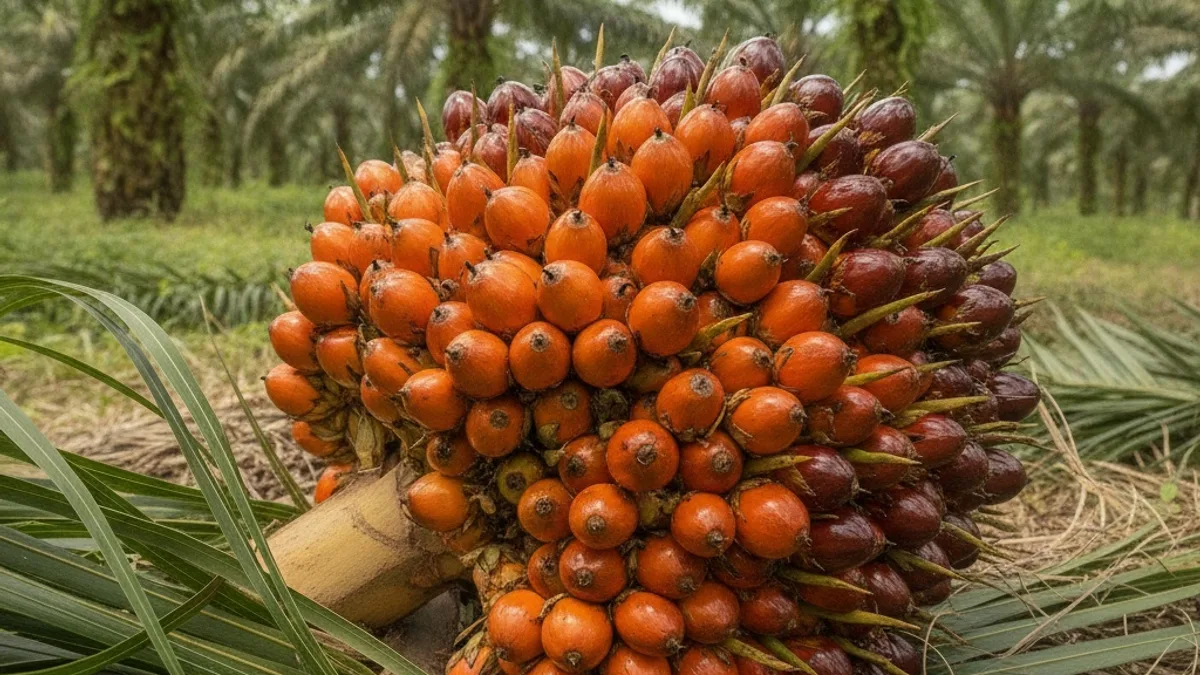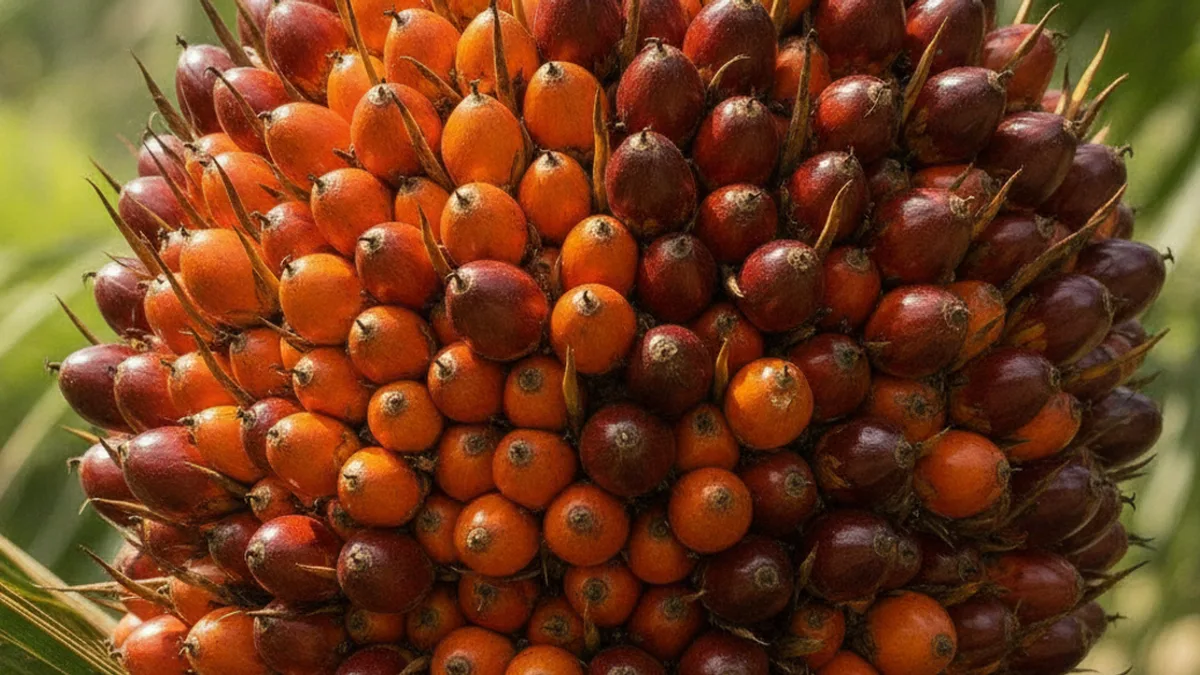


BMD crude palm oil rebounded from last week’s lows, with the November contract at MYR 4,498/mt against MYR 4,480/mt a week earlier and the rest of the curve following. Gehrman Kosenkov, who writes Vesper’s weekly oils and fats analysis, says funds seem to have found the bottom, and Indian buyers stepped in to buy more palm oil at better prices while sunflower oil runs short and soybean oil production declines seasonally.
The market had already priced in high Malaysian stocks of 3.511 mmt, up 24.5% on the month according to the MPOB, along with the disappointment that the expected abolition of Malaysia’s export tax did not happen. Malaysian shipments for October 1 to 10 were up 33.5% on the same period in September, and Thomas Mielke of Oil World expects stocks to decline quickly in the coming months. In Indonesia, August ending stocks dropped by almost 20% to 2.214 mmt, a historically low level.
India’s sunflower gap
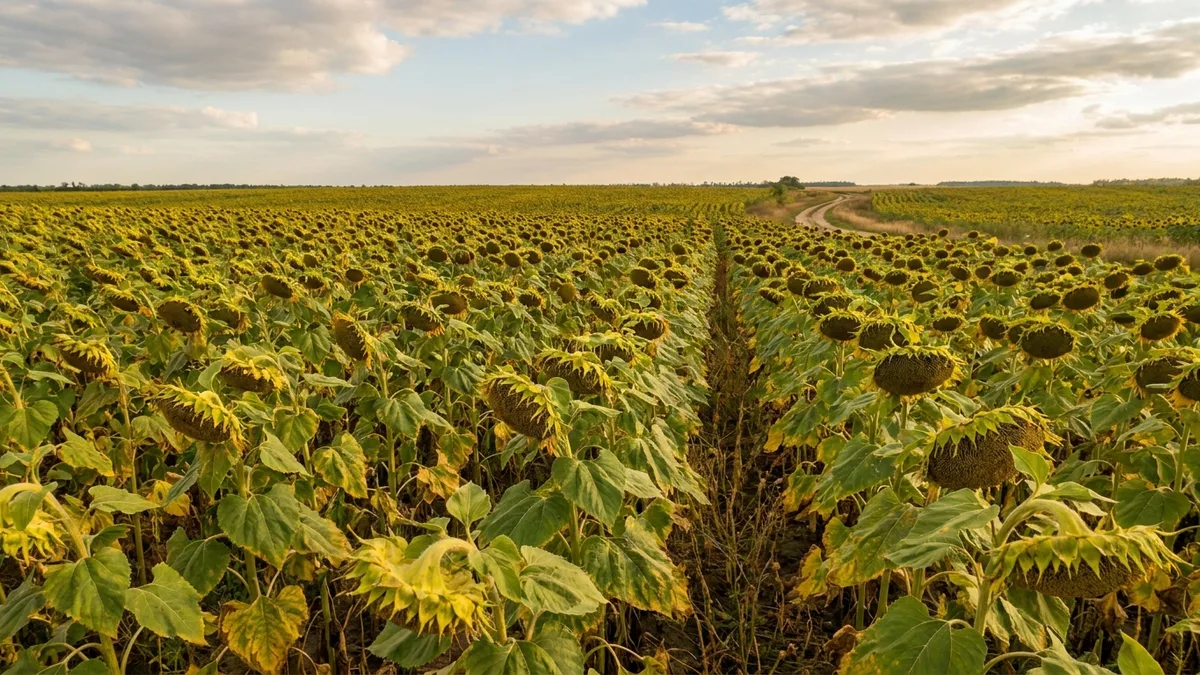
India imports almost all of the roughly 250,000 tonnes of sunflower oil it needs each month, and Reuters reports that October arrivals could fall to 160,000 tonnes because loading from northern Russian ports adds time and cost. One 20,000-tonne cargo bound for India was washed out and 60,000 tonnes of shipments were delayed. With stocks already depleted by below-average imports and festival demand ahead, India has been turning more to palm oil.
The shortfall is wider than India. Oil World puts the Black Sea sunflower oil gap at 300,000 to 350,000 mt a month, and Vesper’s partner RKS Globus says Argentina may not be able to fill it: September seed stocks were 1.139 million tonnes against 1.506 million a year earlier, despite a record 7.4 million tonne crop. Prices rose about 3.6% on the week while hopes for a Black Sea ceasefire fade.
The rest of the complex
CBOT soybean oil slipped to 68.63 US cents/lb from 69.91 despite sharply rising energy prices, while the USDA raised its US soybean crop estimate to 4.562 billion bushels. MATIF rapeseed fell to EUR 517/mt from EUR 538/mt, and crude rapeseed oil edged up about 0.6%. Palm kernel oil followed palm higher, coconut oil weakened, and Spanish olive oil eased about 4.7% ahead of strong production at key origins.
Gehrman sees the Middle East and the Black Sea as the swing factors for palm in Q4. The full analysis carries his quarter-by-quarter outlook for every oil in the complex.