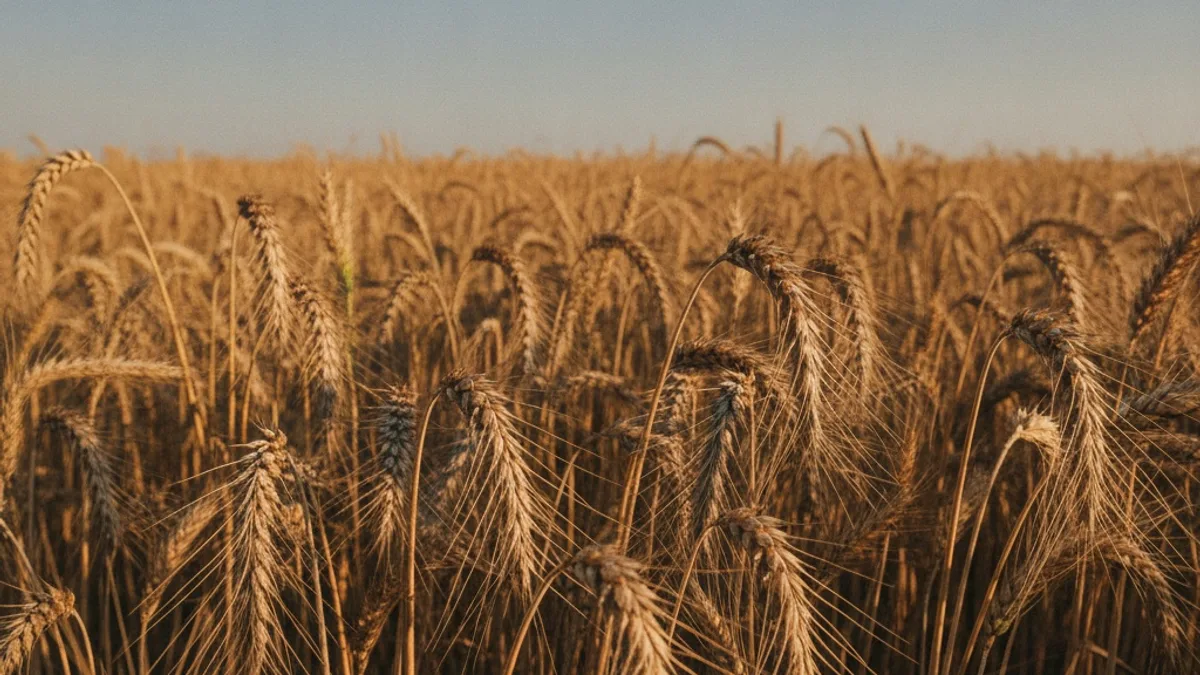


Europe’s drought has dropped major waterways low enough to expose “hunger stones,” markers carved into riverbeds by past generations to record historic droughts. One of the more famous stones, dating to 1904, carries the inscription “Wenn du mich siehst, dann weine”: if you see me, then weep. It’s a fitting image for a season in which low river levels are already showing up in the numbers that matter to buyers: more barges are needed to move the same volume of freight because loads must be lightened for shallow water, and crop yields are falling under persistent heat.
Eurozone inflation accelerated to 2.9% year on year in July, up from 2.8% in June, with preliminary Eurostat data pointing partly to higher energy costs tied to the ongoing Middle East conflict and to diesel pricing affected by the Russia-Ukraine war. Core inflation, which strips out food and energy, still climbed to 2.5%. The print raises the odds of an additional European Central Bank rate hike next month.
Energy markets are carrying their own tension into the picture. US diesel prices are up 8% over the past month as President Trump announced what he called “economic war” against Iran, threatening the “most crushing economic operation ever” nearly six months into the conflict. Product markets are already strained from damaged Middle East refineries, reduced Russian refining capacity after sustained drone attacks, and now the low Rhine levels slowing the inland flow of fuel from Rotterdam, Amsterdam and Antwerp into Germany and Switzerland.
The US Federal Reserve held its benchmark rate at 3.5% to 3.75% in July, though meeting minutes showed growing concern that inflation persistently above the 2% target for five years running could start feeding into wage and price-setting decisions across the economy, making it harder to bring down. US payrolls fell by 23,000 in July, with the prior two months revised lower, a signal the labor market may be cooling faster than expected even as prices stay sticky.
China’s growth, meanwhile, is leaning almost entirely on exports and technology: industrial output grew 4.5% year on year in July, down from 5.3% in June, while fixed asset investment contracted 6.7%, a steeper decline than June’s 5.7% drop, as the country’s property sector overhang continues to weigh on the broader economy.