

CBOT crude soybean oil dropped to 67.13 US cents a pound for the September contract, down from 71.4 cents a week earlier, after word that the US Environmental Protection Agency might grant refiners more exemptions from biofuel blending rules, extend their compliance deadline, or lower the 2026 biomass-based diesel mandate below the 5.61 billion gallons currently proposed. Any of those would cut demand for the soybean oil used to make renewable diesel, and traders moved first and asked questions later. The move landed in an already well-supplied market: last week’s Pro Farmer crop tour projected a US soybean harvest even larger than the USDA’s already record forecast.
Rapeseed oil fell with it. MATIF rapeseed for November tumbled to €522 a tonne from €549, and ICE canola dropped to 771 Canadian dollars a tonne from 827, as the same EPA uncertainty spread across the biofuel feedstock complex and a separate US-Canada trade dispute added its own pressure. Canadian Prime Minister Mark Carney suspended trade talks with Washington and called the standoff a trade war after the US imposed a 50% tariff on Canadian cars, trucks and steel; the market is watching whether canola gets pulled into that fight next. If it does, Canada would need to export more raw canola rather than crush it into oil for the US market.
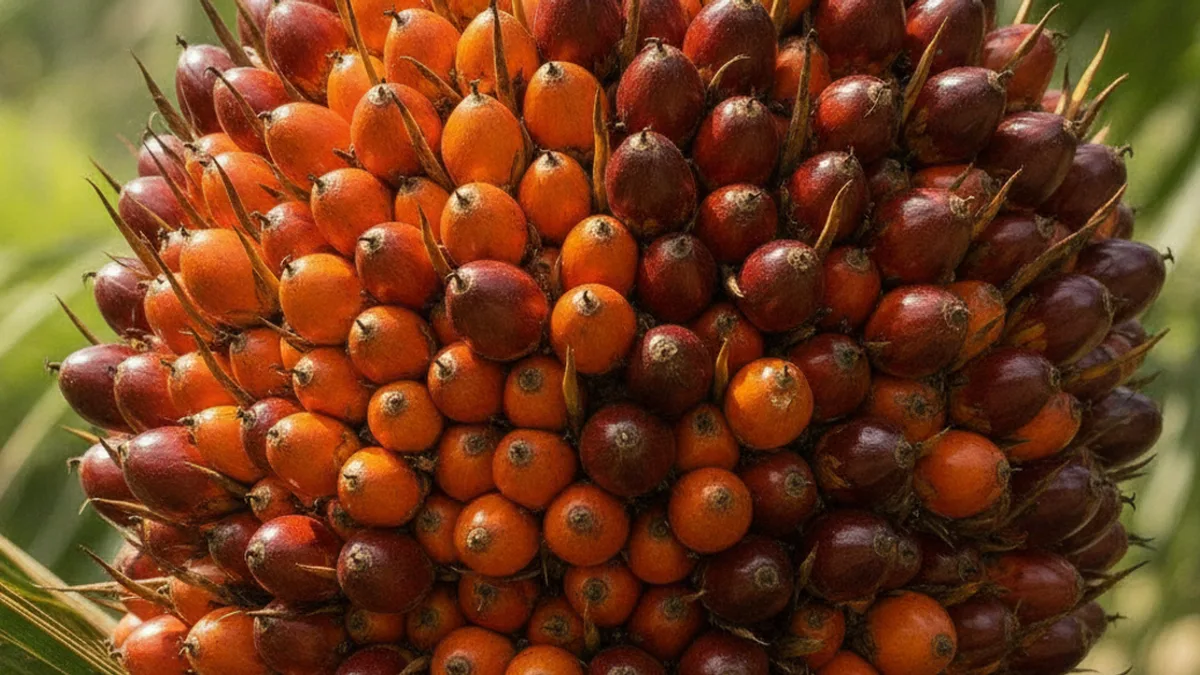
Palm oil moved the other way, though it’s cooling from a run higher. BMD crude palm oil for November climbed to 4,946 Malaysian ringgit a tonne from 4,821 the week before, but prices have started to correct as the market looks for where consolidation takes place. Malaysian shipments for August 1 to 25 came in 20% below the same period in July, even as funds kept buying. Strong Brent crude, unresolved Black Sea sunflower oil export issues, El Niño weather risk and Indonesia’s B50 biodiesel mandate are still giving BMD a floor underneath the correction.
Sunflower oil held closer to steady, edging up to $1,445 a tonne for October from $1,420, as Black Sea shipping talks continue without a resolution buyers can act on yet. Some crushers have stopped operations and low Danube water levels are limiting the alternative export route, but buyers appear willing to wait rather than chase the market, at least for now.