

Dairy markets are being pulled in two directions at once. Butter is stuck with a stubborn surplus across Europe, the US and New Zealand, all producing more than they can sell domestically, while SMP has swung the other way, tightening fast as protein demand outpaces supply.
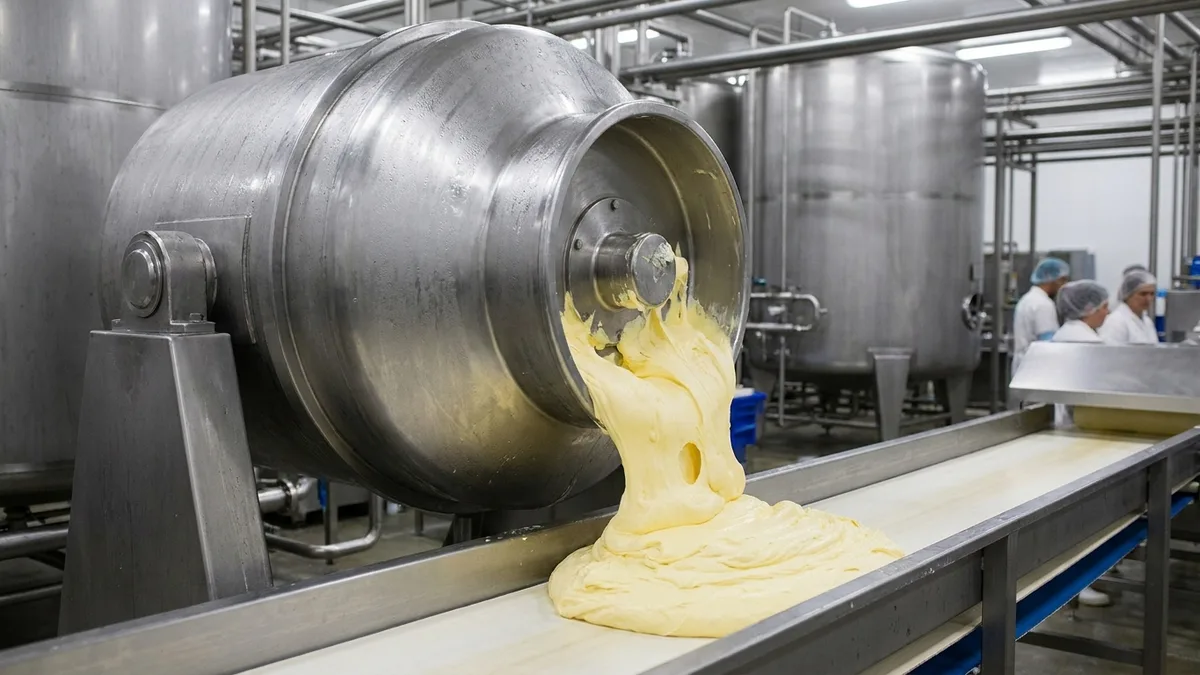
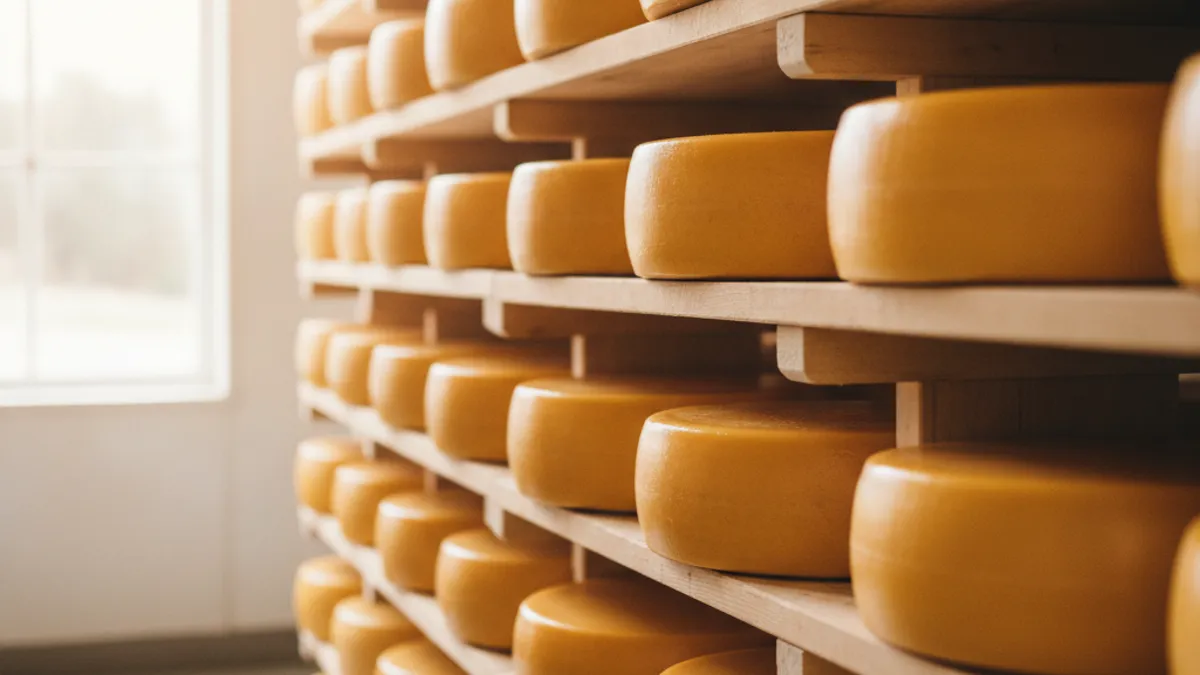
Butter prices have fallen by roughly 40% over the past year, and there’s little reason to expect a quick reversal. Production has climbed in every major region, cold storage stocks are catching up with last year’s levels in the US, and New Zealand’s milk output keeps butter availability ample even with healthy demand out of Asia. A brief pop in European cream prices lifted the cost of making fresh butter recently, but with so much butter sitting on the shelf below that level, the market has stayed capped. The one area to watch is fresh butter, which may firm a touch more than frozen, but the broader picture across regions is stability at a low level.
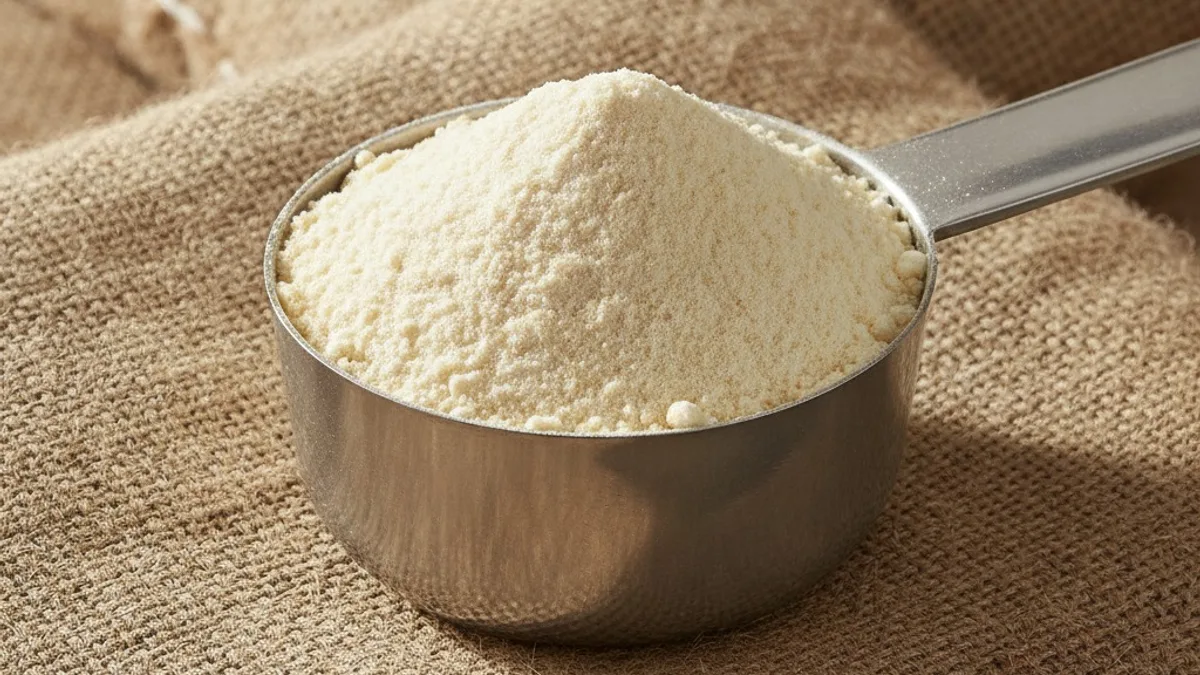
Protein tells the opposite story. SMP has climbed by roughly a third to more than 40%, depending on the region, over the same period, as supply and demand pressures hit at the same time. US milk dryers are being starved of raw material, with more milk diverted into other protein products such as MPC, ultrafiltered milk and condensed milk instead of SMP. That’s pushed US prices well above the rest of the world. Europe has its own supply pressure too: raw milk output has slipped on higher temperatures, and the margin between skim milk concentrate and SMP has all but disappeared. Buyers, sensing prices may only move higher from here, have piled into the market to secure coverage, though whether the underlying milk supply is genuinely tight is still an open question.
WMP sits in between. Global prices are firming modestly, and New Zealand WMP now trades close to parity with SMP, an unusual setup that reflects strong SMP demand more than any pickup in WMP demand itself. European WMP continues to command a premium, but that’s less about buyers wanting WMP and more about producers preferring to make butter and SMP instead.
The bigger question is what all this means for milk itself. Output volumes over the next three months should decide where the wider dairy market lands, and whatever happens to protein payouts now could shape the industry’s economics for a long time to come.