

Egg prices are falling in both Europe and the US, but the forces behind the move could hardly be more different.
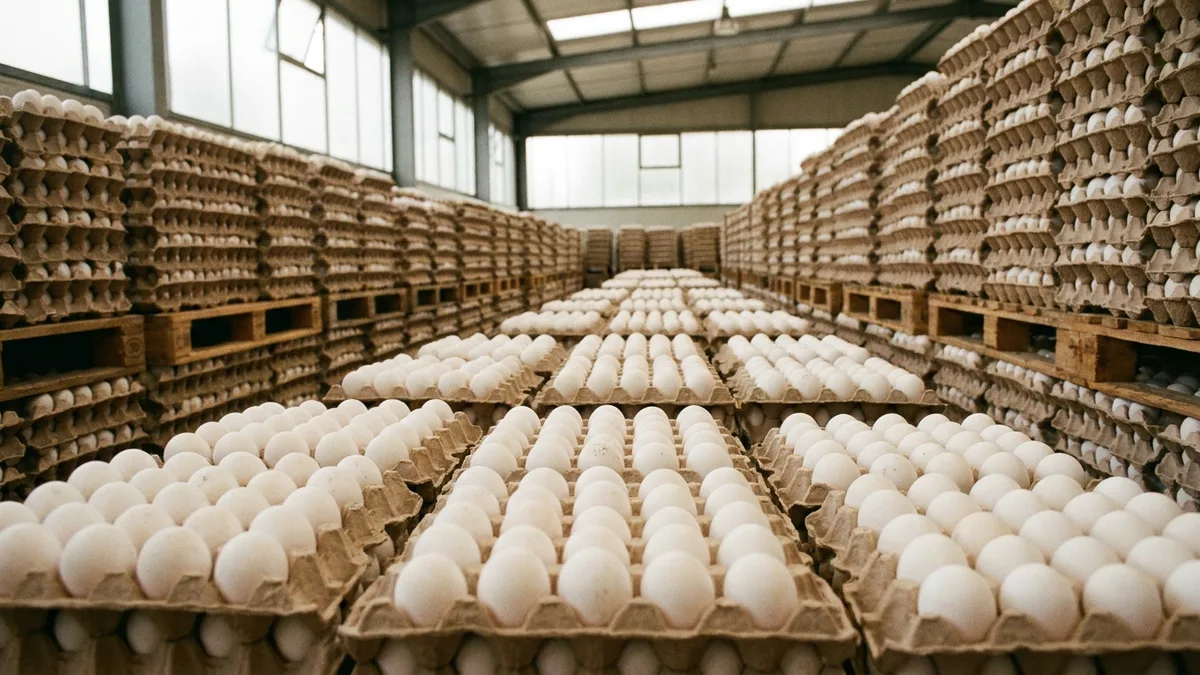
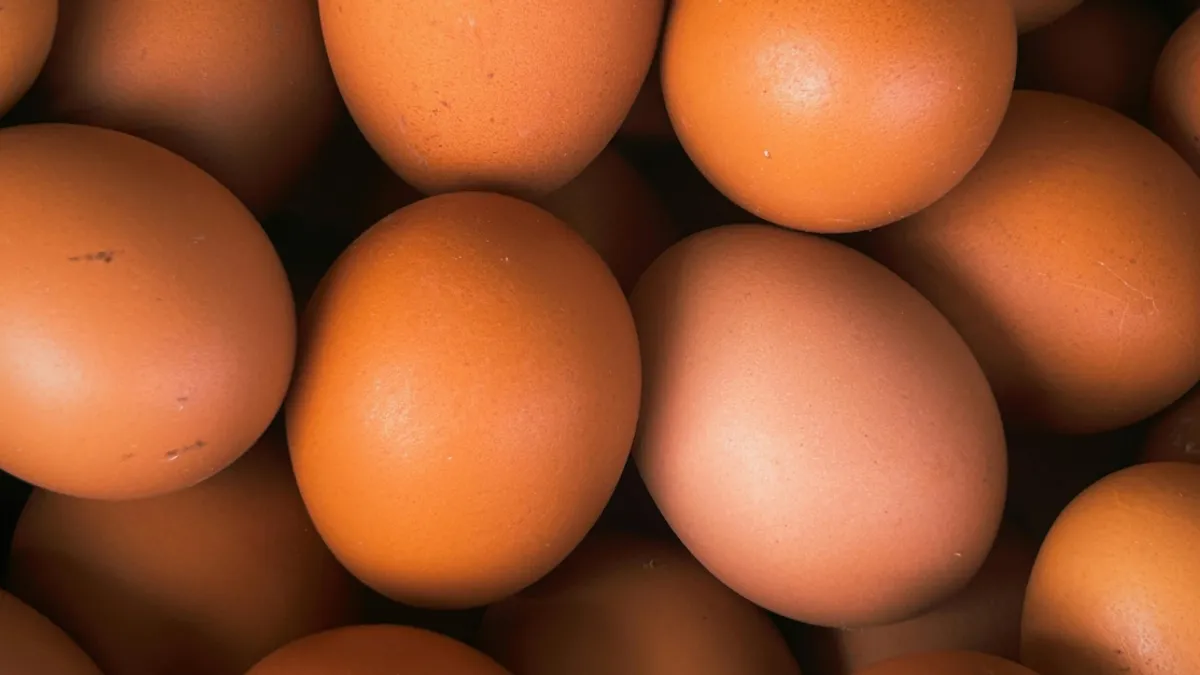
In Europe, the market has split in two. Caged and non-certified barn eggs are under the most visible pressure, with a flood of cheap, uncertified supply from Eastern Europe pushing prices lower. Over the week to 11 June, EU caged egg prices eased almost 3%, barn fell nearly 11%, and free-range dropped close to 14%. Polish production continues to undercut domestic producers in German and Dutch wholesale channels. At the same time, KAT-certified, free-range, and organic eggs remain critically short, with available volume largely pre-committed and effectively unavailable for spot purchase.
The US is a story of recovery outpacing demand. The layer flock has rebuilt to 302.3 million birds, a near-full recovery from earlier HPAI losses, and shell egg inventories are building. National wholesale prices for large caged white eggs fell more than 19% on the week to 10 June, according to USDA data. Many foodservice and industrial buyers who switched to liquid and processed products during the 2025-26 scarcity have not returned to shell eggs, leaving wholesale demand well below its long-run average.
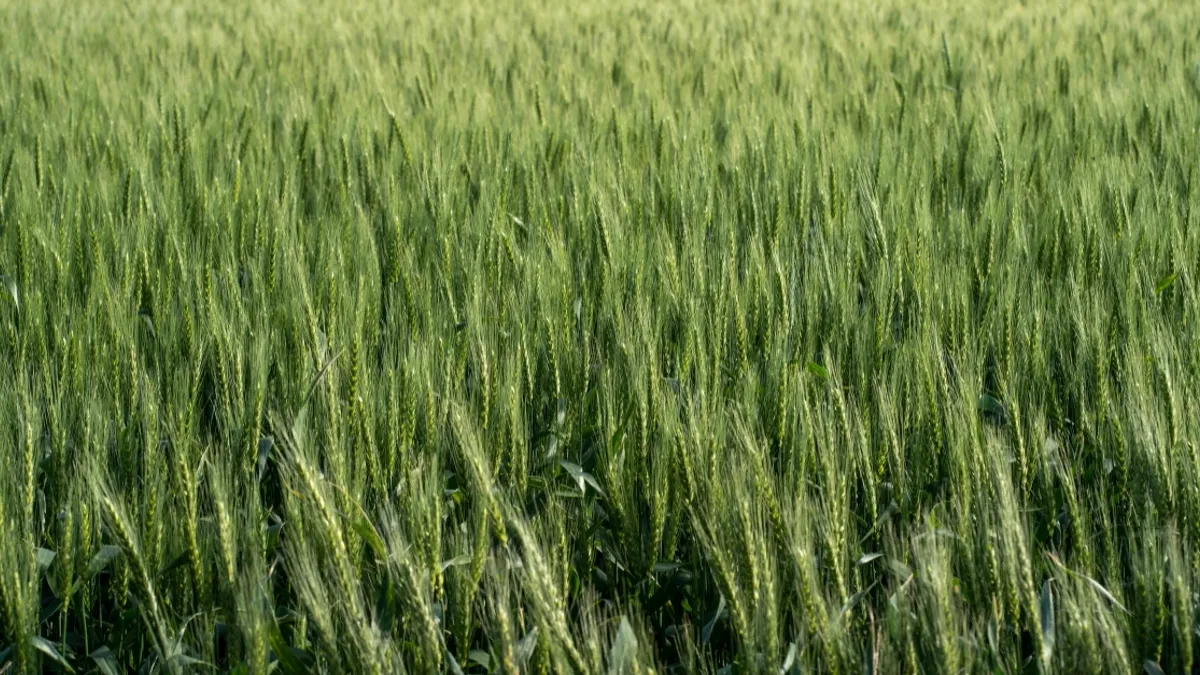
Feed costs are easing on both sides. Corn and soybean meal have moved lower on bumper South American harvests and a well-planted US crop, offering some margin relief at a moment when producers have little pricing power.
Disease pressure has eased seasonally, though cumulative flock losses this year already exceed 2025 totals and will weigh on supply into autumn.