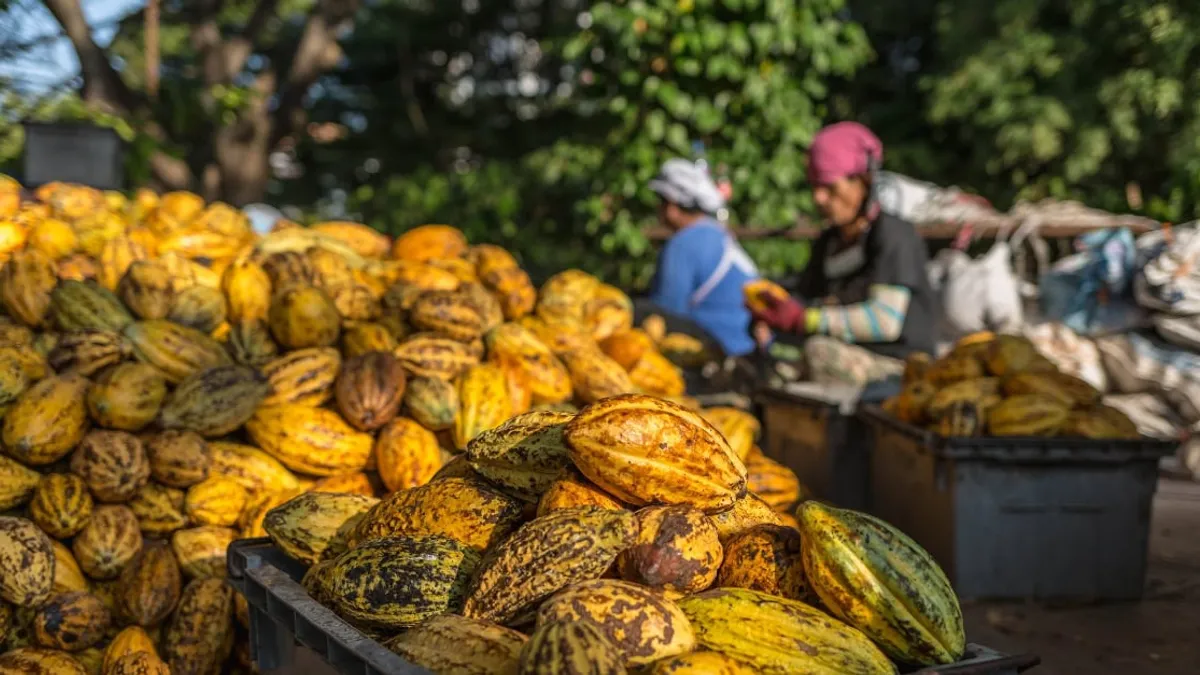


Cocoa prices fell over the past week as supportive West African weather and a jump in Ivory Coast arrivals shifted attention to near-term abundance. ICE EU cocoa dropped 6% to 2,940 GBP/t for the front-month July contract, and ICE US fell 6% to 3,831 USD/t.
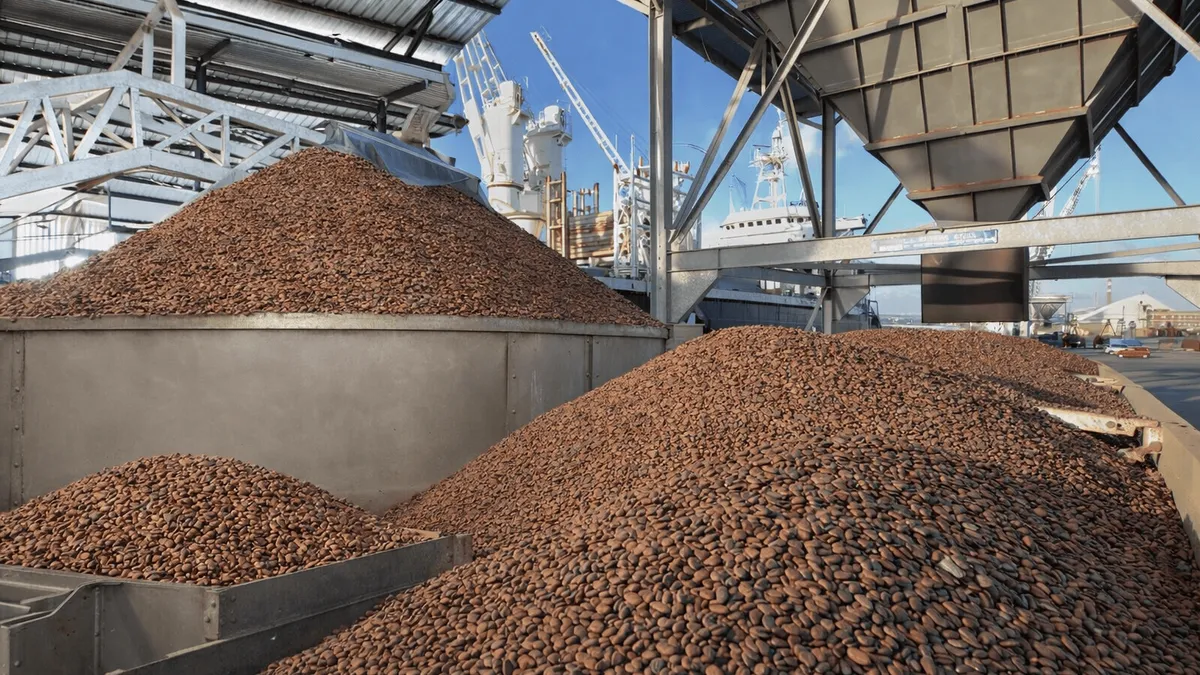
Arrivals at Ivory Coast ports reached 1.822 million tonnes by 7 June, running 11% ahead of the same point last season. That pace has firmed expectations for a strong finish to the mid-crop. Rains in both Ivory Coast and Ghana have stayed well above last year’s levels, supportive of crop development, though heavy rain has raised some questions about drying windows and bean quality that are not yet confirmed.
A data dispute added to the bearish tone. The Ivorian government put unsold inventories above 350 KT, implying a 2025/26 crop near 1.7 million tonnes, well above the Conseil Café-Cacao’s estimate of 123 KT and a 1.3 million tonne crop. The gap highlights how hard actual supply is to pin down, and the prospect of more availability has kept a lid on prices. For 2026/27, Ivory Coast has slowed its sales pace and suspended forward selling, citing El Niño risk, and has added a premium on further sales.
Funds have leaned into the move, switching from short-covering to building a net short of 29,512 lots across both markets. On the demand side, cocoa mass and butter followed beans lower, each off more than 5% on the month, while cocoa powder rose 14% on the week.
Vesper notes that Q4 risk has not disappeared, with Barry Callebaut flagging El Niño effects that should become clearer by late June and July.
For the full cocoa analysis, visit: https://app.vespertool.com/market-analysis/3084?commodity=cocoa