
Brent crude dropped to $72 per barrel on June 26 from $80 a week earlier, then weekend strikes between the US and Iran pushed it back to $73 before both sides agreed to halt and keep negotiating. Vegetable oils barely followed the energy market down.
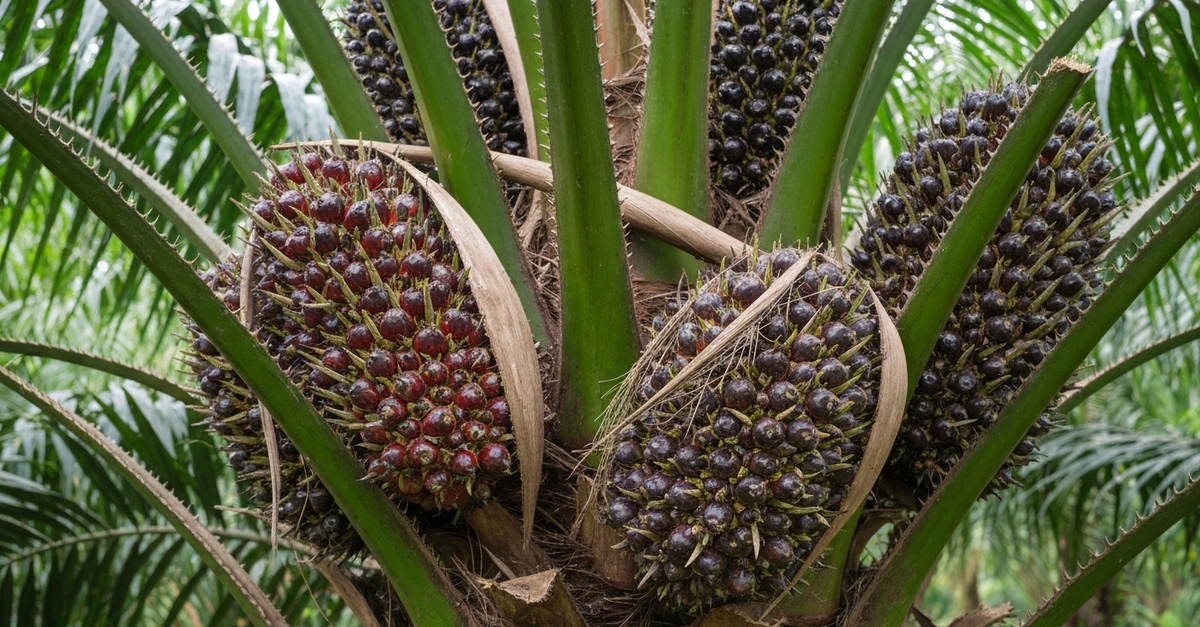
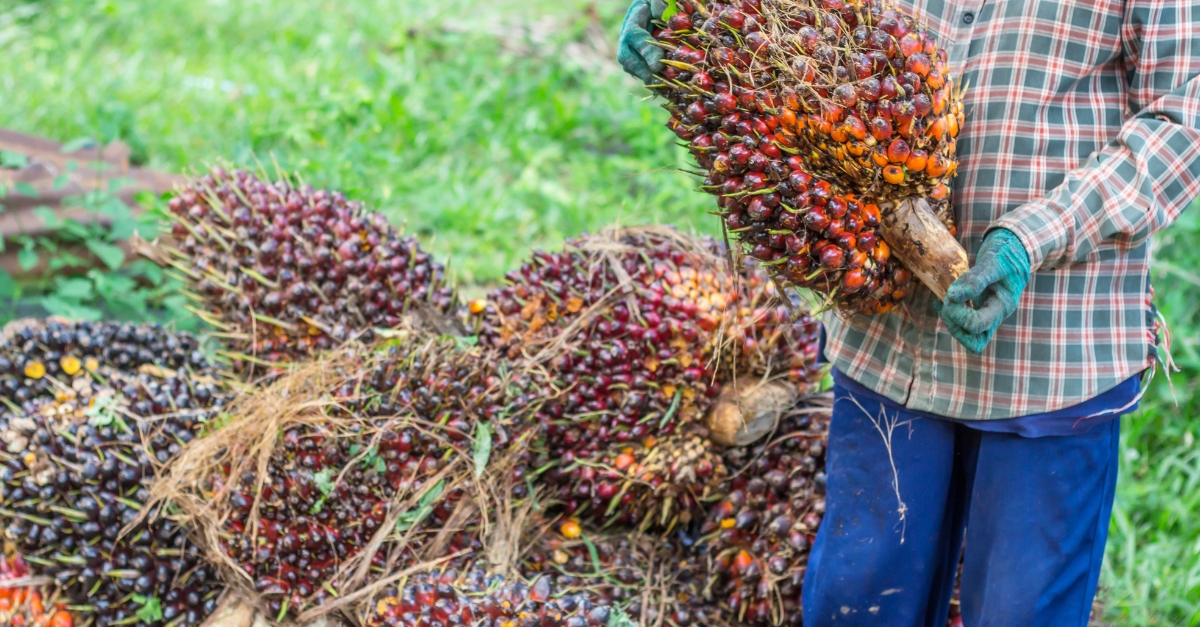
Palm oil went the other way. BMD crude palm oil edged up to $1,114/mt, supported by strong Malaysian exports, up 10.5% in the first 25 days of June, and by GAPKI data showing Indonesian production at a multi-year high for January through April. Indonesia also confirmed fuel retailers have three months to clear B40 stocks before shifting to a 50% palm-based biodiesel blend on October 1.
Soybean oil was the soft spot: CBOT slipped to 69 cents/lb from 71.15 on the Brent decline and expectations of larger US stocks, while Argentina crushed a record volume of soybean oil in May.
In Europe, the heatwave is doing the opposite. Crop worries are offsetting lower energy prices, with temperatures above 40°C recorded across Spain, France, Italy and parts of the Balkans. The EU Commission cut its 2026 rapeseed crop projection to 19.8 mmt from 20.9 mmt in May, now below last year’s output, which helped rapeseed oil find support. Sunflower oil firmed on the nearby too, with EU supply tight on poor crush and slower Ukrainian flows, while deferred positions eased on expectations of a much bigger harvest, provided the heat does not get to the crop first.
Coconut oil kept easing, at a slower pace, and palm kernel oil rebounded on palm strength. Vesper’s full analysis maps the quarter-by-quarter outlook for each oil into 2027, including where the El Niño and biodiesel policy risks sit.