

The International Sugar Organization published its first estimate for the 2026/27 crop year this week, projecting a global sugar deficit of 262,000 tonnes. The figure provides a directional signal that the market is transitioning from surplus to shortfall, but the range of forecasts is the real story. Datagro puts the deficit at 3.17 million tonnes. The uncertainty between those two numbers is wide enough to create a significantly volatile market through the coming season.
NY11 raw sugar futures (July 2026 contract) ended the week roughly 1% higher at 15.01 cents per pound. London white sugar (August 2026) gained 0.9% to close at $441 per tonne. The current 2025/26 surplus, estimated by the ISO at 2.2 million tonnes, is still preventing major short-term upside. Funds remain net short on NY11, selling a further 6,637 lots in the week to May 12, bringing the net short to 109,085 lots. Delegates at the recent NY Sugar Week reportedly skewed more bullish than current price action reflects.
El Nino adds an independent source of potential upside. NOAA now puts an 82% probability on El Nino conditions developing by July, with a 37 to 40% chance of a super event by year-end. India’s monsoon is expected to arrive slightly early on May 26 but may underperform on total rainfall if El Nino strengthens. India has banned sugar exports for the remainder of the 2025/26 season.
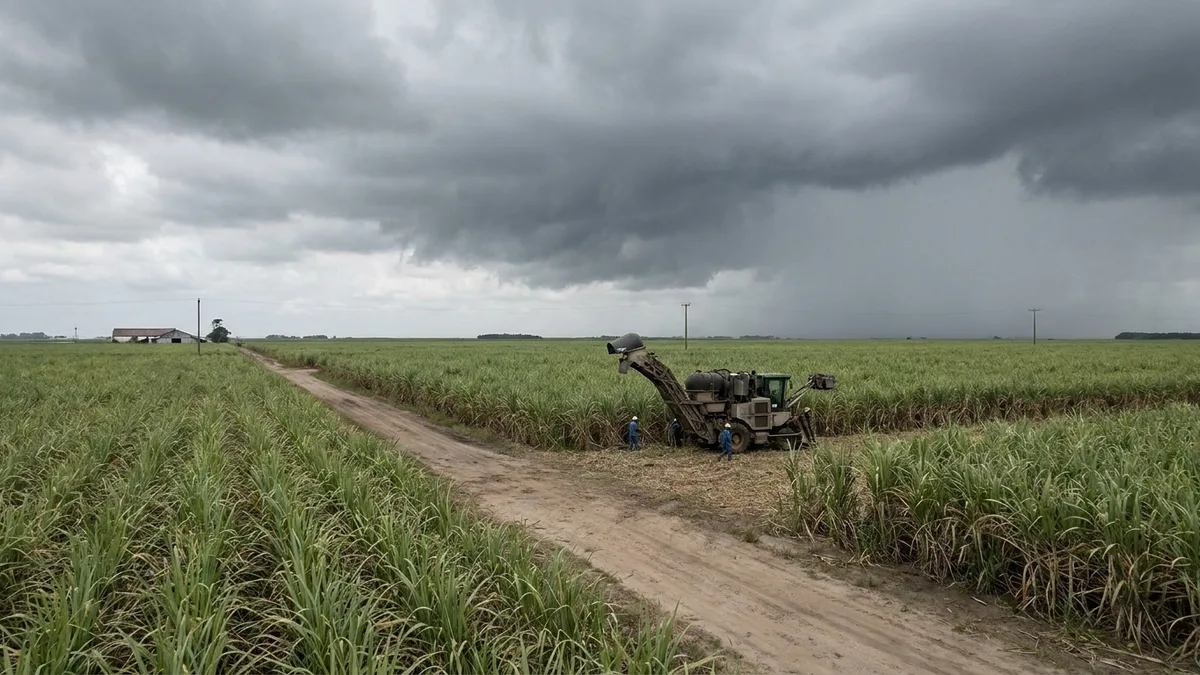
Brazil is the key variable. The market anticipates a large cane crop of 630 to 650 million tonnes for 2026/27, with sugar mix estimates at 47 to 48%. The hydrous ethanol parity has started to favour sugar diversion from cane. In Europe, beet sowing is nearly complete but German planted area declined 12.6% year-on-year. USDA projects US sugar production at multi-year lows for 2026/27, with Florida cane losing 75 days of growth in February’s freeze.
For the full sugar market analysis, visit: https://app.vespertool.com/market-analysis/3013