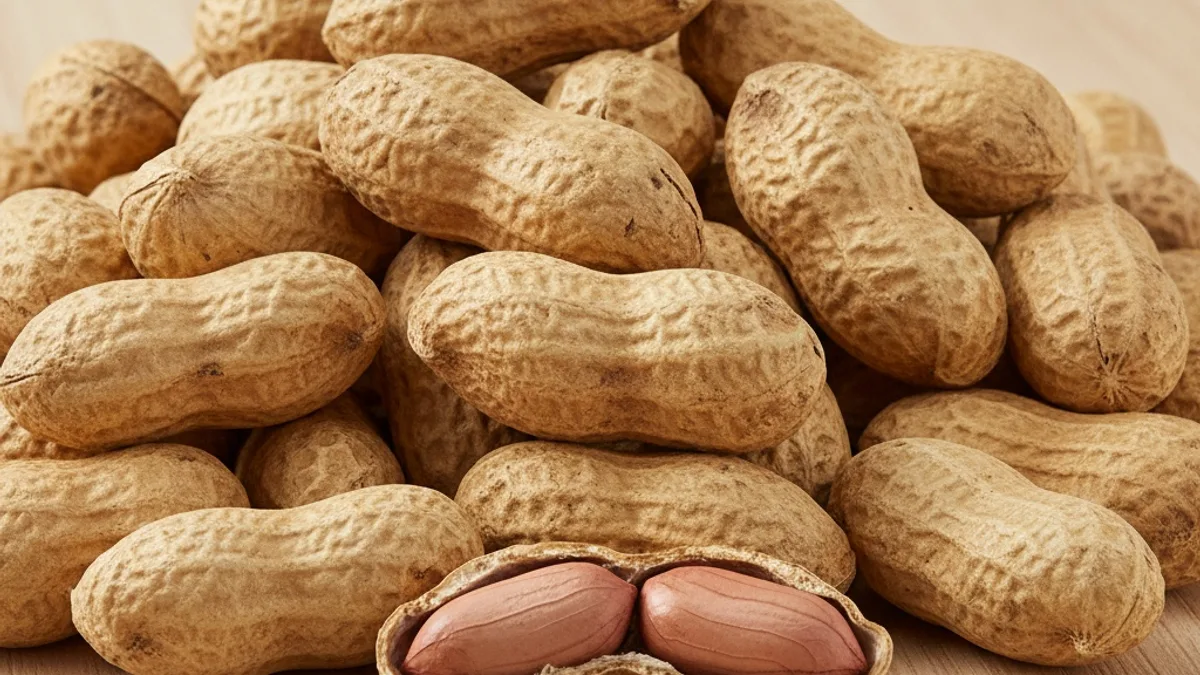


USDA’s June 30 Acreage report confirmed what the peanut trade suspected, and then some: US plantings are down 21.8% from last year, at the top end of the expected decline, with Texas down almost 37%. After a 3.5 million ton crop in 2025, Alimenta Agri LLC estimates 2026 production could land near 2.7 to 2.95 million farmer stock tons depending on yields.
Alimenta’s read is that current prices, which have climbed from the high 40s to the mid-to-high 50s in cents per pound, are pricing perfect growing and harvesting conditions. Anything short of that, and prices go higher in a hurry. Shellers are holding remaining current-crop supply rather than selling, while manufacturers appear covered through year-end and remain skeptical of the tight scenario.
The international picture is tightening too. Argentina’s harvest is running very late, roughly 60% complete at the end of June after wet weather, which points to field and quality losses, and prices for Argentine blanched peanuts have moved sharply higher in recent weeks. Brazil is in a multi-year contraction, with area falling from about 350,000 hectares at the 2024/25 peak toward roughly 190,000 hectares for 2026/27, as costs near double their 2020 levels leave many growers below breakeven. China’s plantings look flat, and Alimenta sees international prices with only one way to go: up.
The full report covers the US supply and demand puzzle, origin-by-origin field conditions, and trade flows.
For more insights into the global peanut market, explore Vesper for free.