The rapid rise of GLP-1 weight-loss medications like Ozempic, Wegovy, Mounjaro and others is not just a health story, it’s increasingly a food system and agricultural story. Originally developed for diabetes treatment, GLP-1 drugs curb appetite and change eating preferences. That shift in consumption patterns is already starting to affect demand for key agricultural commodities and could reshape crop and livestock markets in the years ahead.
What are GLP-1 drugs and how do they change eating habits?
GLP-1 (glucagon-like peptide-1) receptor agonists mimic a gut hormone that signals satiety, so people feel full sooner and eat fewer calories. This has proven effective in weight reduction and is now widely adopted for weight-loss purposes. As a result, many users eat less overall, particularly reducing consumption of energy-dense processed foods, sugary drinks, refined grains and red meat. At the same time, there is evidence that GLP-1 users often show increased consumption of single-ingredient and nutrient-dense foods like fruits, vegetables and water.
1. Grain markets: corn & soybean demand could shift
Corn and soybeans dominate U.S. and global grain production because they are the main inputs for livestock feed, especially for beef and pork. If GLP-1 users continue reducing red meat consumption and favouring leaner proteins or plant-based options, demand for grain-based feed could moderate. Some analysts suggest that appetite suppression from GLP-1s could reduce demand for grain-heavy livestock feed and prompt a shift toward more efficient, nutrient-focused feed blends.
This doesn’t mean corn and soybeans will disappear from feed rations, but feed industry demand growth could flatten, potentially influencing planted acreage decisions and pricing dynamics over time.
2. Sugar markets: downward pressure from reduced sweet food demand
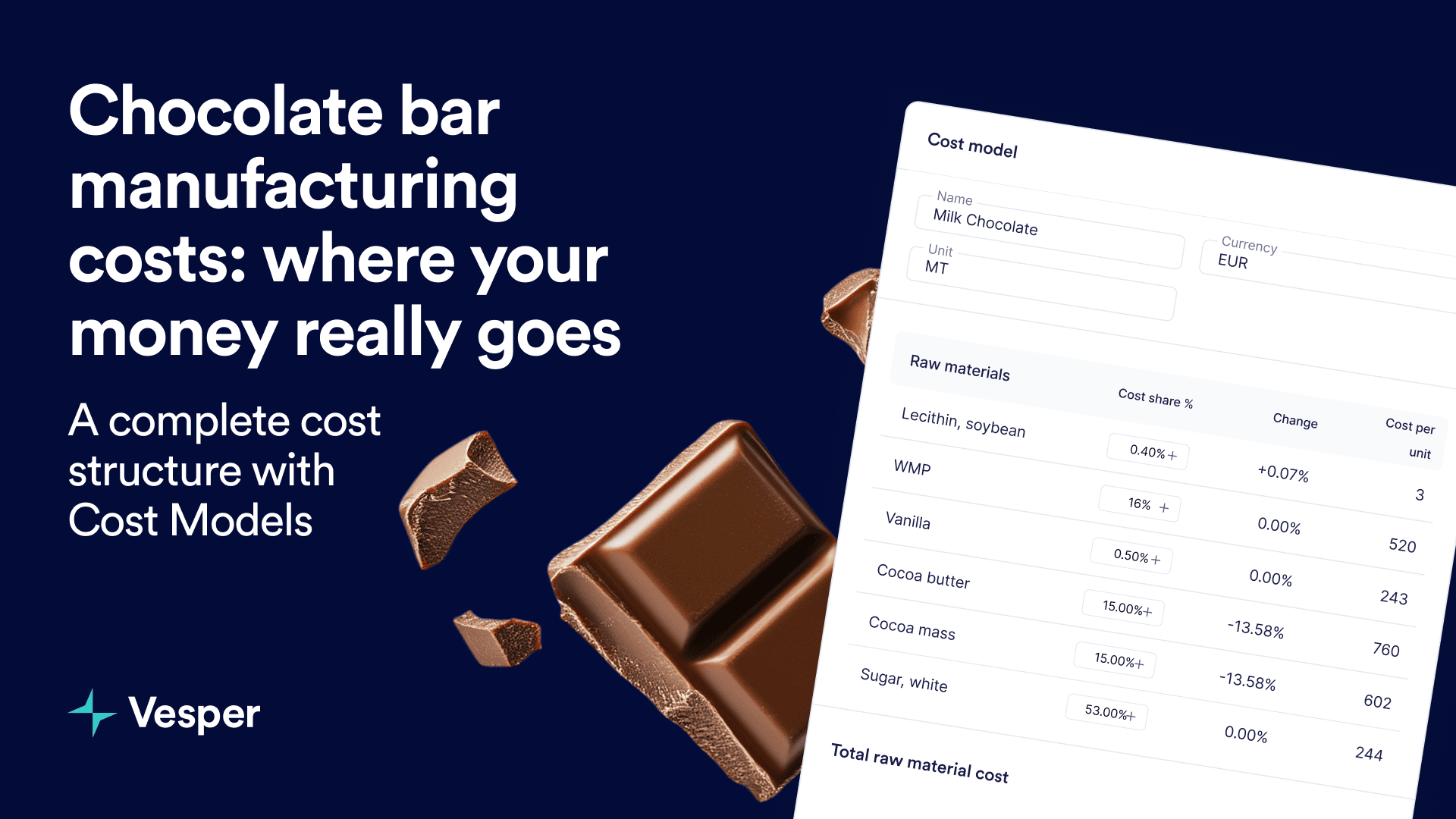
One of the clearest early signals of GLP-1’s impact has appeared in global sugar markets. With appetite and cravings for sweets dampened, consumption of sugary foods and beverages has fallen. Recent reporting indicates that global sugar prices dropped to a five-year low, with analysts linking this in part to reduced sugar demand from consumers using appetite-suppressing drugs.
If this pattern persists, it may contribute to softer sugar markets, in addition to longer-term structural trends like alternative sweetener adoption and health-driven dietary shifts.
3. Livestock commodities: beef and pork demand may soften
Across multiple consumer studies, GLP-1 users report eating less high-fat meat, including beef and pork, compared to before taking medication. Surveys show users consuming fewer processed foods and sugar-sweetened beverages, with broader reductions in some meat categories.
Because beef production is one of the most resource-intensive agricultural activities, requiring high volumes of grain and feed, a sustained drop in beef demand could have downstream effects on:
- Corn and soybean feed demand
- Cattle and hog futures pricing
- Livestock feed mill utilisation
- Land use decisions for pasture vs crop production
As GLP-1 adoption grows, these shifts may become more pronounced, especially if demand for leaner proteins like poultry or plant proteins grows alongside.
4. Fruit & vegetable demand: increasing appetite for fresh produce
Studies suggest individuals using GLP-1 drugs often increase consumption of fruits, leafy greens and water. One analysis found that GLP-1 users consumed significantly more plant-based foods while reducing intake of sugary drinks and alcohol.
This implies potential upside for:
- Fruit commodity markets (apples, berries, citrus)
- Vegetable markets (greens, tomatoes, peppers)
- Local and regional produce supply chains
Greater demand for fresh produce could encourage farmers to reallocate acreage from commodity row crops to higher-value fruits and vegetables, with implications for labour, irrigation needs, and logistics.
5. Dairy and high-protein commodities: spot demand trends
The clearest measurable shift so far has appeared in high-protein dairy markets. GLP-1 users are often advised to maintain elevated protein intake to preserve lean muscle mass during weight loss. Food manufacturers have responded by increasing protein density in beverages, snacks and clinical nutrition products.
What this means for commodity markets
The rise of GLP-1 consumption is not a short-term fad; it reflects broader shifts in dietary preferences, health policy and consumer behaviour. Commodity markets are sensitive to such patterns, even before mass adoption reaches saturation. Key takeaways include:
- Grain demand may moderate if livestock feed demand softens.
- Sugar markets could see continued downward pressure as sweet food consumption declines.
- Fruit and vegetable demand may strengthen, encouraging adjustments in crop planning.
- Livestock producers may feel shifting demand toward lean proteins and away from high-grain systems.
- Dairy and high-protein inputs may benefit from sustained protein prioritisation.
As GLP-1 use expands globally, these agricultural trends will likely continue evolving, presenting both challenges and opportunities across the commodity landscape.