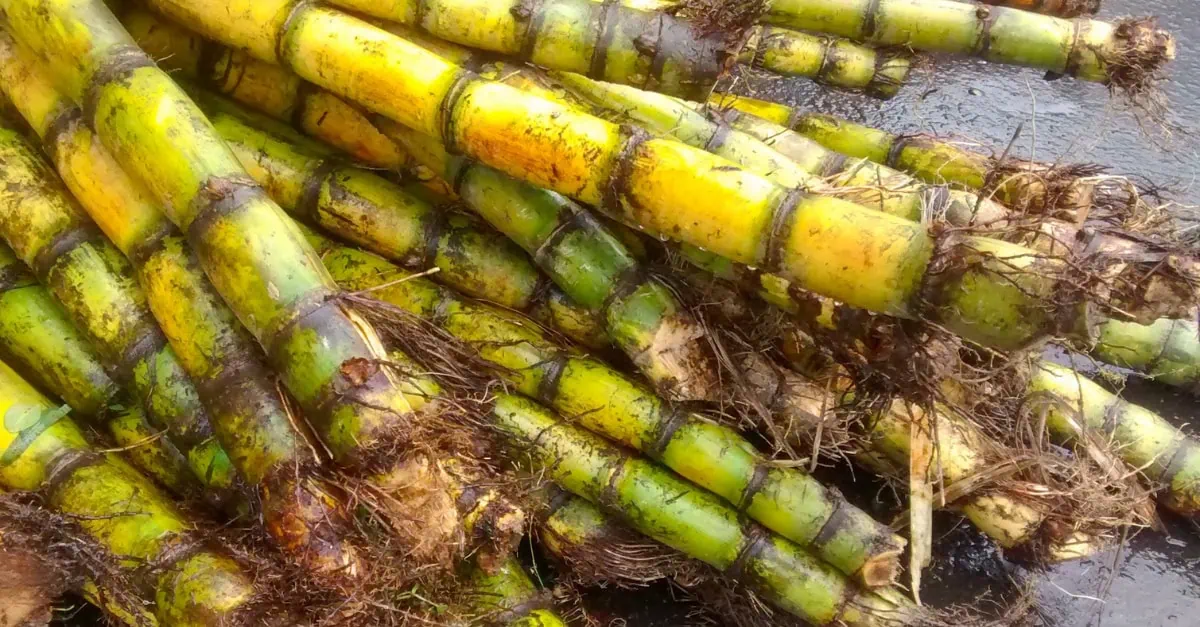

Crude oil briefly touched $100/barrel following the closure of the Strait of Hormuz, a move that would normally push ethanol economics higher and redirect Brazilian cane away from sugar production. Instead, sugar prices have barely responded, with Sugar No. 11 edging up to just $14.45/lb.
The reason lies in Brazil’s domestic fuel pricing policy, which is running around 38% below international parity. This effectively blunts the transmission mechanism between energy prices and mill mix decisions, leaving the market unable to price in the supply shift that would ordinarily follow an oil price spike of this magnitude.
A market weighed down by surplus
The muted reaction to crude is not just a Brazil story. At the structural level, global sugar production continues to grow at roughly twice the pace of consumption, helping explain why repeated bouts of geopolitical stress and energy price spikes have failed to generate a sustained price rally. Speculative funds remain heavily net short, a position seen as vulnerable to short-covering if a credible bullish catalyst emerges.
The 2025/26 surplus is well-established across forecasters. EU stocks are at their highest level for the corresponding period over the last three seasons, while India’s export execution continues to lag well behind its authorised quota.
What could change the picture
The rebalancing case for 2026/27 rests on EU acreage reductions of around 5%, a tighter Brazilian allocation and constrained Indian exports. Each of these carries execution risk. A growing El Niño probability from the second half of 2026 adds a further layer of uncertainty, particularly for India and Thailand where monsoon performance will be central to how the supply picture evolves.
For Brazil specifically, the key variable to watch is any forced realignment of domestic gasoline prices toward international parity. If that happens, the ethanol signal would reassert itself and mill mix decisions could shift quickly.
For the full sugar market analysis, visit: https://app.vespertool.com/market-analysis/2809