
Whey protein concentrate prices continued climbing in late January, with EU WPC80 instant reaching €14,320 per tonne and US prices at €15,067 per tonne as manufacturers sold out volumes and demand exceeded available supply.
Global WPC80 markets remained extremely tight as suppliers across regions reported selling substantial volumes while demand continued. Producers reached a stage where they could request prices as high as desired, with some quotes reaching €15,000 per tonne in Europe.
US production increased 19.22% year-over-year in November due to expanded capacity, but output remained insufficient to meet demand. The structural shortage stems from limited ultrafiltration capacity to process whey into WPC, even as cheese production generates adequate whey volumes.
Whey protein isolate prices also increased, with EU WPI instant at €23,250 per tonne and US prices at €22,233 per tonne. Producers sold out WPI inventory, allowing them to request prices above €23,000 per tonne in Europe and $12 per pound in the United States.
The price pressure triggered shifts in buyer behavior. Reformulations to milk protein concentrate became more common where possible, and buyers expressed concern about shrinking margins at current price levels. Some manufacturers indicated they may need to reconsider product pricing strategies.
Sweet whey powder prices showed divergent movements, with EU food-grade SWP increasing to €1,150 per tonne while US food-grade SWP decreased to €1,249 per tonne. Expensive whey concentrate priced at approximately €800 per tonne continued providing floor support for SWP across both regions.
Lactose markets moved higher, with EU 100-mesh food-grade reaching €1,240 per tonne and US prices at €1,010 per tonne. Demand remained strong due to increased lactose requirements for SMP standardization and infant formula reproduction following recent recalls caused by ARA oil contamination.
Whey permeate remained oversupplied as WPC80 and WPI manufacturing operated at maximum capacity. EU whey permeate held at €740 per tonne while US food-grade permeate decreased to €496 per tonne. The discount compared to lactose reached high levels, though limited lactose production capacity prevented significant demand shifts.
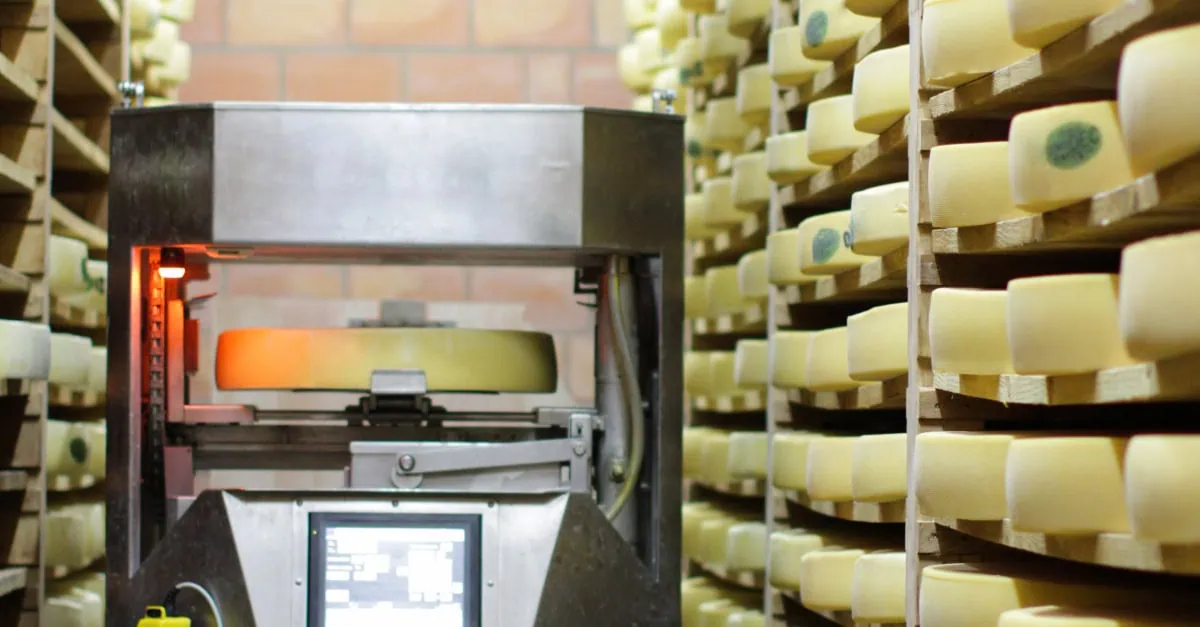
Cheese production running higher year-over-year globally generated good whey volumes, though some production shifted back toward cheese as both cheese and whey markets maintained strong pricing. The first and second quarters are expected to see substantial cheese production, but the lack of ultrafiltration capacity will keep whey protein markets tight.
The outlook for the first half of 2026 remains firm as demand continues exceeding supply. Prices are expected to increase until demand begins to moderate, though manufacturers noted this appears hypothetical given current market conditions. WPI shows no indication of lower prices in coming months despite some market panic dissipating.
This newsarticle is part of a more comprehensive whey market analysis, for the full analysis, visit: https://app.vespertool.com/market-analysis/2639?commodity=dairy