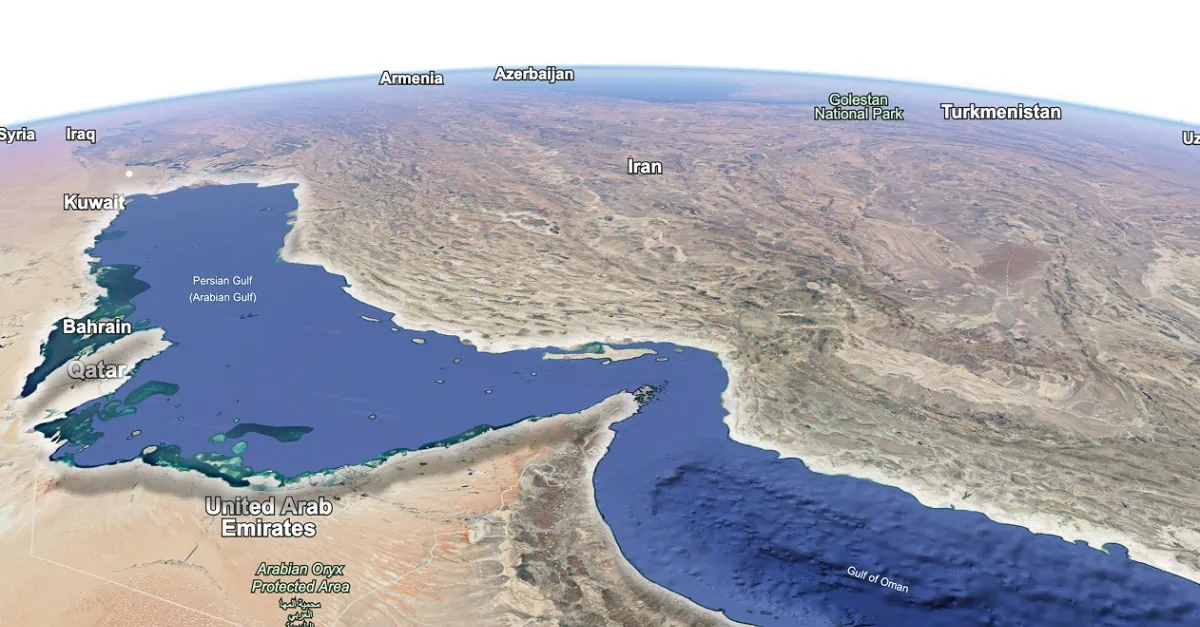

Recent geopolitical escalation around the Strait of Hormuz has not yet removed material oil production capacity from the global system. The disruption is logistical rather than volumetric. The issue is not missing barrels, but uncertainty around deliverability.
The situation can be characterized as a “logistics shock, not a volume shock.” Production remains largely intact. However, insurance availability, war-risk pricing, and route feasibility have shifted a core transit corridor into a commercially uncertain operating environment. As a result, the market is responding to risks around arrival reliability rather than physical supply loss.
Recent developments (update – March 2–3, 2026)
- Vessel traffic through the Strait of Hormuz has fallen sharply, with reported transits down more than 80% compared with the prior week. Numerous tankers and commercial vessels are anchored or holding position outside the strait rather than transiting.
- Around 150 commercial vessels, including oil and LNG tankers, have been reported anchored or stranded in or near the Gulf region.
- Multiple tankers have been damaged in reported drone and missile attacks in the Strait of Hormuz and surrounding waters. At least one crew fatality has been reported.
- Iran’s Islamic Revolutionary Guard Corps (IRGC) has publicly declared the Strait of Hormuz closed and has threatened to attack vessels attempting to transit.
- Marine insurers, including major war-risk underwriters, have announced cancellation of war-risk coverage for vessels operating in the Gulf and Strait of Hormuz region, with cancellations taking effect in early March.
- Oil prices have risen sharply in response to the disruption, with major benchmarks recording significant gains following the escalation.
A commercial constraint rather than a legal closure
No formal blockade of the Strait of Hormuz has been declared. The constraint is commercial. War-risk cover for voyages transiting the Gulf and Hormuz has been restricted or repriced on materially tighter terms. Owners and charterers are reassessing liability allocation, clause protection, and voyage feasibility.
Several operators have paused Gulf exposure. Vessels have been observed waiting at anchor on both sides of the Strait. The immediate effect is hesitation in chartering activity rather than halted production.
The Persian Gulf export system is geographically compressed. A significant share of globally traded crude oil and refined products exits through a single maritime corridor. The issue is therefore evacuation reliability, not production capacity.
Shipping as a sequencing business
Shipping functions on predictable arrival windows. Refiners and traders manage operations around expected delivery timing. When transit reliability is questioned, behavior adjusts before physical shortages appear.
The first-order impact is hesitation in chartering and a temporary distortion in apparent vessel availability. This can initially resemble list-lengthening or a softer freight tone, not because the market is oversupplied with ships, but because decision-making is deferred.
That pause cannot persist indefinitely. Refinery runs, delivery programs, and contractual windows continue. Inventories provide time but not resolution. As stock cover declines, charterers re-enter the market in overlapping waves to restore logistics security.
This synchronization marks the turning point. Coverage deteriorates quickly. Acceptable tonnage becomes scarce. Freight adjusts rapidly as the market shifts from discretionary chartering to necessary chartering.
Clean tankers first, crude later
Refined products are less substitutable and depend on regular replenishment. As a result, shipping sensitivity should emerge first in clean tanker demand. Early tightening is expected in regional MR utilization, with LR strength emerging as replacement sourcing shifts into longer-haul movements.
Crude responds more gradually. Refiners typically hold larger feedstock buffers and have greater slate flexibility. Over time, however, route lengthening and ton-mile expansion raise crude tanker utilization as trade patterns reorganize.
The crude impulse is therefore structural rather than immediate.
Route lengthening and effective fleet contraction
If disruption persists over a period of one to six months, the system adjusts physically. Participants prioritize reliability over shortest-route efficiency. Routing buffers widen, ballasting patterns shift, and replacement sourcing expands geographically.
Even if volumes transported remain unchanged, longer voyages increase ton-mile demand and absorb fleet capacity. The freight effect becomes structural: longer voyages and constrained positioning tighten utilization without requiring a sustained loss of production.
With vessels waiting inside or avoiding the Persian Gulf, the effective global tanker fleet contracts. Ships unable or unwilling to transit are temporarily removed from the trading system. The result is higher utilization rather than higher absolute demand.
If disruption continues, charterers may be forced to secure coverage regardless of freight levels. Refinery operations cannot easily pause, and avoiding shutdown becomes more important than transport cost. In that phase, freight rates are set by necessity rather than negotiation.
Trade flow adjustment and market fragmentation
If Gulf exports remain unreliable, buyers may seek alternative supply chains, including greater reliance on Atlantic Basin supply and increased importance of the US Gulf as a source of distillates. Competition may intensify among deficit regions.
Higher earnings in core petroleum trades may attract swing tonnage from adjacent sectors such as chemical, biofuel, and vegetable oil carriers where compatibility allows. Clean LR2 vessels may also shift into crude employment, tightening clean tanker availability further.
Persistent risk may fragment routing behavior. Some owners may continue using higher-risk corridors while others avoid them. Insurance terms, vessel acceptability, and flag considerations may increasingly influence pricing. This could create a two-tier freight market in which vessel characteristics matter as much as distance or cargo size.
Normalization of shipping conditions may lag military de-escalation. Once reliability is questioned, market participants require sustained safe transit before resuming standard routing patterns.
Sources
Reuters. (2026, March 2)
The Guardian. (2026, March 2)
The Jerusalem Post. (2026, March 2)
TRT World. (2026, March 2)
WKZO. (2026, March 3)