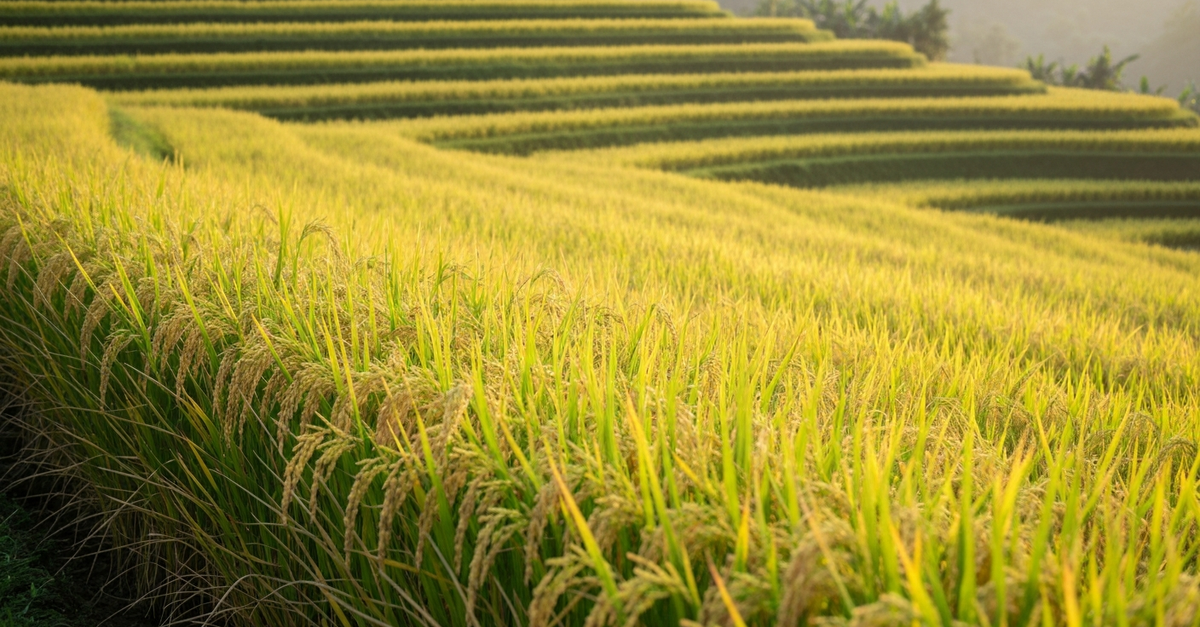

The arrival of new Sathi paddy reset India’s basmati rice market in early June. May had ended with exporters finding confidence and mills refusing to offer cheap old stock. Then Sathi paddy started reaching mandis across western Uttar Pradesh and Uttarakhand, and old rice had to reprice. According to Vesper’s latest biweekly report, old basmati did not collapse. It bent, and that distinction matters.
Sowing in the Sathi belts was reported about 17 percent higher than last year, with both quality and quantity described as better, and arrivals of roughly 1,000 to 1,200 bags per mandi. That was enough to knock old 1509 Sela and 1401 Steam quotes lower immediately. It was not enough to rebuild old paddy stocks, which are nearly absent with the next main crop still months away. Traders began talking about a temporary downside of a few dollars per quintal in old basmati if Sathi pressure builds, framing it as a cash-and-arrival correction rather than a change in the season’s structure.
Demand carried its own complication. Exporters had bought old rice earlier, but renewed conflict involving Iran, Israel and the United States raised loading risk again, and some previously purchased export rice was reported stuck at Indian ports. Domestic demand stayed slow on tight cash.
The policy development came from China. APEDA was reported to have prepared a new standard operating procedure for rice exports to China after Chinese rejection of non-basmati consignments over alleged GMO presence, applying to applications received on or after June 9. The same trade note stressed India’s non-GMO position and the case for diversifying toward China, the Philippines and Indonesia as some African markets slow.
Vesper’s near-term view is that old basmati can stay under pressure for another 15 to 20 days while Sathi arrivals build, but this is not a structural bear market: old stocks are thin, and the premium floor holds.
For real-time rice prices and rice price forecasts, visit: app.vespertool.com.