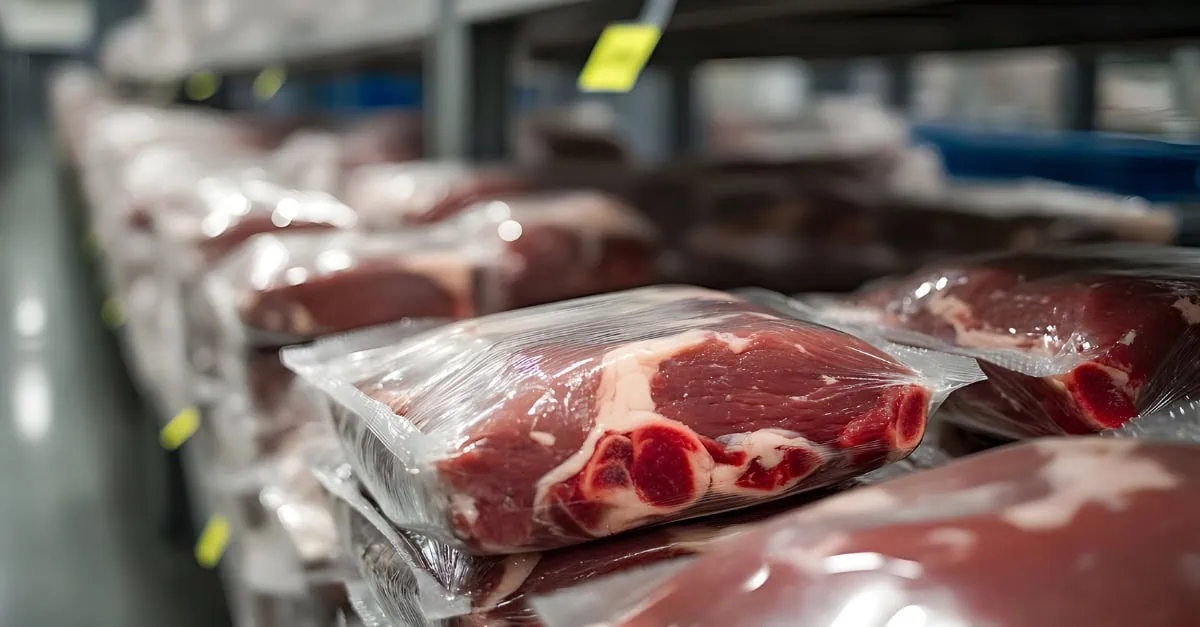

Australian beef exports continued their strong start to 2026 in February, supported by tight US cattle supply and competitive Australian prices in global markets.
Total shipments reached 130,884 tonnes during the month, 11% higher than February last year and 60% above the five-year February average. The result extends the pattern seen in the opening months of the year, with export volumes running well above typical seasonal levels.
Price competitiveness has been a key factor. Australian cattle prices are currently about 42% below comparable US cattle values, helping Australian beef remain attractive in major markets including the United States, China, Japan and South Korea.
The United States remained the largest destination during February, importing 39,949 tonnes of Australian beef. Shipments to the US were 14% higher than the same month last year and 130% above the five-year February average. The strong buying reflects tight domestic supply in the US, where the national cattle herd is near multi-decade lows and processors continue to rely on imported lean beef to supplement local production.
China was the second-largest destination with 27,018 tonnes shipped during the month. Exports to China were 26% higher than February last year and 85% above the five-year average, highlighting continued demand for Australian beef across a range of cuts.
However, the pace of imports is drawing attention to China’s beef safeguard quota. By the end of February, 41% of the annual quota had already been used, leaving 59% available for the remainder of the year. If imports continue at a similar pace, the quota could be reached well before the final quarter, triggering additional tariffs on beef imports.
Japan remained another key market, taking 20,026 tonnes of Australian beef during February. Shipments were broadly unchanged from the same month last year but still about 6% above the five-year February average. South Korea also maintained solid demand, importing 18,510 tonnes during the month.
Strong export demand is occurring alongside early signals of a shift in Australia’s cattle cycle. The national female slaughter ratio averaged 53.1% in 2025, with the final quarter easing to 52.3%. While still above the historical rebuild threshold of around 47%, the decline suggests producers are beginning to slow female turnoff.
Periods of falling female slaughter ratios have historically preceded herd growth. The current trend indicates that the conditions required for herd rebuilding are beginning to form, even if the national herd has not yet entered a rebuild phase.
For the full beef market analysis for the month March, visit: https://app.vespertool.com/market-analysis/2786