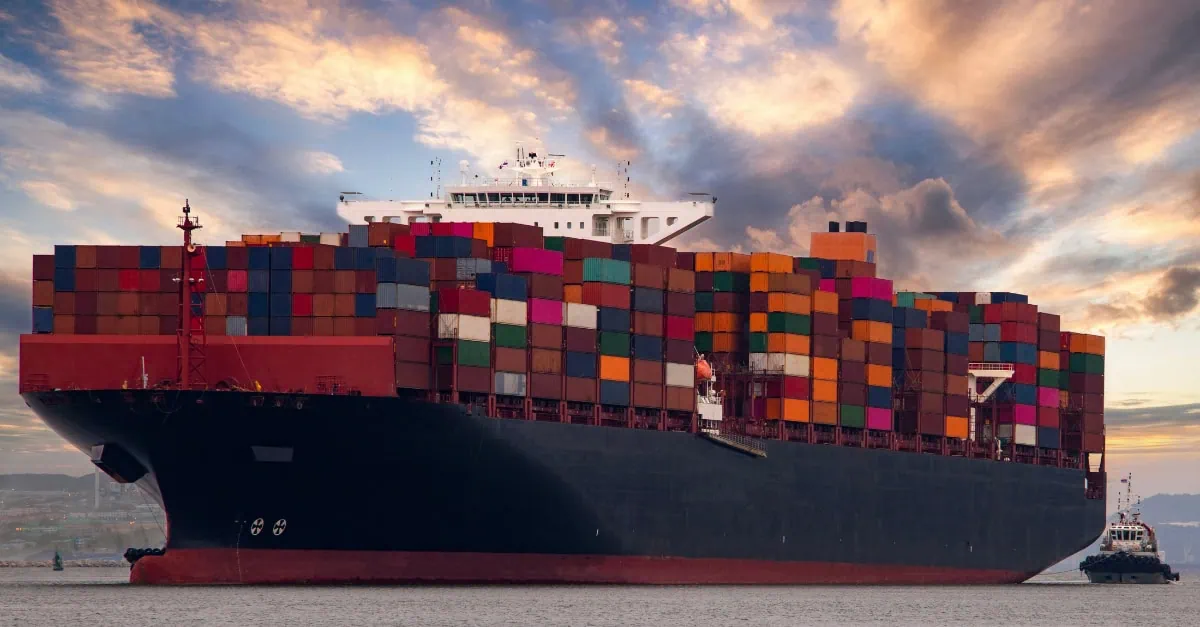
Escalating tensions in the Middle East and reports of restricted commercial maritime movement through the Strait of Hormuz have raised questions about broader commodity impacts. Brent crude oil has already moved significantly higher, and several sources confirm that shipping through one of the world’s most critical energy chokepoints has been halted or severely restricted.
While the immediate focus is on oil and gas markets, the key question for agricultural markets is: what does this mean for food commodities?
At present, assessing the situation with certainty is very difficult. The impact on energy prices will depend heavily on:
- The duration of any Strait of Hormuz closure
- The extent of oil and gas production shut-ins
- Potential damage to regional energy infrastructure
For food commodities, the primary impact is indirect, and largely driven by energy.
The main transmission channel: Energy pricing
For agricultural markets, the main price impact from the conflict comes through energy pricing. Higher oil and gas prices influence food commodities in several ways.
1. Crops used as fuel feedstock
Certain agricultural commodities are sensitive to energy markets because they can be used in fuel production.
Price relationships, particularly spreads versus energy products, can influence sentiment and positioning. A key example is:
- Palm oil versus gasoil spreads
When energy prices rise sharply, these relationships can shift and affect vegetable oil markets through biofuel economics and speculative flows.
2. Fertilizer prices
Fertilizer markets are highly exposed to natural gas, which is a core feedstock in nitrogen production.
Impacts may arise from:
- Higher natural gas prices
- The Gulf’s role as a major energy and fertilizer-producing region
If gas prices rise materially, fertilizer costs increase, which can feed into agricultural production costs globally.
3. Higher freight costs and shipping disruption
Commercial maritime disruption in the Strait of Hormuz creates broader logistical effects:
- Higher freight costs
- Spillover into other routes
- General supply chain disruption
Longer transit times, potentially rerouting via the Cape of Good Hope, increase voyage duration and costs. Even if agricultural supply itself is not directly disrupted, delivered pricing can rise due to logistics.
4. Risk-off sentiment and market volatility
Higher oil prices and increased volatility can affect agricultural markets independently of fundamentals.
Periods of geopolitical stress often trigger:
- Risk-off positioning
- Reduced speculative appetite
- Broad commodity price weakness
This can weigh on food commodity prices even when underlying supply-demand balances remain unchanged.
5. USD strength and currency effects
In times of market stress, capital tends to move toward the US dollar.
A stronger USD, particularly versus the euro, typically creates:
- Downward pressure on USD-denominated commodities
- Broader weakness across agricultural futures
This currency channel is often an important secondary driver during geopolitical events.
Energy market risk scenarios
The broader impact on food commodities ultimately depends on how energy markets evolve.
Crude Oil
There is a risk that a longer-term closure of the Strait of Hormuz could keep crude oil prices elevated in the $80–90 per barrel range over the next six months, with potential to trade upwards of $100–120 per barrel if disruptions deepen.
European Gas (EU TTF)
For EU TTF gas, there is a risk that prices could return to 2022 levels of €200/MWh or higher (these would likely be spot highs rather than sustained levels).
Europe would need to compete with Asia for spot LNG cargoes. Qatar is the world’s second-largest LNG supplier and a major supplier to China. Any disruption to infrastructure or flows to Asia would be significant.
For European power markets, French nuclear capacity is helping to reduce some pressure, but exposure to spot EU power markets remains something to monitor.
The larger structural risk: Infrastructure damage
The more serious risk to global energy markets is not necessarily a temporary closure of the Strait of Hormuz, which may already be partially priced into markets, but the possibility of major infrastructure damage.
If energy infrastructure were significantly damaged:
- Oil, oil products, and gas markets could remain structurally tighter
- Gas markets in Europe could face prolonged pressure
- Europe would need sufficiently high pricing to ensure winter storage refilling from summer onward
Such a scenario could take many months to resolve.
Longer-term macro implications for food commodities
Looking beyond the immediate disruption, six months and longerm, sustained higher oil and gas prices would likely:
- Trim global demand
- Increase inflationary pressures
- Delay interest rate cuts in the US and Europe
Higher inflation and delayed rate easing could create a weaker pricing environment for food commodities. Demand recoveries in markets such as cocoa, for example, could stall under tighter financial conditions.
Conclusion
For food commodities, the impact of Middle East conflict and potential Strait of Hormuz disruption is primarily indirect and driven through energy markets.
The key channels are:
- Energy-linked crop pricing (e.g., palm oil vs gasoil)
- Fertilizer exposure to natural gas
- Freight cost increases and logistics disruption
- Risk-off market behavior
- USD strength
The scale and duration of these effects will ultimately depend on whether the situation remains a temporary shipping disruption or escalates into material energy infrastructure damage.
At present, uncertainty remains high, and energy markets will be the critical indicator to watch for broader food commodity implications.
Follow commodity prices in real-time here: https://app.vespertool.com/