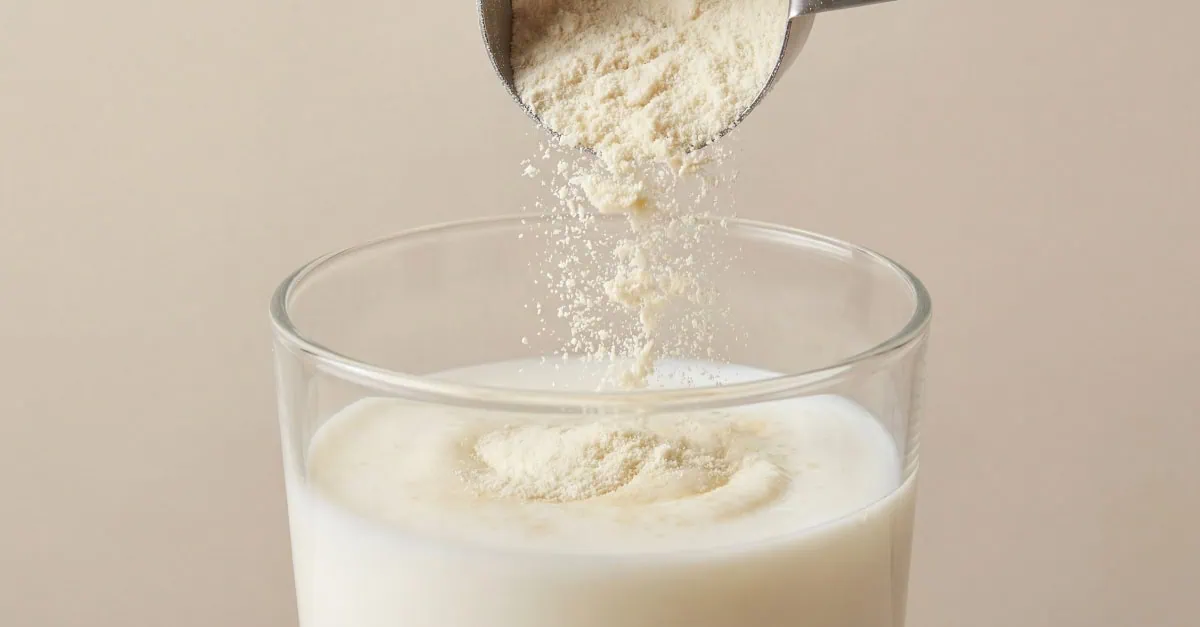

CME nonfat dry milk prices have jumped 30% over the past month as a short squeeze driven by low production volumes continues to push prices higher across U.S. dairy powder markets.
The rally was triggered by remarkably low November milk powder production in the United States. However, production recovered in December and stock levels improved at year-end, raising questions about whether current prices are overshooting the actual difference in fundamentals between early January and early February.
Price increases of this magnitude generally exceed the underlying changes in supply-demand conditions over such a short timeframe. The market appears to be pricing in uncertainties beyond the immediate production data.
Global markets turn bullish on powder
The bullish sentiment has spread beyond the United States, with European and Oceanian markets experiencing similar strength. High-priced offers continue being lifted, particularly on futures markets.
Stocks are lower than anticipated across regions, and several manufacturers are sold out for the first quarter. Sustained demand for protein products remains a key driver supporting elevated price levels.
Valorization shifts signal production changes
Valorization—the relative profitability of different milk processing streams—provides useful insight into where production is likely heading. When it becomes particularly favorable to run one combination over another, extra milk tends to flow in that direction.
The main processing options are straightforward. Milk can be processed into cheese, generating a whey stream that can become WPC/WPI or dry whey. Alternatively, milk can be separated into cream/butter plus a skim component that becomes NFDM, MPC, or UF depending on facility capabilities. Comparing combined returns across these routes indicates likely production shifts.
Byproduct dynamics have complicated the picture. The whey share is growing as a co-driver for cheese production because WPC and WPI prices have kept cheese plants running. For NFDM, the fat component experienced its own period of elevated prices, sustaining powder production even when skim economics alone wouldn’t have justified it for processors without MPC or UF capacity.
The result is that byproduct dynamics can exert a stronger effect on output than primary product supply-demand fundamentals would suggest.
Recent valorization patterns
Over the past year, large gaps have opened between production stream options. Sometimes these spreads correct quickly as milk shifts to more profitable routes. Other times they persist longer.
After butter’s sharp decline dragged NFDM valorization down, NFDM prices are now climbing rapidly again. Whether this signals where milk production is heading next or represents a temporary bounce remains to be determined.
Managing these dynamics requires understanding more than direct portfolio positions. Currency movements, global demand patterns, changing milk fundamentals, and the interplay between co-products all factor into production and pricing decisions. Tracking valorizations over time provides a useful lens for market analysis.
Market outlook
The current NFDM rally reflects tight stocks and strong protein demand, but the speed and magnitude of the 30% monthly increase suggests prices may be incorporating uncertainties beyond immediate fundamentals. With December production having recovered and year-end stock levels improving, the sustainability of current price levels depends on whether supply continues tightening or if the market has overshot near-term fundamentals.
This newsarticle is part of a more comprehensive US dairy market analysis. For the full analysis, visit: https://app.vespertool.com/market-analysis/2679.