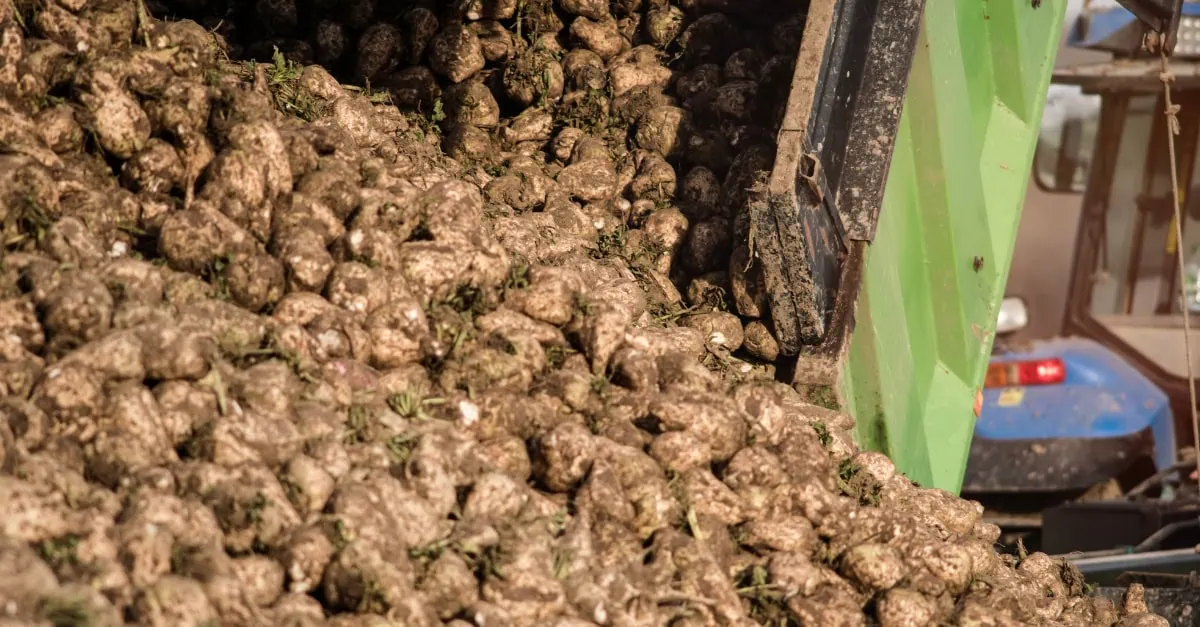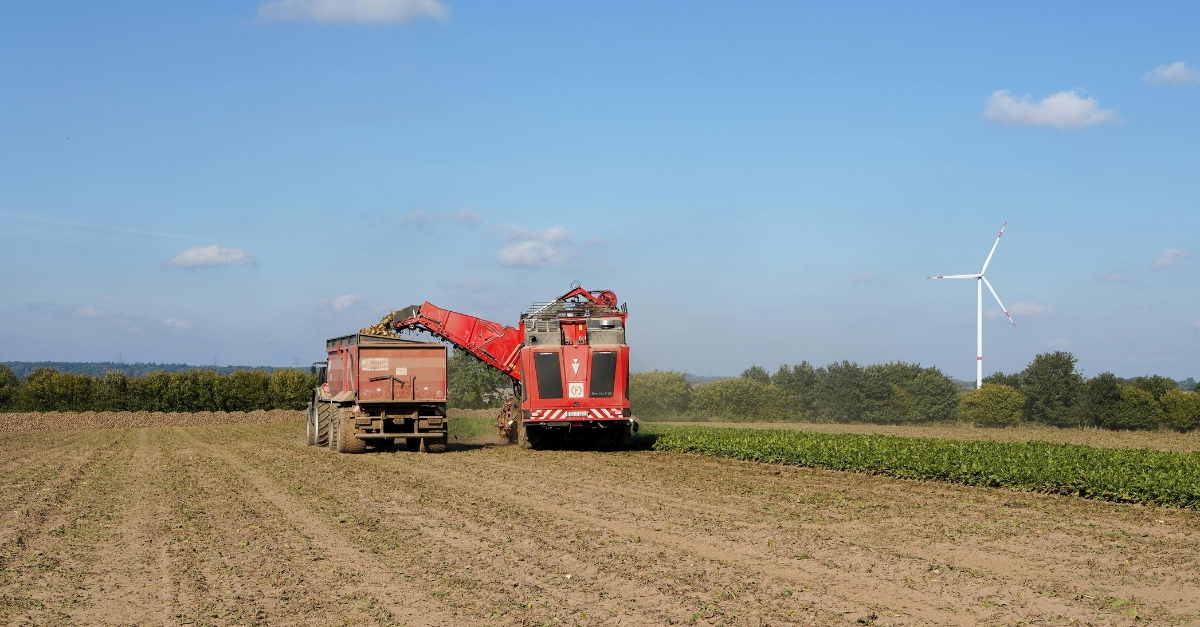

Conditions for beet drilling have been uneven across northern Europe this spring, adding uncertainty to the EU sugar supply outlook heading into the 2026/27 season.
France and the Netherlands see contrasting conditions
In France, some 93% of beet had been planted by March 23rd despite interruptions from heavy rainfall, though frosts and compacted soils will require a few hundred hectares to be resown. The Netherlands has faced a more difficult picture: Cosun had completed only 15% of its total area by March 25th, with full drilling not expected until mid-April.
Belgium and northern Germany are expected to have experienced similar conditions to the Netherlands given shared climatic patterns. Across Germany, temperatures were significantly above seasonal averages in parts of the south and east, with rainfall around 40% below average. In Poland, temperatures in March were 40% above average, with rainfall between 50% and 78% below average.
The lack of rainfall is a developing concern. While soil moisture levels are currently sufficient for germination, higher temperatures are accelerating evaporation and could put stress on crops if conditions do not improve in the coming weeks.
Area down an estimated 7% year on year
For the EU and UK combined, beet area is estimated to come in 7% below the 2025 season. This points to EU sugar and ethanol production in the range of 15.25 to 16.25 million tonnes for 2026/27, assuming ethanol production holds at around 1.1 million tonnes.
Trade activity remains quiet with stocks elevated
Market activity is subdued, with producers having pulled back from indicating prices for the 2026/27 crop given geopolitical uncertainty and the early stage of the season. According to EU management data, stocks as of January were 1.1 million tonnes higher than in the corresponding period last year.
Trade policy developments in focus
The EU-Mercosur FTA provisional application is due to begin in May. Separately, an EU-Australia FTA offers access to around 44,000 tonnes of Australian sugar, though actual shipments are considered unlikely given current global price differentials. The EU Commission is also expected to announce a suspension of Inward Processing Relief in the near term, with imports in the current marketing year set to reach at least 500,000 tonnes prior to any suspension.
The full EU sugar market analysis is available on Vesper: https://app.vespertool.com/market-analysis/2859