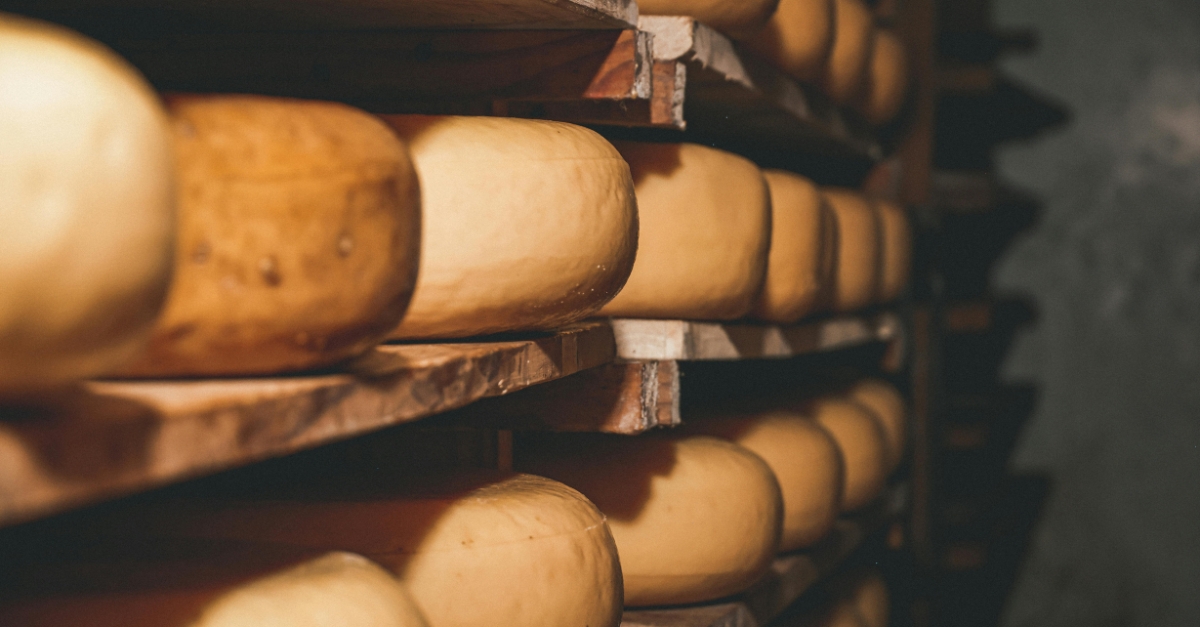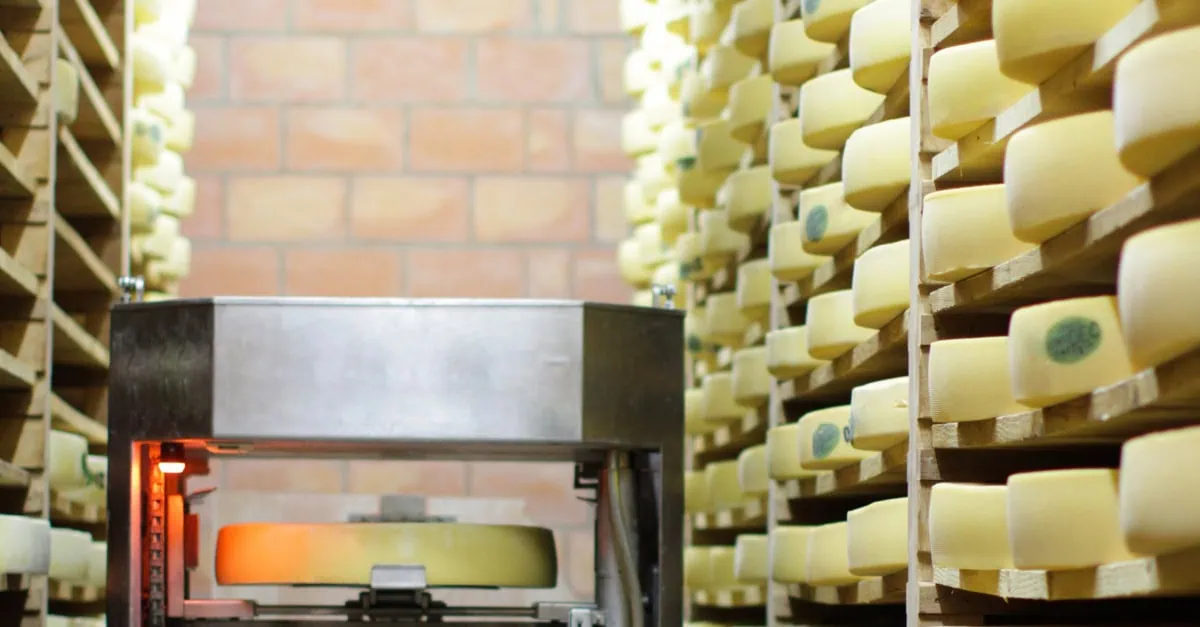

European cheese prices have moved higher over the past two weeks, but the rally has come in stops and starts. After a quiet stretch where Q2 coverage was already done and prices were drifting lower week-on-week, fresh demand for spot and Q3 volumes pulled prices up. The rebound didn’t last long. The Q3 premium over spot widened to roughly €200/mt and that was enough to send some buyers back to the sidelines, illustrating the on-and-off rhythm that has defined this market in recent months.
What it reveals is more important than the move itself. The cheese surplus the market has been pricing in is thinner than the production numbers alone would suggest. Whenever demand returns, prices firm quickly, and exports have been the release valve keeping stock builds in check. EU, US, and New Zealand are all running higher cheese exports year-to-date, with cheaper cheese finding willing consumers globally. US cheese exports in Q1 rose 23% year-on-year, driven by Mexico and especially South Korea.
The split across cheese types is wider than usual. Mozzarella has moved fastest in Europe, lifted by seasonal demand from pizza, salads, and fresh food applications, alongside a modest seasonal tightening in milk supply. Larger Q3 buyers re-entered the market and ran straight into a roughly €150/mt premium over spot, which slowed the price move but is unlikely to stop it given how quickly availability tightened.
Gouda has nudged higher too, supported by Q3 buying and a sharp jump in EU retail demand at lower price points. Production has been running full-out all year on record milk intake, but the age profile of delivered cheese has remained young, signalling that spot availability is not as comfortable as headline production might suggest.
Emmental’s premium over other cheeses has disappeared, which is its own story. Producers shifted output toward Gouda, and Emmental supply has fallen accordingly. Buyers are now covering Q3 in anticipation of that premium returning, but they are not yet paying for it.
Cheddar is the exception. Spot availability remains stronger in the US, UK, and parts of Europe, with high production keeping young curd plentiful. The forward curve is firmer than spot but still relatively cheap compared to other cheeses. In the US, growing Cheddar output is leaning on exports as the release valve to prevent stock accumulation.
Where this goes
The pattern repeats every time demand surfaces. With EU milk supply still at its seasonal peak, that pattern is manageable for now. Once milk supply starts to seasonally taper later in the year, the surplus that already looks slim will likely look slimmer, and the next round of Q3 demand could carry more momentum than buyers are currently willing to chase.
For the full cheese market analysis, visit: https://app.vespertool.com/market-analysis/2987