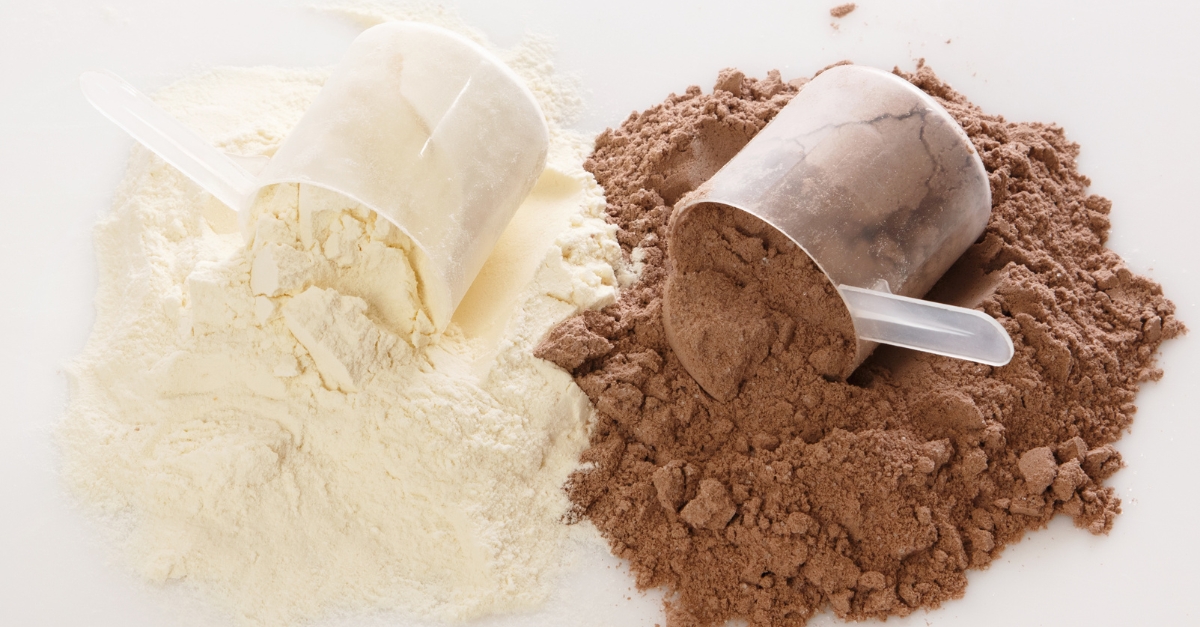

The global whey protein market opened the Q3 purchasing window at fresh highs, with WPC80 once again pushing the complex higher and prompting a clear reformulation trend across the industry.
Demand remains very strong even at historically high price levels, a point reinforced this week at the ADPI Conference, where participants were actively chasing spot volumes with little regard for price. The shortage of whey proteins has tightened further in recent weeks, with US WPC80 prices moving up swiftly and some sellers asking for very high levels.
Q3 opens tight
The first offered prices for Q3 in Europe have come in well above Q2 levels. A few buyers who have not been able to secure all the volumes they needed for Q2 are paying exceptionally high prices for spot loads, and many are looking to lock in Q3 earlier rather than later.
Fundamentally, the market is dealing with a global shortage of WPC80. Demand has grown exceptionally, while supply has grown only slightly. The structural deficit is expected to keep markets tight and prices high through 2026.
Reformulation gathers pace
The current price level of WPC80 has triggered every buyer and blender to look at alternatives. The math is straightforward: substituting MPC85 for WPC80 saves around €15 for every kilogram swapped out. Other high-protein ingredients including MPC, SMP, ultrafiltered milk, caseinates and even plant-based alternatives are all in play.
Some traditional whey products allow reformulations with up to 10 to 20% MPC substitution. Protein-enriched products are the main target of this shift, where MPC offers an interesting alternative to both WPC80 and WPI.
The pull is reshaping the milk protein market. MPC85 prices have moved up quickly in both Europe and the United States. EU and US MPC markets, which were quite balanced before, have been turned tight by the additional demand. MPC production is rising and capacity expansion is on the way, but today’s market is not large enough to absorb the spillover demand from the whey complex. In the US, MPC85 is diverging from its classic three-times multiplier on NFDM, with the sharply increasing NFDM prices feeding into very fast MPC moves.
WPI catches up
WPI is currently undervalued relative to WPC80 in both regions, and Q3 prices are running well above Q2 levels. Most European WPI is made-to-order, so EU WPI prices are likely to rise quickly for Q3 with spot prices lagging slightly. In the US, the increase is likely to be slower, given more constant overall production.
SWP also affected
European SWP markets have moved up considerably over the past three months. The pull of WPC80 on liquid whey is pushing whey concentrate prices higher, making whey powder production more expensive. Production has decreased while demand has nudged up slightly as buyers cover further ahead due to supply chain risks. US SWP availability is comparatively better thanks to the larger increase in cheese production, and the price gap has enabled a return of US exports to Asia. US dry whey production is up 9.75% year to date.
Outlook
There is no indication that the whey protein market is turning. The structural supply deficit persists and buyers are catching up on volumes, leaving prices expected to remain elevated or rise further. Reformulation is expected to be durable, which will keep MPC and other protein markets firm. WPI prices may make some sharp jumps in the coming weeks in adjustment to WPC80 levels. SWP markets are likely to stay supported in the US, while European SWP could ease once today’s heat is out of the market.